How Brands Use Events to Build Loyalty
6/01/2026
By Lily McDowell
Brands cultivate loyalty through events by delivering immersive, emotive experiences that encourage direct relationships, community, and lasting memories, moving beyond transactional marketing.
These types of events, known as experiential marketing, build relationships and create natural brand ambassadors by prioritizing customer-centric experiences through networking opportunities, interactive pop-ups, and exclusive access.
Unlike a banner ad or a social post, a well-designed brand experience puts consumers inside the story, giving them something to feel, share, and remember. In fact, according to EventTrack 2026, 61% of consumers are more inclined to purchase from a brand after attending their event.
Understanding how brands use events to build loyalty starts with the shift in what consumers actually want from the brands they choose.
Why Events Have Become a Brand Affinity Driver for Modern Brands
Traditional advertising speaks at consumers. Experiential marketing invites them in. It’s the difference between seeing a brand and actually connecting with it.
Consumers have shifted from passive recipients of advertising to active seekers of meaning. They want to spend money on brands that stand for something they believe in. According to a 2025 Statista report regarding U.S. consumers' purchasing habits, a significant share of Americans actively choose brands that reflect their personal values.
Brand experiences are the new loyalty engine because they translate values from a tagline into a tangible moment. They shift marketing from passive viewing to active, sensory participation, making live events one of the most powerful tools a brand has to demonstrate what it actually stands for.
The Psychology Behind How Brands Use Events to Build Loyalty
The benefits of experiential marketing go beyond impressions. When price isn't the differentiator, how a brand makes people feel becomes the competitive advantage. This is backed by Gallup research, which found that about 70% of decisions are based on emotional factors, while only 30% are based on rational ones.
That is why in-person events are so powerful. They create emotional experiences that digital channels often struggle to replicate. This, in turn, powers purchasing decisions and long-term brand loyalty, because when 70% of a customer's decision is driven by how they feel, the brand that consistently generates the strongest positive emotions wins.
Four key psychological mechanisms help explain the connection between experiential marketing events and brand loyalty:
Emotional Memory
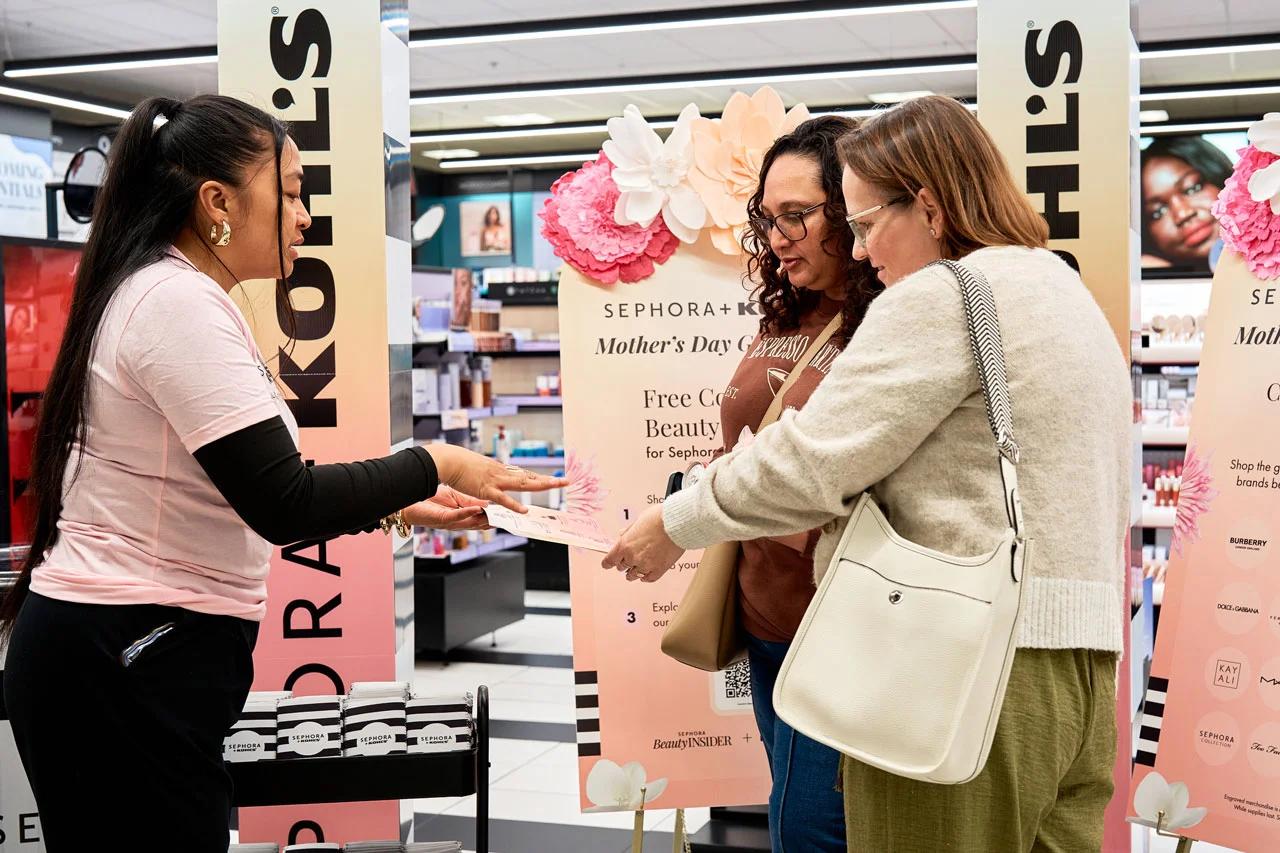
You probably remember your favorite concert in far more detail than any ad you saw last week. That's not an accident.
An event does not just create a single impression; it creates a memory, and memories are what loyalty is built on. Emotionally charged memories are stored and recalled differently. Every time a customer recalls that experience, the energy of the room, the moment the brand exceeded their expectations, that emotional residue quietly tips the 70% in your favor, long after the event is over.
When a brand intentionally creates those moments, it earns a place in the consumer’s story, not just their feed. This is the core promise of experiential branding: a well-designed live moment can create emotional memory, deepen trust, and strengthen the connection and brand loyalty over time.
Trust Through Transparency
Live interactions let consumers ask questions, meet the people behind a product, and evaluate it without a filter. Brands that show up in person signal confidence: we're willing to be seen. That visibility builds credibility that no polished digital campaign can replicate.
In fact, according to a 2025 Freeman and Edelman study, 68% of Gen Z consumers feel more trusting of a brand after attending a live event.
Personalization at Scale
Personalization signals to attendees that they are seen as individuals, not just numbers. A national ad campaign speaks to everyone the same way. Events let brands show up differently in Austin than in Chicago, tailored to what each community actually cares about, whether that's sustainability, sport, or subculture.
That local tailoring builds loyalty because it removes the feeling of being marketed at and replaces it with the feeling of being understood. When a brand reflects a community's specific values back at them, rather than broadcasting a generic message, attendees don't just engage with the brand; they identify with it.
Identity-level connection is what separates a repeat customer from a genuine advocate. People stay loyal to brands that feel like they "get" them, and localized events are one of the few channels that can credibly deliver that at scale.
Belonging
Successful experiential trends and events create an "us." That shared connection fosters brand loyalty because belonging is one of the strongest human motivators. Experiences give attendees the opportunity to feel part of something bigger, even if only for a moment, and that emotional connection can extend their relationship with a brand long after the event ends.
Once people feel like they are part of a community, even briefly, walking away carries a psychological cost. The brand stops being just a product they purchase and becomes something tied to their identity. Consumers are far less likely to abandon a community than they are to cancel a subscription. Instead, they advocate for it, return to it, and recommend it to others because staying connected reinforces how they see themselves.
Key Strategies for Building Brand Loyalty via Events
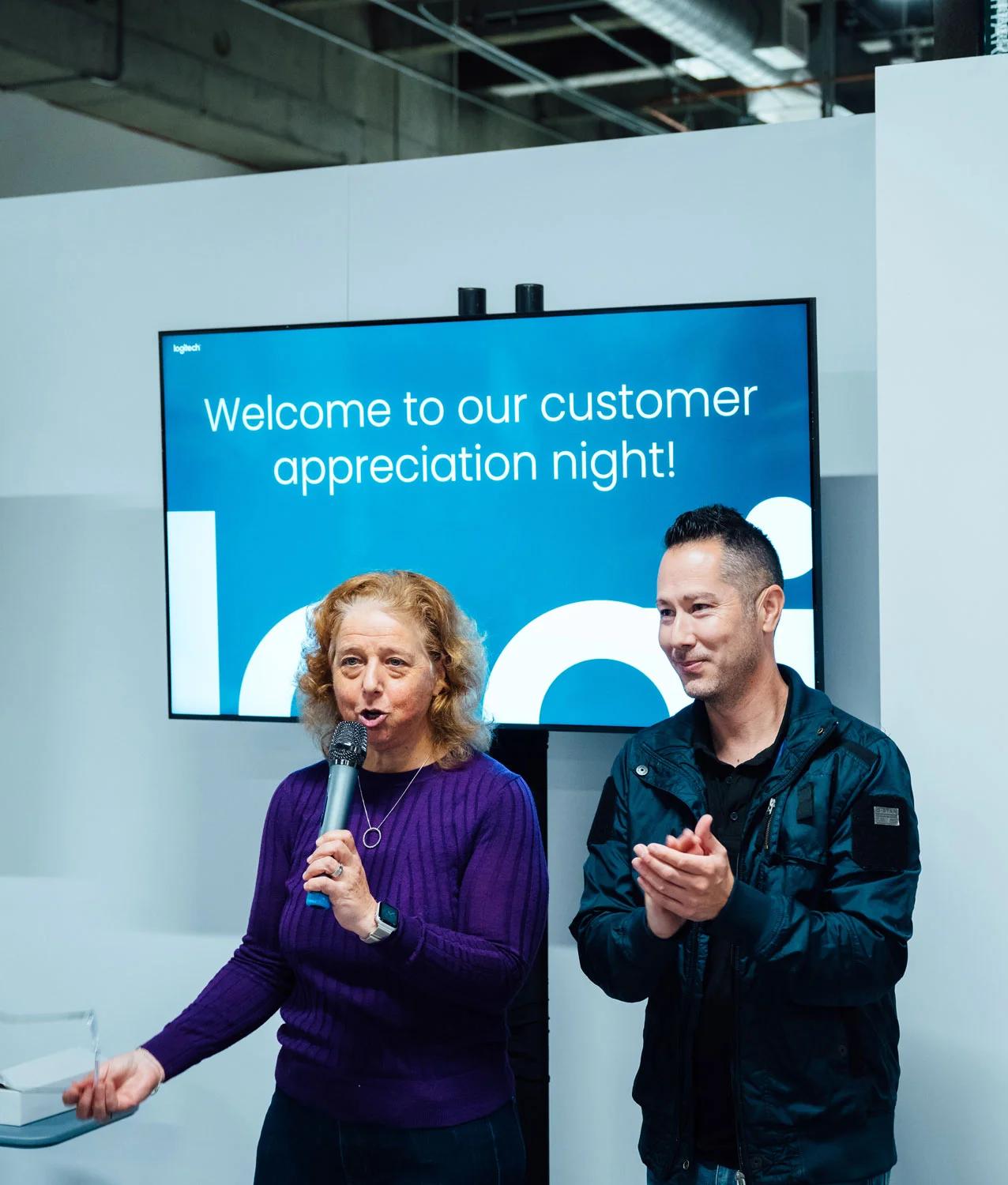
Live experiences and events do what digital cannot; they put consumers inside the brand. The most effective brand engagement events tend to share a common playbook:
- Immersive, emotional interaction: Hands-on, sensory experiences create emotional moments that stay with attendees long after the event ends. The strongest events are designed around a single feeling, whether surprise, delight, exclusivity, or connection, and commit to it fully.
- Authenticity: The experience should feel like a natural extension of the brand, not a performance for relevance. Consumers can quickly tell when an event aligns with a brand’s identity and when it does not.
- Exclusive access: Invite-only experiences, VIP treatment, and behind-the-scenes moments make audiences feel valued rather than marketed to. Exclusivity creates emotional investment and strengthens brand affinity.
- Community and shared values: Events that unite people around shared interests or beliefs, from sustainability to fitness to culture, create a sense of belonging that extends beyond the experience itself.
- Education and authority: Workshops, panels, and interactive learning opportunities position brands as trusted resources rather than just product providers. Value-driven education builds long-term credibility.
- Personalization: Real-time engagement data and post-event follow-ups allow brands to tailor future experiences to audience preferences. Personalization makes attendees feel recognized, not generalized.
- Strategic partnerships: Collaborations with complementary brands expand audience reach while adding credibility and cultural relevance for both partners.
- Built-in shareability: Experiences designed to be photographed and shared turn attendees into brand advocates. Organic social sharing creates authenticity that paid advertising cannot fully replicate.
- Execution: Seamless on-site execution is what attendees remember most. Even the strongest creative concept loses impact when logistics fail.
Brand Loyalty Strategies That Work: Product Sampling and Immersive Events
Loyalty through experiential marketing is built on one simple principle: give attendees something real to take away, whether a product, a memory, or a sense of being known.
This principle also triggers reciprocity, a well-documented psychological phenomenon in which receiving something creates a genuine impulse to give something back. In a brand context, that reciprocity often shows up as a first purchase, a repeat visit, or a recommendation to a friend.
This principle can take shape in several ways:
- Live demonstrations build credibility and excitement by showing products in action without the polish or editing of traditional advertising. That unfiltered, real-time quality is often what makes the experience feel more trustworthy and engaging.
- Co-creation experiences, such as customization stations or interactive workshops, make consumers feel personally invested in the brand. When people help build or design something themselves, they tend to value it more — a documented cognitive bias known as the IKEA effect.
- Exclusive access, giveaways, and product sampling at events, reward existing loyalty while attracting new audiences at the same time. Members-only previews and first-access launches signal that a brand values its most engaged consumers, strengthening both connection and perceived exclusivity.
Real Examples of Brand Events that Built Loyalty
The brands that use experiential marketing most effectively do not treat events as one-off stunts. They design them as the first step in a longer relationship with their audience. When executed well, these experiences create emotional connection, community, and lasting brand affinity.
Stanley Studio H2O College Mobile Tour
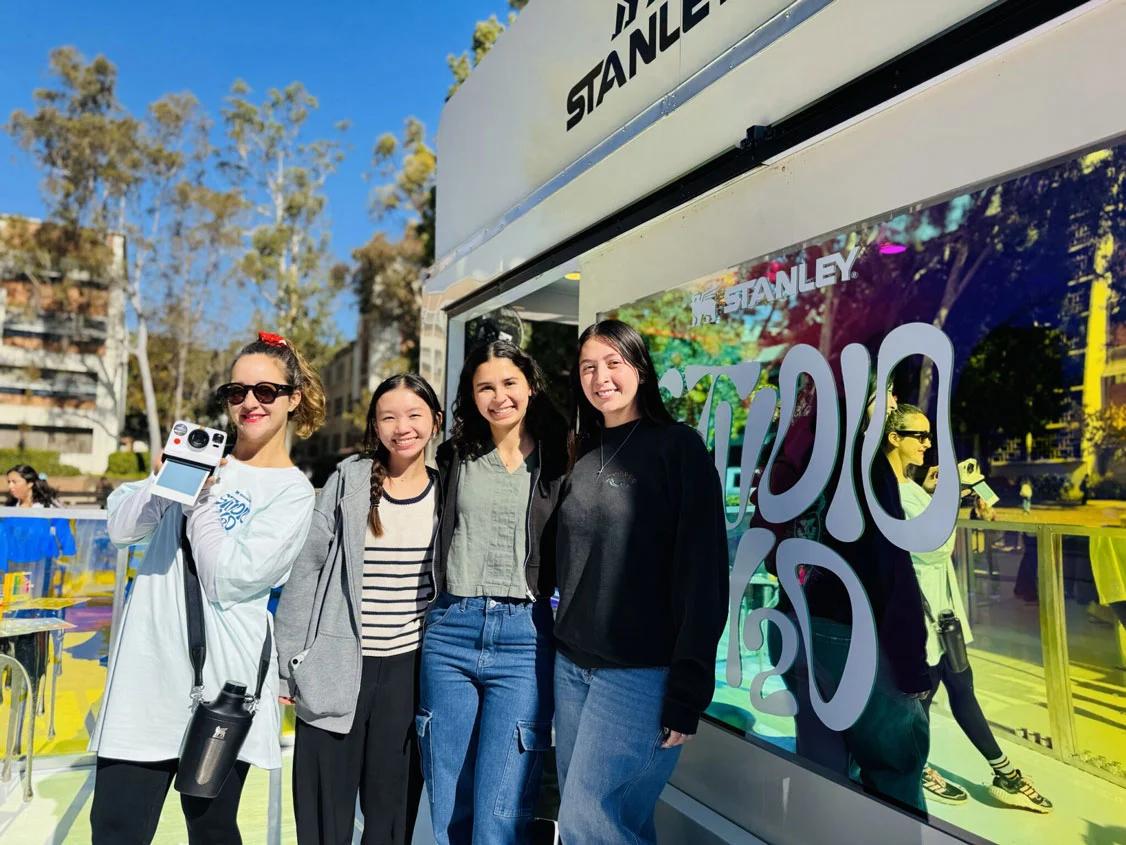
Stanley is a textbook example of how experiential events drive brand loyalty. Developed through Newbridge's expertise in college marketing and media, Stanley launched its Studio H2O Tour, a 13-week mobile pop-up activation across 14 college campuses, designed to cement Stanley’s status as a must-have among students.
The activation engaged campus leaders and trendsetters through live engraving stations, exclusive merchandise, product giveaways, and student influencer-driven social buzz, all within a single immersive experience. The campaign ultimately generated 3.6 million total impressions, drew more than 23,000 attendees, and resulted in over 5,000 custom-engraved products.
By combining personalization, exclusivity, and peer-driven advocacy, the tour transformed online momentum into real-world brand connection.
The IKEA Sleepover
IKEA once granted a request from a Facebook group to host an after-hours, overnight sleepover in one of its stores, where participants could sleep in the beds, use the kitchens, and experience the store as if it were their home.
The activation succeeded because it turned IKEA’s core brand promise, that its products belong in everyday life, into a literal lived experience. Guests did not just walk through a showroom; they experienced the brand firsthand in an emotional and memorable way.
The campaign generated:
- Over 330 editorial media placements
- More than 15,000 click-throughs to the IKEA website
The IKEA Sleepover has since become one of the most frequently cited examples in experiential marketing, often referenced as a benchmark for how a single event can create lasting brand equity.
Pocari Sweat
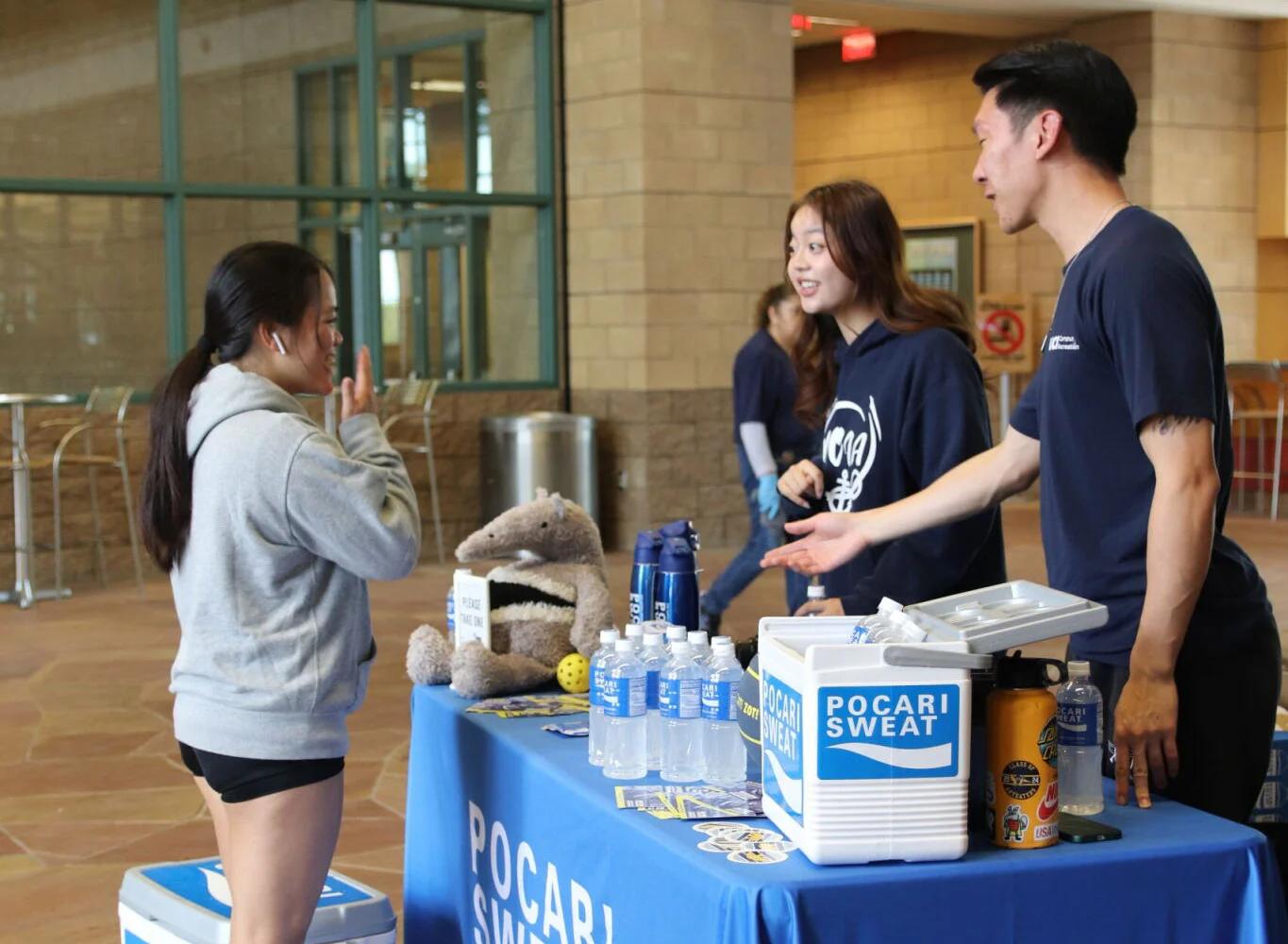
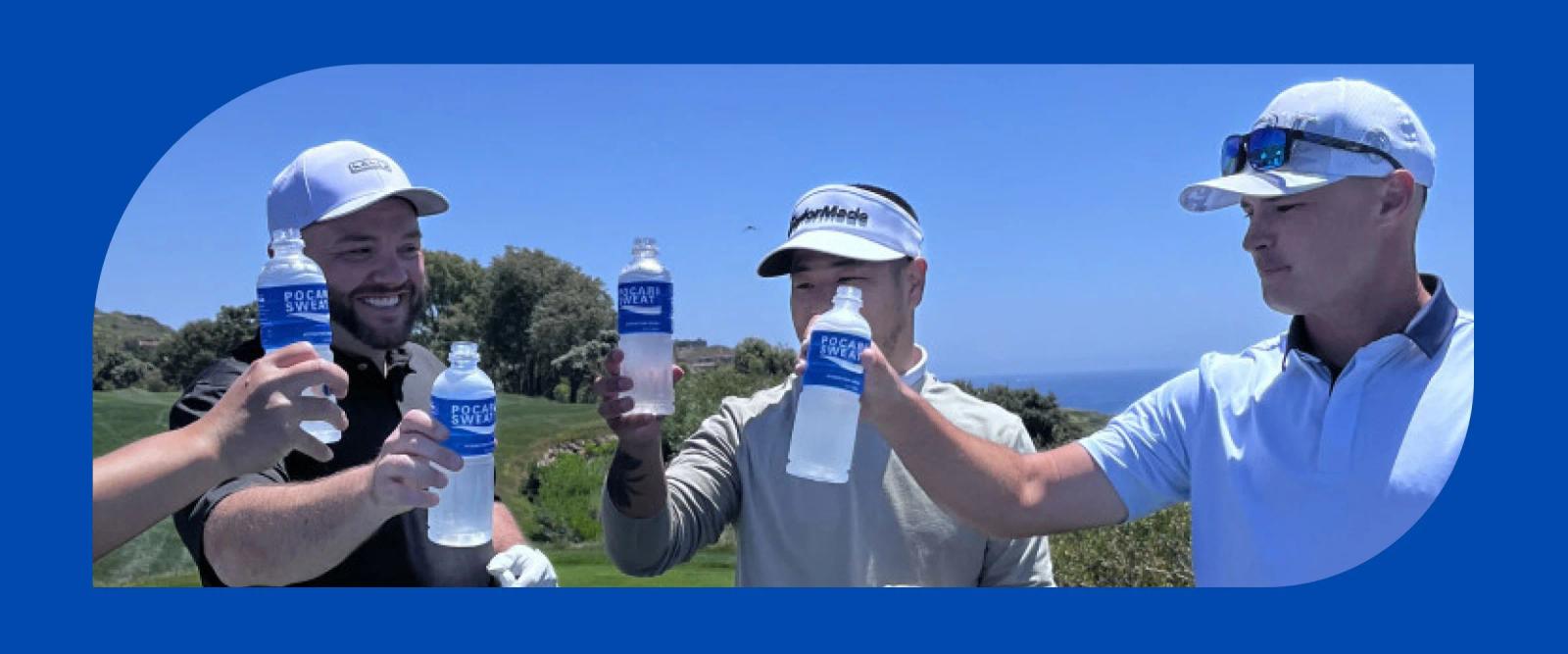
Experiential marketing builds customer loyalty most effectively when the impact continues beyond the activation itself. Pocari Sweat’s California campaign, developed in partnership with Newbridge, demonstrated this by combining large-scale product sampling with peer-driven advocacy.
Rather than relying solely on paid advertising, the campaign introduced the product directly to active, health-conscious consumers during and after physical activity, moments when the audience was most receptive.
The activation distributed 137,000 samples and generated more than 408,000 impressions, creating firsthand product experiences at scale. The longer-term loyalty strategy, however, centered around the student ambassador program. With more than 48 social posts averaging a 13.5% engagement rate, the campaign relied on authentic peer recommendations rather than brand messaging alone.
That type of advocacy extends the emotional reach of an event long after the activation ends because consumers trust people who genuinely experienced it.
Coca-Cola Happiness Machine
Coca-Cola placed what appeared to be an ordinary vending machine inside the cafeteria at St. John’s University in New York. Instead of dispensing a single soda, the machine surprised students with an endless stream of unexpected gifts, including flowers, balloon animals, pizza, and even a 12-foot sub sandwich, all captured through hidden cameras.
The unscripted video was uploaded to YouTube without paid promotion, earned more than one million views within its first week, and later won the Gold Interactive CLIO Award. Coca-Cola eventually expanded the concept into a global campaign across more than 40 countries.
What made the activation successful was that it prioritized emotion over promotion. Rather than focusing on the product itself, the experience created moments of surprise, generosity, and shared joy that audiences genuinely wanted to engage with and share. Those emotions became closely tied to the brand, extending the impact of the campaign far beyond the original event.
KIND — World Kindness Day
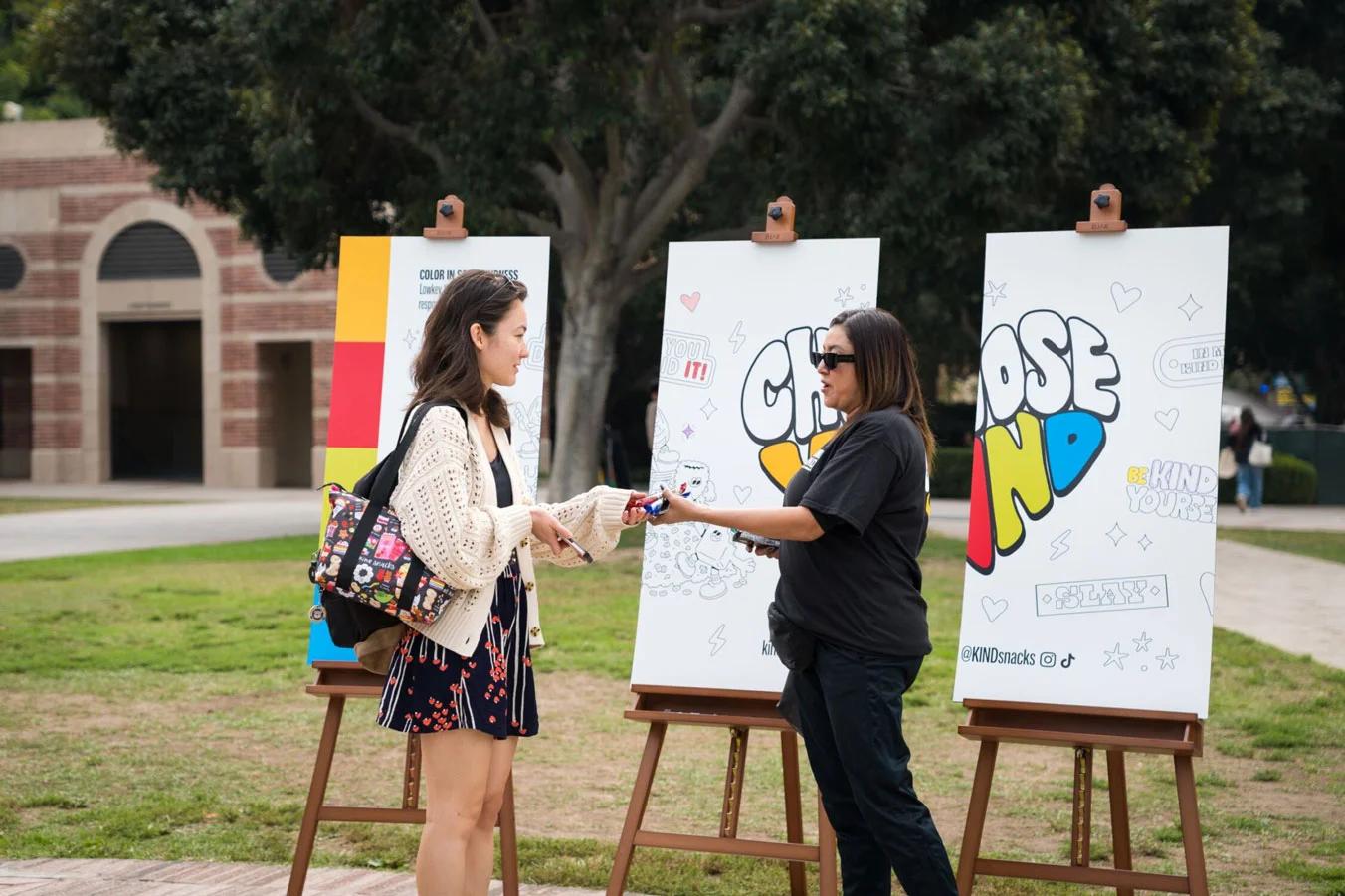
Some of the strongest forms of brand loyalty are built around shared values rather than products alone. Developed in partnership with Newbridge, KIND’s World Kindness Day campus activation demonstrated how experiential marketing can turn a brand message into a broader cultural movement.
The campaign invited students at UCLA, Ohio State, and the University of Utah to participate in the CHOOSE KIND movement, transforming a simple sampling activation into a values-driven community experience.
Student ambassadors and NIL creators amplified the campaign through authentic peer-to-peer content, extending the experience beyond the physical event itself. The activation ultimately distributed 51,000 KIND bars, generated 80,000 footprint impressions, and achieved a 6.4% social engagement rate driven by a message audiences genuinely wanted to share.
This is how experiential marketing builds lasting brand culture: by giving people a shared identity and message they want to carry forward.
The Post-Event Strategy That Builds Brand Advocacy
Most event coverage stops when the event ends. That's exactly where the loyalty opportunity begins.
The real value of a brand activation multiplies in the weeks that follow, if the brand follows up intentionally. Three strategies make the difference between a one-day awareness spike and a lasting shift in loyalty.
- Personalized follow-up: A thank-you tied to what an attendee actually experienced (a relevant offer, a piece of content, a callback to a specific moment) deepens the relationship in ways a generic email blast never will.
- UGC amplification: When brands reshare and celebrate attendee posts, two things happen: those who posted feel seen, and those who didn't attend get a glimpse of what they missed. Activations that inspire loyalty don't just generate UGC; they respond to it.
- Community building: The event is a gateway. Private communities, ambassador programs, and early-access tiers give attendees a reason to stay connected long after the activation ends, converting one-time participants into ongoing advocates.
This is where experiential marketing and customer retention intersect. The activation creates the emotional memory; the follow-up is what keeps it alive long enough to change behavior.
Real Loyalty Starts with Real Experiences
Every program we run at Newbridge is built around exactly that: the activation creates the memory, and everything that follows keeps it alive.
Here's how we do it:
- Immersive activations: We create hands-on experiences, from product sampling and pop-up shops to mobile tours that give consumers the chance to interact with a brand in a tangible, memorable way.
- Campus and young adult expertise: We specialize in reaching students during high-impact moments like move-in week, back-to-school season, and major campus events, when brand preferences are still forming and loyalty is ready to be earned.
- Student ambassador networks: We recruit, train, and manage brand ambassadors and staff who drive authentic peer-to-peer engagement, extending a campaign’s credibility and influence long after the activation ends.
- Data-driven personalization: We combine live engagement with audience insights to help brands understand what resonated most and use that intelligence to make future activations even more effective.
- Social amplification: We design experiences people genuinely want to share. Organic attendee content creates a level of authenticity and trust that traditional paid media cannot replicate.
Ready to get started?
Related Content
How to Do a Pop-Up Shop Successfully for Your Brand
A practical guide to planning and executing pop-ups that drive engagement, brand awareness, and ROI.
Newbridge Named One of Chief Marketer’s Top Marketing Agencies for 2025
Celebrating standout work in experiential and college marketing and looking ahead to a big year of growth, creativity, and connection.
Top Back-to-School Marketing Ideas for College Brands
Top back-to-school marketing ideas for college brands in 2026. Learn how move-in week, campus activations, and student ambassadors drive real ROI.