Street Team Marketing: A Brand Marketer's Guide
7/13/2026
By Lily McDowell
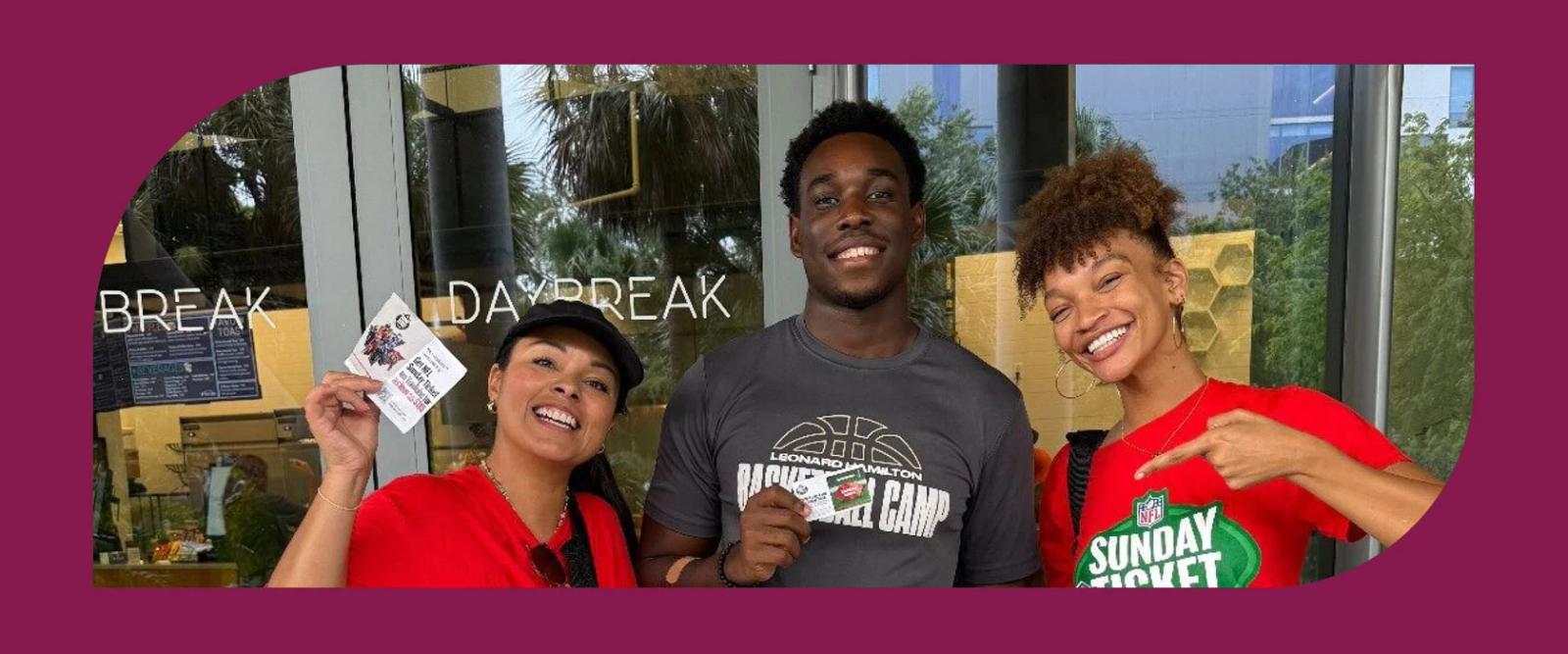
Street team marketing is an experiential marketing strategy in which brands deploy small groups of brand ambassadors to engage consumers directly in high-traffic areas, at events, or on college campuses. Teams distribute samples, spark conversations, and create real-world brand moments that drive awareness and trial.
If you're building out your brand activation strategy, street team marketing is one of the most direct and measurable tactics for reaching consumers in the real world.
What Is Street Team Marketing?
Street team marketing is a face-to-face promotional strategy in which brand representatives engage consumers directly in public spaces, distributing samples, sparking conversations, and generating buzz where people already spend their time. Think of a street team as a mobile word-of-mouth engine: rather than waiting for customers to find the brand, the brand goes to them.
The concept has roots in the music industry, where record labels sent reps into neighborhoods to hand out flyers, stickers, and promotional CDs for up-and-coming artists. The model worked because it felt personal and grassroots. Today, brands across CPG, technology, sports, and retail use that same grassroots approach to power their own efforts.
How Street Teams Work: From Activation to Impression
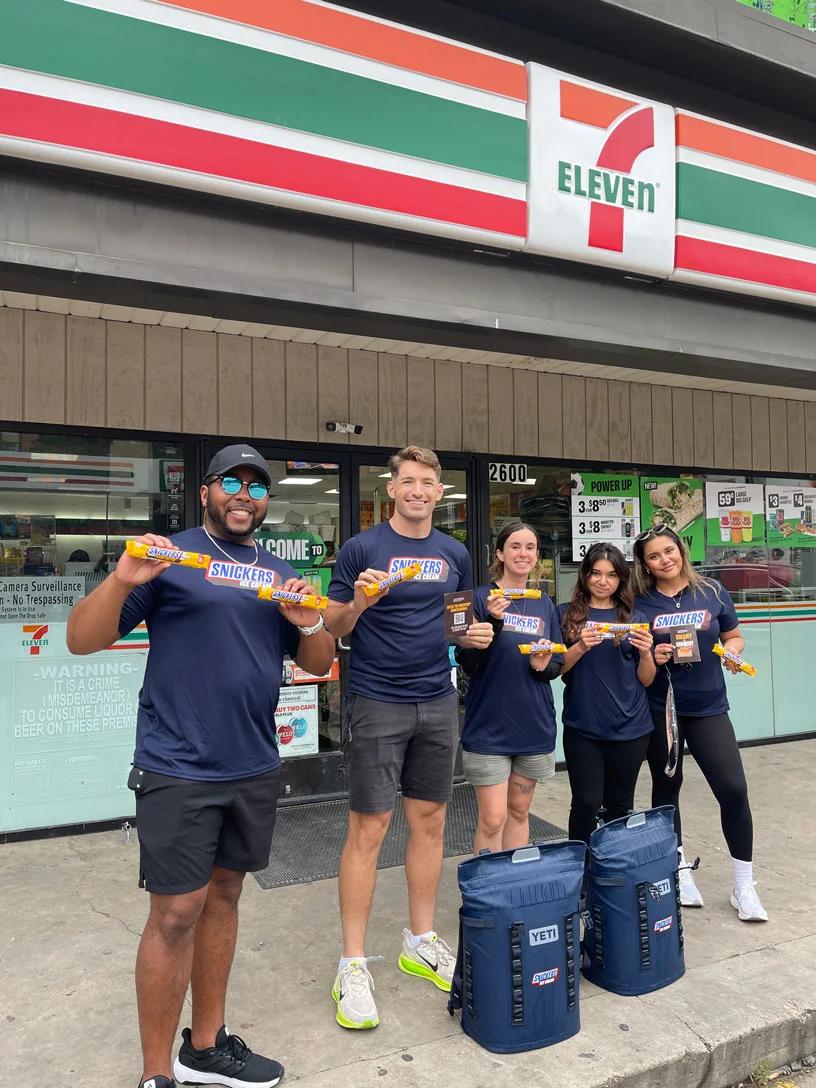
A street team activation follows a clear operational strategy, even if the experience feels spontaneous to consumers.
Most street team activations follow five key stages:
- Define the goal: Build awareness, drive sampling, capture leads, or support an event.
- Build and train the team: Recruit brand ambassadors and brief them on messaging, tone, and engagement tactics.
- Identify target locations and times: Choose high-traffic venues, events, or neighborhoods where your audience gathers.
- Execute the activation: Deploy the team and engage consumers.
- Capture data and measure impact: Track samples distributed, sign-ups collected, and impressions made.
Imagine a beverage brand launching a new product at a summer music festival. Street team representatives stationed throughout the grounds hand out product samples, collect email sign-ups via tablet, and direct consumers to a social media hashtag for a chance to win festival tickets.
That single activation demonstrates all five stages: a clear goal, a trained team, a targeted location, effective execution, and measurable results. This model fits within the broader family of experiential marketing tactics that prioritize direct consumer participation over passive exposure.
Why Street Team Marketing Works (When It's Done Right)
Unlike guerrilla marketing tactics that rely on surprise or disruption, street team activations build connections through sustained, personal interaction. This matters because consumers are experiencing digital fatigue. Consumers are exposed to more online advertising than ever before, making in-person street team promotion a powerful way to reach people in environments where brands face far less competition for attention.
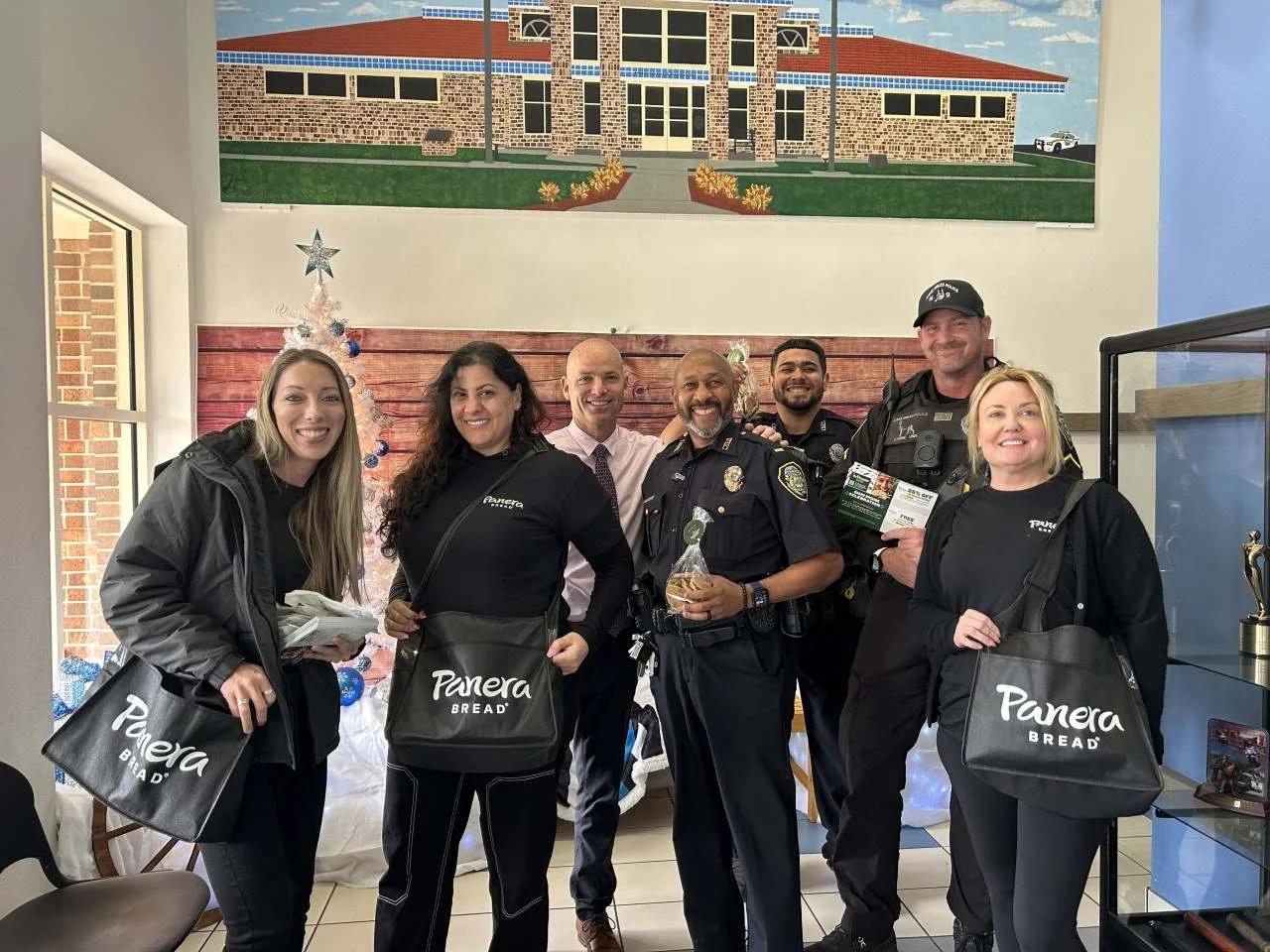
Why street team marketing is effective:
- Trust at first contact: Consumers trust people over ads. A face-to-face conversation builds brand credibility in seconds.
- Product trial: Sampling breaks purchase inertia. Putting a product in someone's hand removes the risk barrier that keeps consumers loyal to what they already buy.
- Precision deployment: Street teams go exactly where the target audience already is: festivals, campuses, transit hubs, retail corridors. The more your activation requires of the consumer (time, explanation, or a sign-up), the more targeted that location needs to be.
- Earned amplification: A well-executed activation gives people something worth sharing. That in-person moment extends into social content, peer recommendations, and organic reach that outlasts the activation itself.
- Real-time intelligence: Street teams return consumer feedback that no survey replicates: direct objections, questions, and reactions that sharpen future campaign strategy.
- Product education: For brands launching new categories or products that require explanation, a street team creates the conditions for a real conversation. A consumer who tries and understands a product on the street is fundamentally different from one who sees a banner ad.
A street team activation also delivers measurable results. Success can be tracked through distributed samples, collected email addresses, social impressions, and downstream conversions. The caveat is that effectiveness depends entirely on the quality of execution.
The wrong team, location, or engagement tactic can undermine even the strongest campaign. A team that's mismatched to its audience will feel like an intrusion rather than a genuine connection. That's where thoughtful planning and experienced execution make the difference.
What to Look for in Street Team Staffing and Execution
Street team staffing is one of the most important decisions a brand makes before an activation, yet it's often underestimated.
The street team model depends on matching the right people to the right audience in the right environment. Brands face a foundational question early on: build the team in-house or work with a street-team activation agency. Both approaches can be effective, but each comes with tradeoffs.
An in-house team gives a brand direct control, but it also requires training infrastructure, local market knowledge, and liability management that many marketing departments aren't set up to handle. Permits, insurance, and compliance with local regulations are logistical details that agencies handle routinely, but in-house teams can easily underestimate.
Before committing to either path, it helps to clarify three things: what you want the activation to achieve, who your target audience is, and whether your internal team has the capacity to manage logistics alongside creative execution. Brands that want to skip the logistics learning curve can explore street team staffing solutions that provide trained teams, permitting support, and market-specific execution.
Regardless of whether a brand goes in-house or works with a partner, the qualities that matter most in individual street team members are consistent:
- Genuine enthusiasm for the brand
- Strong verbal communication skills
- Confidence approaching strangers
- The ability to stay on message across hundreds of interactions
Training is non-negotiable. Even the most outgoing ambassador will underperform without clear talking points, guidance on handling objections, and a defined brief before each shift.
Audience targeting matters too. Street teams aimed at Gen Z consumers need a different energy, aesthetic, and approach to engagement than those targeting suburban parents or working professionals. Getting that alignment right is the difference between a team that feels authentic to the audience and one that feels like an intrusion.
Street Team Marketing Dos and Don'ts
Street team marketing is straightforward in concept, but easy to get wrong in practice. The most common failures stem from execution gaps, not strategy flaws.
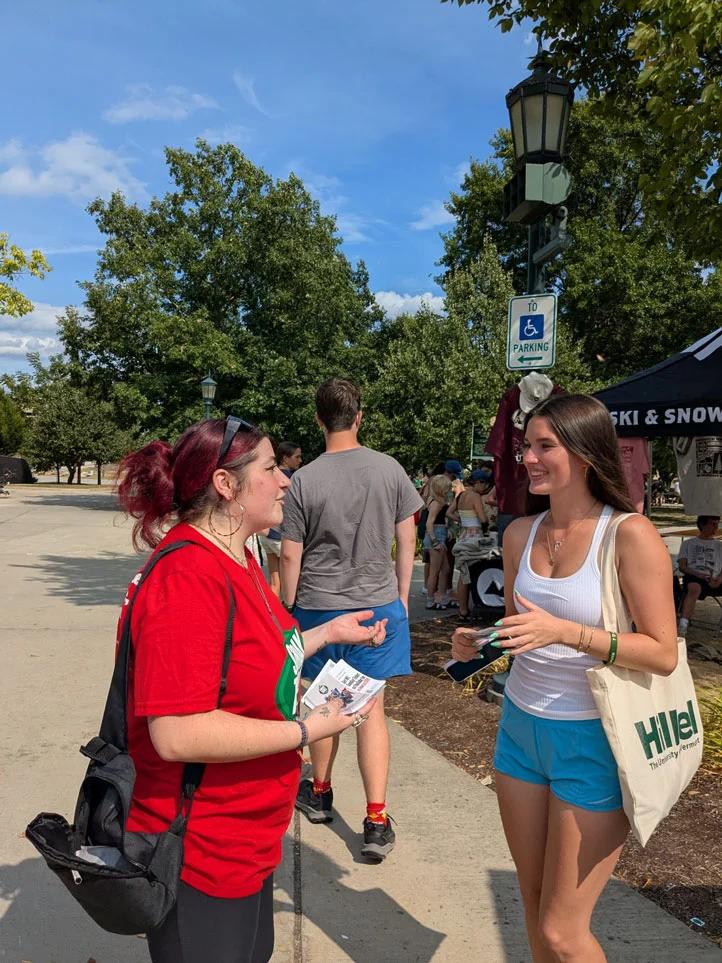
DO
- Choose locations where your target audience already gathers, not just any high-traffic area
- Brief your team before every shift
- Set measurable goals before the campaign launches
- Integrate QR codes, hashtags, or sign-up tools to connect in-person engagement to digital tracking
- Match the team's energy and aesthetic to the target audience
- Build a contingency plan for weather, location changes, and logistics failures before the activation launches
DON'T
- Deploy an untrained team with no talking points or brand brief
- Ignore local permits and regulations; fines and shutdowns are real
- Treat the activation as a standalone effort with no digital integration
- Measure only by impressions; track conversions and downstream behavior too
- Assume all foot traffic is the right foot traffic
- Rely on a single point of contact for materials or activation logistics
A brand that skips the permitting process might find its activation shut down within the first hour. A team deployed without a proper brief will deliver inconsistent messaging across every interaction, and inconsistent messaging is one of the fastest ways to dilute a brand experience.
On the other hand, a street team promotion that's fully integrated with digital touchpoints and staffed by well-trained, brand-aligned ambassadors creates a multiplier effect: the in-person experience generates social content, drives digital traffic, and builds brand recall long after the activation ends.
Real Street Team Marketing Examples

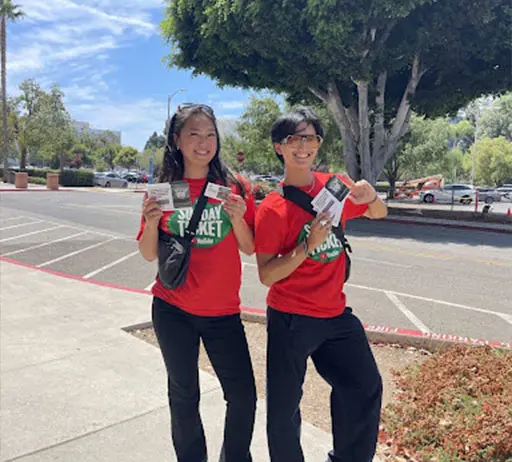
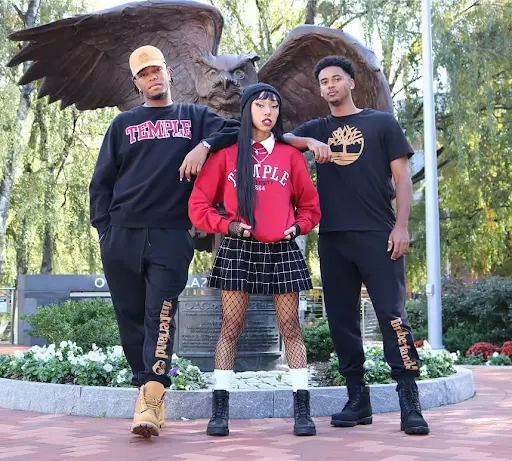
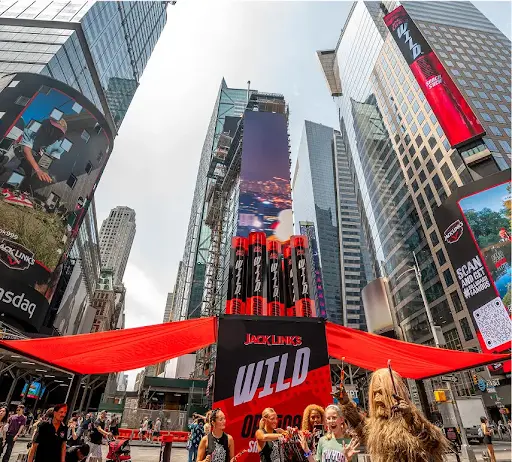
Newbridge has executed street team programs for national brands across a range of industries. Here's what that looks like across three different execution models.
For YouTube NFL Sunday Ticket, street teams activated across 40 college campuses nationwide, distributing scratch-off tickets that gave students the chance to win a free subscription, driving 87,000 in-person engagements, 18 million emails delivered, and 280,000 unique clicks. The program created a seamless consumer journey—from street-level engagement to digital conversion—all within a single campaign.
For Timberland, Newbridge deployed a student ambassador street team across 20 universities over a 10-week campaign, driving peer-to-peer promotion through merchandise distribution, discount code sharing, and campus club partnerships, generating 1.4 million social media impressions and 282,000 engagements.
For Jack Link's WILD, Newbridge deployed brand ambassadors in Times Square for a live sampling activation, putting the product directly in consumers' hands at one of the country's highest-traffic locations. The result: 25,000 samples distributed, 215,000 on-site impressions, and a 15% surge in sales within two weeks of the activation.
Each program looked different, but they all shared the same foundation: trained teams, targeted locations, and measurable outcomes that went well beyond impressions.
Explore more of Newbridge’s Work to see the difference we can make for your brand.
How Much Does Street Team Marketing Cost?
Street team marketing costs vary based on program scope, market, duration, and team size. For a single-market activation, brands typically budget $5,000–$15,000, including staffing, training, materials, and permits. Multi-market or national programs, such as a food truck tour across 30 states or a campus activation across 40 universities, run significantly higher, often in the $50,000–$250,000+ range, depending on scale and duration.
The primary cost drivers are:
- Team size and duration: The number of ambassadors deployed and the activation duration.
- Market complexity: Permitting requirements, travel, and local compliance costs vary by market.
- Materials and branded assets: Sampling kits, branded apparel, premiums, and digital engagement tools.
- Agency fees: Recruiting, training, program management, and reporting.
The most common budgeting mistake brands make is underestimating logistics. Permits, insurance, and on-site management are essential costs that in-house teams often overlook when planning a budget.
Street Team Marketing vs. Other Field Marketing Tactics
- Street team marketing: Ambassadors deployed into public spaces to engage consumers directly. Best for sampling, brand awareness, and lead capture at scale.
- Guerrilla marketing: Unexpected, disruptive brand moments in public spaces. Best for generating earned media, viral moments, and brand buzz.
- Brand ambassador program: Long-term representatives who promote a brand for weeks or months. Best for college marketing and sustained peer-to-peer influence.
- Sampling campaign: Product trial distribution at retail, events, or via mail. Best for driving product trial and purchase conversion.
- Mobile tour: Branded vehicle traveling across multiple markets. Best for multi-market product launches and regional expansion.
Marketing with street teams often overlaps with these tactics, and the strongest activations often combine multiple approaches.
How Newbridge Helps Brands Create Successful Street Teams
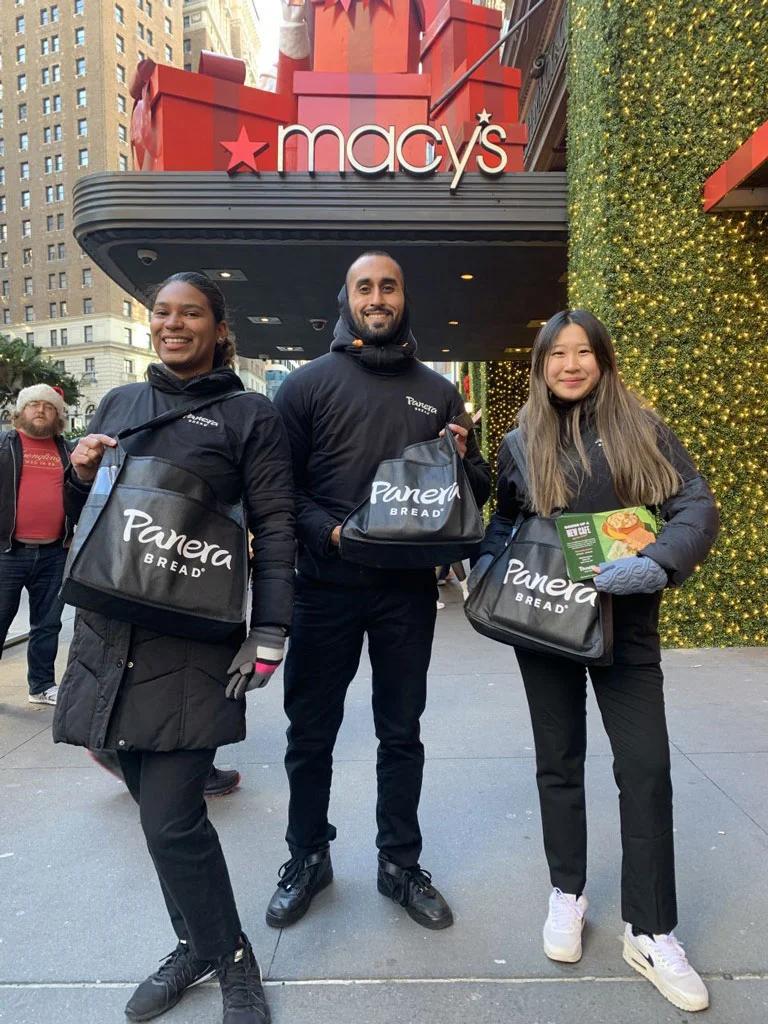
Marketing with street teams remains one of the most direct, human, and measurable ways for a brand to connect with its audience in the real world. Done well, it creates moments that digital advertising can't replicate and results that are trackable from the street to the sale. Success depends on strategy and execution working together.
Newbridge handles every layer of street team staffing and execution: recruiting, vetting, training, communications, and on-the-ground management. Every staff member is personally interviewed and engaged as a W-2 employee, not a gig worker, which means accountability, consistency, and brand alignment across every consumer interaction. Dedicated account teams manage pre-activation logistics, so brands don't have to juggle permits, scheduling, and team briefings alongside their day-to-day responsibilities.
The result is a team that shows up prepared, on-brand, and ready to perform, whether that's distributing samples on a national food truck tour, activating across 40 college campuses, or putting products directly into consumers' hands in the middle of Times Square.
For brands looking to integrate street team execution into a broader campaign, with creative, strategy, and field execution under one roof, explore Newbridge's staffing solutions or connect with the Newbridge team to plan your next activation.
FAQs About Marketing with Street Teams
What Is the Purpose of a Street Team in Marketing?
A street team's purpose is to put a brand directly in front of consumers in the real world, generating awareness, driving product trial, capturing leads, and creating face-to-face brand moments that digital advertising can't replicate.
How Many People Do You Need for a Street Team?
Most activations run with 2–10 ambassadors per location, depending on venue size and program goals. Larger national programs deploy teams across multiple markets simultaneously, with dedicated field managers overseeing each market.
How Do You Measure Field Marketing ROI?
ROI is tracked through samples distributed, email sign-ups collected, social impressions generated, coupon redemptions, and downstream sales data. The most effective programs integrate digital touchpoints, such as QR codes, hashtags, and sign-up tablets, to connect in-person engagement directly to measurable conversions.
What's the Difference Between Field Marketing and Guerrilla Marketing?
Street team marketing is a planned, repeatable field strategy built around consistent consumer engagement. Guerrilla marketing relies on surprise and disruption to generate earned media. Street teams can incorporate guerrilla elements, but the two strategies serve different purposes.
How Far in Advance Should You Plan a Street Team Activation?
For single-market activations, 4–6 weeks is the minimum for recruiting, training, permitting, and materials production. Multi-market or national programs require 8–12 weeks of lead time to execute without cutting corners at any step.
Do Street Teams Need Permits?
In most cities, yes. Public space activations require permits, and requirements vary significantly by municipality. Skipping this step is one of the most common and costly mistakes brands make. Many agencies, including Newbridge, handle permitting as a standard part of execution.
Related Content
How to Do a Pop-Up Shop Successfully for Your Brand
A practical guide to planning and executing pop-ups that drive engagement, brand awareness, and ROI.
Newbridge Named One of Chief Marketer’s Top Marketing Agencies for 2025
Celebrating standout work in experiential and college marketing and looking ahead to a big year of growth, creativity, and connection.
Top Back-to-School Marketing Ideas for College Brands
Top back-to-school marketing ideas for college brands in 2026. Learn how move-in week, campus activations, and student ambassadors drive real ROI.