Brand Activation Strategy: What Works, What Doesn't, and Why
6/23/2026
By Lily McDowell
A strong brand activation strategy turns passive audiences into active participants; people who feel something, remember something, and do something because of an experience with your brand.
The most successful experiential marketing activations are built around genuine participation; direct interaction creates memories that no ad impression can replicate, and targeted experiences for specific communities consistently outperform broader, noisier footprints.
This guide covers how to build an activation strategy from the ground up: defining your objective, choosing the right format, scaling across markets, and measuring the results that actually matter to your business.
What Is Brand Activation?
Brand activation is the process of bringing a brand to life through direct, meaningful consumer experiences. Rather than simply broadcasting a message, activation invites the audience to participate. Traditional marketing tells people what a brand stands for, while brand activations (https://newbridgemarketing.com/news/brand-activation-ideas) show them, whether that’s through a live event or a product sampling tour.
What separates brand activation from standard marketing is the presence of a direct, participatory exchange; something the consumer does, feels, or experiences firsthand. That participation is what creates lasting memory, and lasting memory is what drives the behavior changes brands are ultimately trying to produce.
Why Brand Activation Matters More Than Ever
Consumer expectations have shifted significantly. Audiences don't just want to be marketed to; they want to be engaged, respected, and given something worth their time. In a media environment saturated with ads, the brands that cut through are the ones that create genuine experiences rather than interruptions.
Research heavily backs this up:
- A 2023 study by Reach3 Insights and The Keller Advisory Group found that 69% of consumers favor brand experiences over traditional marketing.
- According to Bizzabo, 78% of organizers rank in-person events as their top-performing tactic.
- G2 reported that 77% of marketers say experiential marketing increases brand awareness , 9 out of 10 say it is essential to their strategy, and 74% of Fortune 1000 marketers plan to increase their experiential marketing budgets.
- Forbes also found that 85% of consumers are more likely to purchase after participating in a brand experience.
The long-term business case is equally clear: brand activations directly drive repeat purchase behavior, brand advocacy, and long-term equity. These events accelerate trust in a way that paid media cannot.
How Brand Activation Differs from Traditional Marketing
Traditional marketing pushes a message outward to a mass audience. Brand activation pulls consumers into an experience and asks them to participate. That structural difference matters because participation creates stronger memory encoding and brand association than passive exposure.
The table below captures the key contrasts across four dimensions:
Dimension
- Direction
- Timing
- Measurement
- Emotional depth
Traditional Marketing
- One-way broadcast
- Always-on, continuous
- Impressions, reach, frequency
- Awareness and familiarity
Brand Activation
- Two-way dialogue
- Moment-in-time experience
- Direct behavioral outcomes
- Lived memory and connection
How to Create a Successful Brand Activation Strategy
The most memorable activations are built on a clear strategic foundation, where the creative execution serves the goal rather than substituting for it. Here is a step-by-step process for building one.
Start with a Business Goal, Not a Big Idea
The most common failure in activation planning is leading with a concept, "let's do a pop-up" or "let's do something at a festival", before defining what the brand actually needs to achieve. Every activation should trace back to a specific behavior change:
- Driving trial among a new demographic
- Generating advocacy among existing customers
- Building awareness in a new market
- Accelerating repeat purchase
That goal shapes every decision that follows, from format to location to measurement. Without it, even a visually impressive activation is unlikely to deliver meaningful results.
Design Around a Single Core Mechanic
The best activations are built around one thing every participant does, a single, repeatable engagement mechanic that creates the memory. It might be a tasting experience, a personalization station, a challenge, or a photo moment. The mistake many brands make is layering multiple activities, hoping that more means better. Complexity dilutes impact. The brands that get it right resist the urge to add and instead focus on making one thing exceptional.
Choose the Right Format
The format should follow the audience, not the other way around. A college student sampling program, a festival activation, and a trade show booth each serve distinct behavioral patterns and brand contexts, and the wrong format in the wrong environment will underperform regardless of the creative quality.
Map where your audience already spends time, what they're open to engaging with in that context, and where your brand has natural credibility. That intersection is where your format decision should land. Match the activation type to your audience's behavior patterns and your brand's natural territory.
Build Organic Amplification into the Design
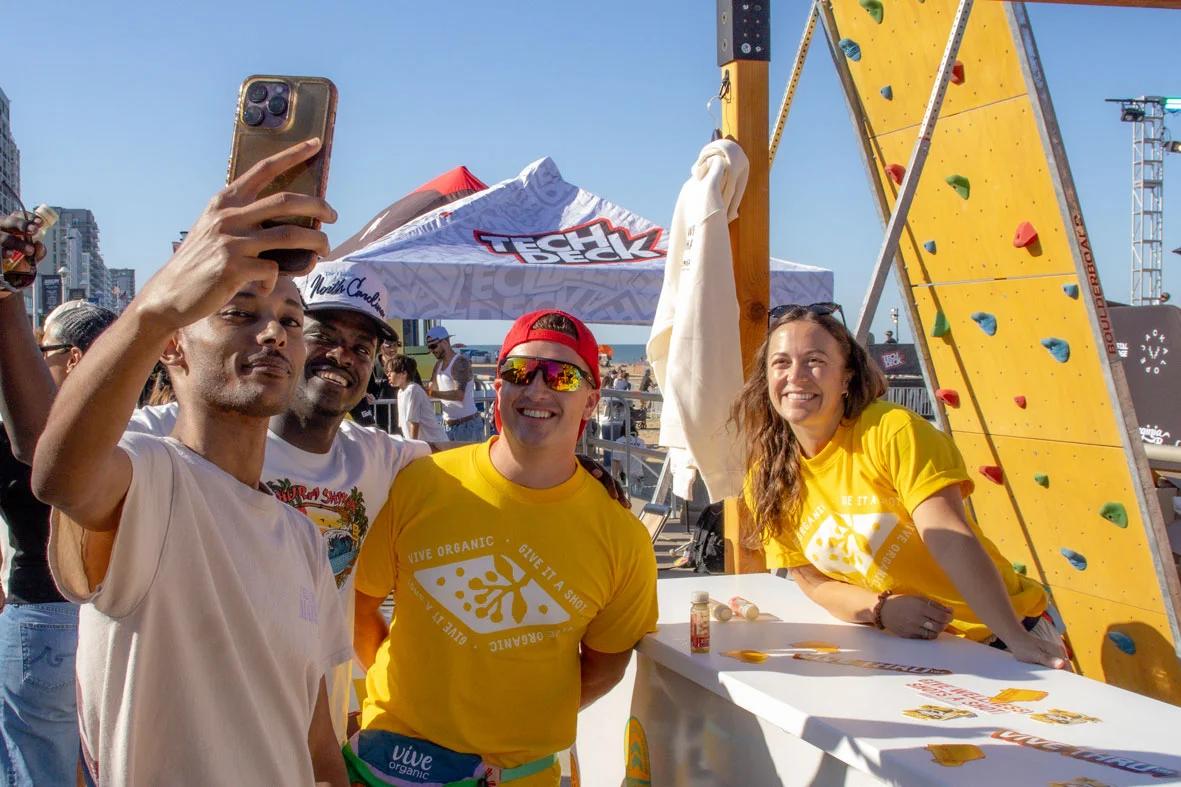
The participants who attend an activation are rarely the full audience. With the right design choices, visual moments that invite photography, social prompts that feel natural rather than forced, exclusive content that feels worth sharing, an activation can generate earned media that extends its impact well beyond the people physically present. Organic social content from real participants carries a level of authenticity that paid media cannot replicate, because it reflects a real person's genuine experience.
Set Your Measurement Framework Before Launch
The brands that get the most from their activations define success before the first attendee walks in, not after. That means agreeing on the specific behavioral metrics that matter: lead captures, redemption rates, sales lift in the activation geography, and repeat purchase following the event.
Reach and attendance numbers are easy to report, but rarely tell the full story. Build the measurement infrastructure into the program design so the data you need is actually collectible on the day.
Brief Your Execution Team Thoroughly
The strategy only matters if it reaches the ground. The brand ambassadors, field staff, and on-site team are the brand at that moment; their energy, knowledge, and ability to deliver the experience as designed are what participants will remember. We've seen strong concepts undermined by insufficient briefing, and we've seen modest concepts land exceptionally well because the team was prepared, motivated, and clear on what success looked like. Don't shortchange this step.
Brand Activation Examples
Brand activation campaigns come in many forms, and the right format depends on your audience, your goal, and the kind of experience you want people to have. Here are the five formats we see perform consistently.
Live Experiential Events
Live events are the most immersive format in brand activation. They engage multiple senses simultaneously, sight, sound, touch, and sometimes taste or smell, which creates the kind of multi-layered memory that is nearly impossible to replicate digitally.
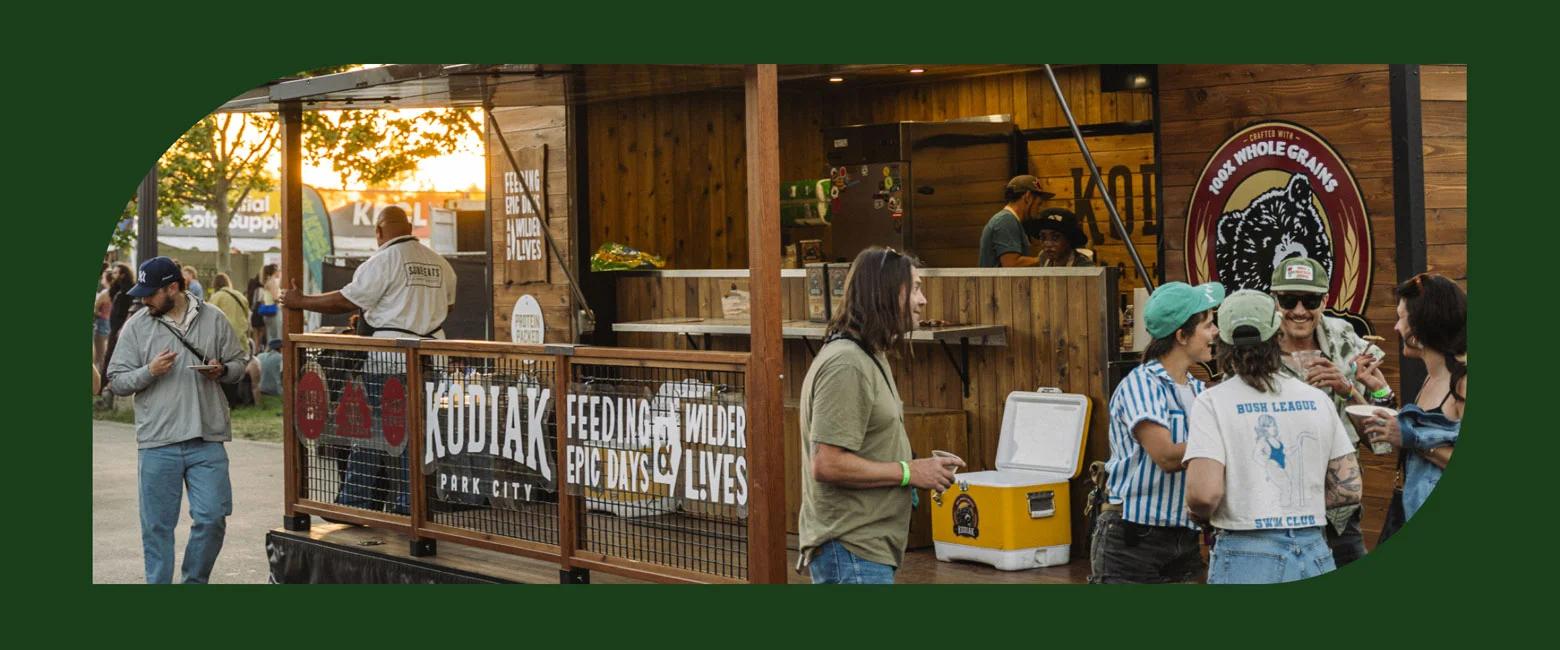
A music festival activation that places a brand at the center of a social experience generates emotional associations that linger with attendees long after they leave. These activations are also inherently shareable; compelling, well-designed experiences prompt organic social content.
Best use case: Brands looking to create emotional resonance and cultural relevance with a specific audience in a short window of time.
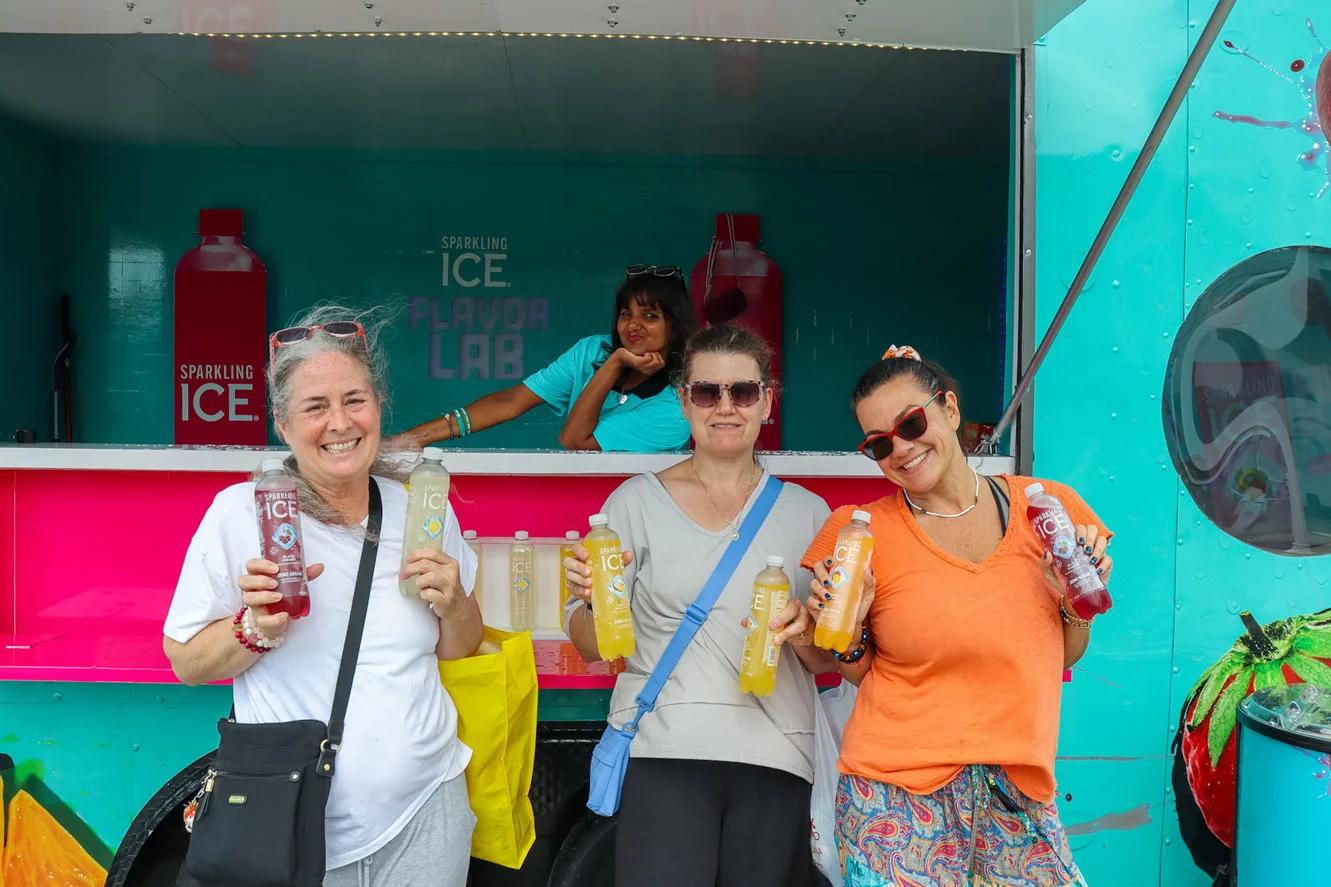
Product Sampling
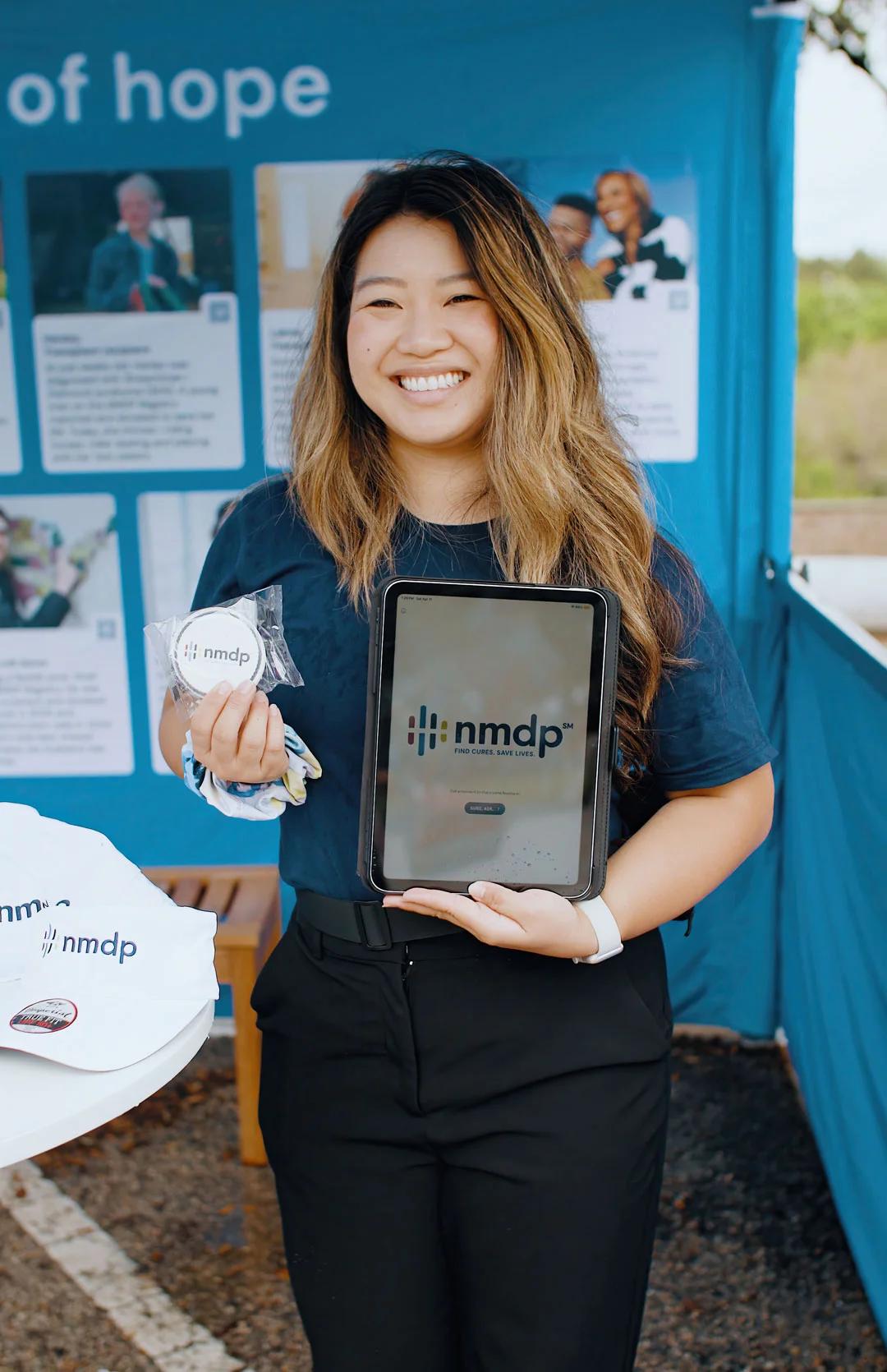
Product sampling puts the product directly into a consumer's hands, and that first-person trial experience is one of the most powerful conversion tools available. There is also a well-documented reciprocity effect at work. When a brand offers something freely, consumers often feel a natural inclination to reciprocate by making a purchase or recommending the brand. Sampling works especially well for food, beverage, and personal care brands where the product's quality speaks for itself once experienced.
Best use case: Brands entering new markets, launching new products, or competing in categories where trial is the fastest path to conversion.
Pop-Up Shops
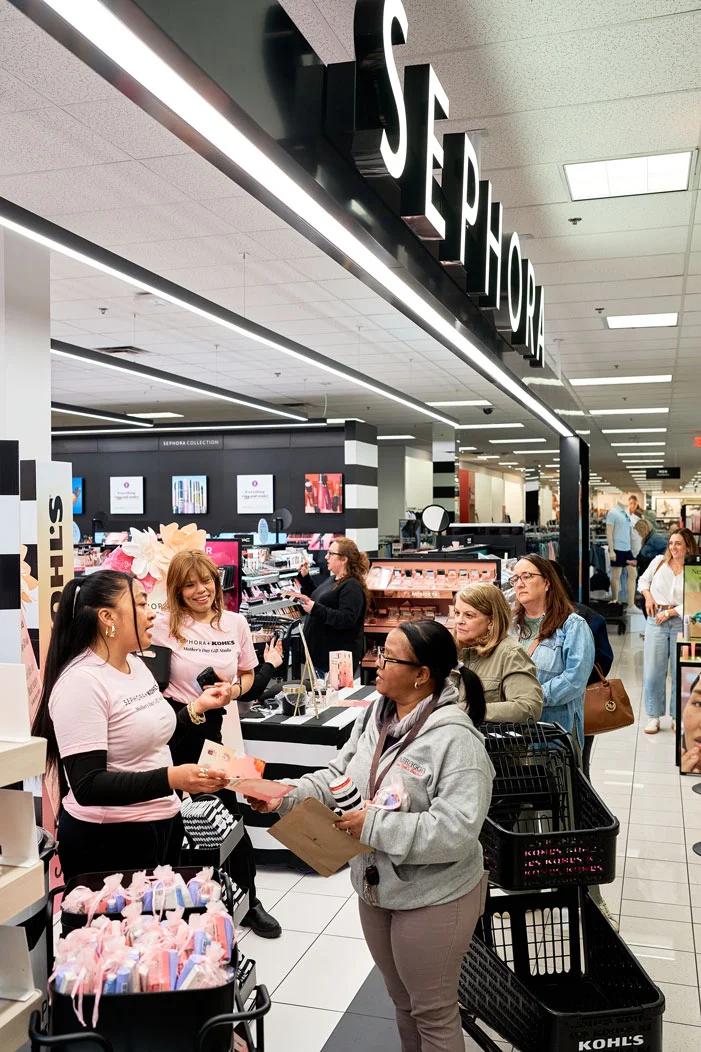
Pop-up shops give brands a controlled, high-impact environment to create exactly the experience they want, without the overhead of a permanent retail footprint. They're particularly effective at generating cultural buzz and urgency, since the limited-run format drives foot traffic that a permanent location rarely replicates. Pop-ups work well for direct-to-consumer brands building physical touchpoints and for established retailers looking to reach new audiences in new contexts.
Best use case: Brands launching new product lines, entering new geographic markets, or creating a cultural moment around a specific occasion.
Digital and Social Activations
Digital and social activations extend the reach of a brand experience well beyond any single location or event. When the creative prompt is right, something audiences genuinely want to engage with and make their own, the organic content that follows carries a level of peer credibility that paid media simply can't replicate.
Best use case: Brands with distributed audiences, limited event budgets, or goals that require national or global scale.
Trade Show and B2B Activations
B2B buyers respond to experience just as much as consumers do. An interactive booth that lets a prospect engage hands-on with a product or technology creates a far stronger impression than a standard display and brochure. Exclusive networking events, live product demonstrations, and immersive booth designs all function as brand activation tools in professional environments.
Best use case: B2B brands looking to stand out on a crowded show floor and create memorable interactions with high-value prospects.
What Makes a Brand Activation Work (and What Makes It Fail)
Understanding why activations succeed or fall flat is just as valuable as knowing how to build one. Here are the factors that consistently separate effective brand activation work from wasted spend.
What Makes It Work
- The activation feels like a natural extension of what the brand stands for
- Meets people where they actually are in their lives, not where marketers assume they are
- Frictionless by design, effortless to engage with from the first moment
- Trained, enthusiastic brand ambassadors whose energy and knowledge shape the entire experience
- Engagement quality and downstream behavior: lead captures, redemption rates, repeat purchase
- A clear path to the next touchpoint so the experience doesn't end when the event does
What Makes It Fail
- Disconnected from brand values, leaving consumers confused about what the experience has to do with the product
- Wrong venue or context, if your audience isn't there or doesn't feel comfortable, nothing else matters
- Overcomplicated experience with too many activities, messages, and asks. Simplicity consistently outperforms complexity
- Poor logistical execution, a strong concept delivered badly, reflects badly on the brand
- Foot traffic and attendance numbers that look good in a report, but don't tell you whether the activation actually worked
- No call to action, participants leave with a memory, but no reason to take the next stepWorking with professional brand activation agencies can help you avoid these costly mistakes and get it right the first time.
Brand Activation Across Multiple Markets and Audiences
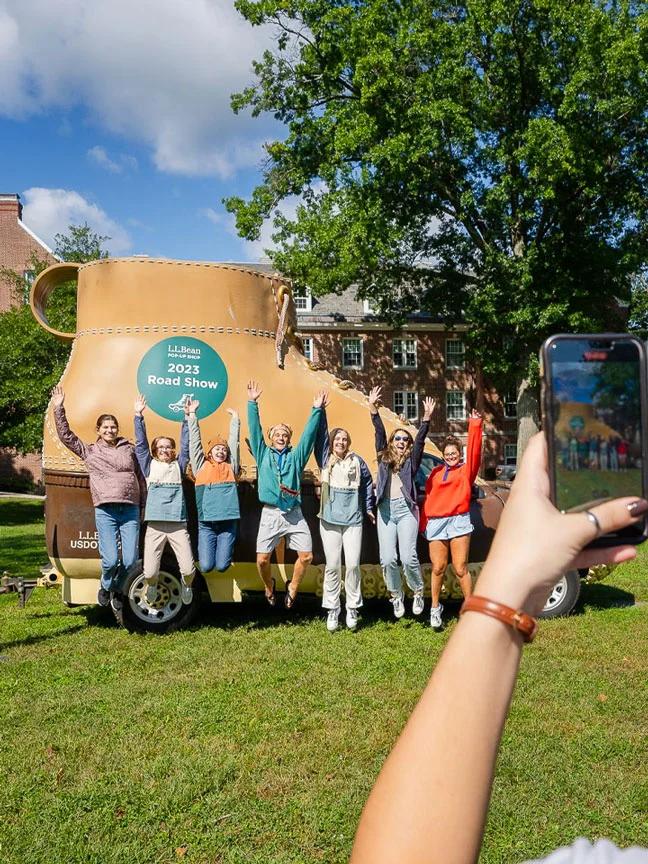
Newbridge partnered with L.L.Bean to launch mobile pop-up shops across college campuses and nearby towns, creating engaging shopping experiences that drove sales and deepened the brand's connection with a new generation of consumers. That program illustrates one of the core principles of multi-market activation: a modular framework that maintains a consistent brand experience while allowing meaningful local adaptation.
The tension in any multi-market program is between consistency and relevance. The brand's core identity and activation mechanic should remain constant. What adapts is the context, the specific location, the local partners, the cultural references, and the way staff communicate in that market. A college campus activation requires a different tone and energy than an activation in a suburban retail environment, even if the underlying brand experience is identical.
Several factors determine whether a multi-market activation holds together:
- A clearly documented activation playbook that captures the non-negotiables and the adaptable elements
- Local ambassadors and community partners who lend credibility and a genuine connection in each market
- Scalable logistics, staffing pipelines, supply chains for sampling or product distribution, and venue selection criteria that can be applied consistently across markets
- A unified measurement framework that captures the same data points in every location, so that results can be compared meaningfully
Brands moving from a single activation into a national program should resist the temptation to customize everything for every market. The goal is a core experience that travels well and a supporting layer that makes it feel local.
How to Measure the Success of Your Brand Activation
Measurement should be designed before an activation launches, not assembled after the fact from whatever data is available. The strongest measurement frameworks cover three distinct tiers.
Tier 1- Reach and Exposure: Attendance, impressions, social mentions, and earned media value.
- These metrics capture the scale of the program and are useful for benchmarking and reporting reach to stakeholders. They are the starting point, not the finish line.
Tier 2 - Engagement Quality: Dwell time, participation rate, samples distributed, user-generated content volume, and email or data captures.
- These metrics tell you whether people actually engaged with the experience or simply passed through.
- A high attendance number paired with low engagement quality is a signal that the activation mechanic needs work.
Tier 3 - Business Outcomes: Sales lift in the activation geography; redemption rates for offers distributed at the event; website traffic spikes; and repeat purchase rate among participants, tracked over a 30-, 60-, and 90-day window post-activation.
- These are the metrics that connect brand activation campaigns to real business performance and justify continued investment.
The most common measurement mistake is treating reach as a proxy for success. Reach metrics are easy to gather and easy to present in a report, but they do not tell you whether the activation changed behavior. A brand activation strategy that is genuinely working shows up in Tier 2 and Tier 3 data: people engaged, people converted, and people came back.
Digital activations make some of this tracking more straightforward, since click-through rates, content engagement, and conversion paths can be measured directly. Physical activations require more intentional data collection design, redemption codes, post-event surveys, and CRM integration. Still, the data is equally available to brands willing to build the infrastructure before launch day.
Ready to Build an Activation That Actually Delivers?

The brands that win in the market aren't the ones with the biggest budgets; they're the ones that create moments people actually remember. A well-built activation strategy is how you get there: genuine participation, emotional connection, and measurable results that hold up long after the event ends.
At Newbridge Marketing, we've spent 20+ years designing and executing brand activations across every format and category, from mobile sampling tours that reach college campuses nationwide to pop-up programs that drive measurable sales lift for national retail brands. We've been named to the 2025 Chief Marketer Top Agencies list and the 2025 Event Marketer IT List because we don't just plan experiences, we deliver them, on budget, on brief, and with the data to prove they worked.
What sets us apart is simple: we're an independent agency that brings strategy, creative, and execution under one roof. No holding company overhead, no handoffs between disconnected teams, no senior talent on the pitch who disappears once the contract is signed. You get a single, accountable partner who owns the work from brief to build to measurement, and 20+ years of hard-won expertise to back it up.
If you're ready to stop broadcasting and start connecting, let's talk.
Related Content
How to Do a Pop-Up Shop Successfully for Your Brand
A practical guide to planning and executing pop-ups that drive engagement, brand awareness, and ROI.
Newbridge Named One of Chief Marketer’s Top Marketing Agencies for 2025
Celebrating standout work in experiential and college marketing and looking ahead to a big year of growth, creativity, and connection.
Top Back-to-School Marketing Ideas for College Brands
Top back-to-school marketing ideas for college brands in 2026. Learn how move-in week, campus activations, and student ambassadors drive real ROI.