
Why Target College Students for Marketing
5/14/2026
By Lily McDowell
College students represent one of the most valuable audiences a brand can target. During these formative years, students are trying new products, building daily habits, and making independent purchasing decisions for the first time, many of which will stick for life.
With significant collective spending power, strong social influence, and constant digital connectivity, they are both easier to reach and far more responsive to the right message than most brands realize.
Brands that invest in college marketing services and this demographic early are not just gaining customers today; they are building loyalty with tomorrow's high earners.

A Market Worth Understanding
So why target college students for marketing?
- College students represent one of the most concentrated, reachable, and brand-impressionable consumer audiences available, with over 19 million enrolled across U.S. colleges and universities.
- Students are making independent purchasing decisions for the first time, meaning brands aren't competing against existing loyalty; they're establishing it from scratch through smart campus marketing strategies.
- Brand habits formed in college tend to stick. The coffee brand, bank, and streaming service a student adopts at 20 often carry into adulthood, making early brand-loyalty marketing a long-term revenue strategy.
- A customer acquired at 20 generates dramatically more lifetime revenue than one acquired at 40 — same acquisition cost, vastly different returns.
- College campuses function as self-contained social ecosystems where peer-to-peer marketing and word of mouth travel fast, organic amplification that paid advertising simply cannot replicate.
- Today's students are digitally native, fluent in the platforms brands are still mastering, making Gen Z digital marketing both more accessible and more unforgiving of inauthenticity.
Winning this audience requires authenticity, platform-specific content strategy, and a genuine understanding that not all college students are alike. Knowing exactly who you're targeting is half the battle.
What the Data Shows: Why Target College Students for Marketing
Marketing to college students is not just about reaching young people. It is about precision, timing, and understanding what actually drives this audience to act. When done correctly, brands can secure revenue for years to come. Here’s why:
College Student Market & Accessibility
Most marketers know college students are worth pursuing. Few appreciate just how large and concentrated this market actually is. According to the National Center for Education Statistics, there are over 7,000 colleges and universities in the U.S., representing a vast and concentrated market that brands can strategically target through college student marketing.
This means tens of millions of students are enrolled across those institutions at any given time, many of them living in tight geographic clusters in residence halls, off-campus apartments, campus dining halls, and student unions. That physical concentration alone makes this demographic unusually accessible compared to almost any other consumer group.
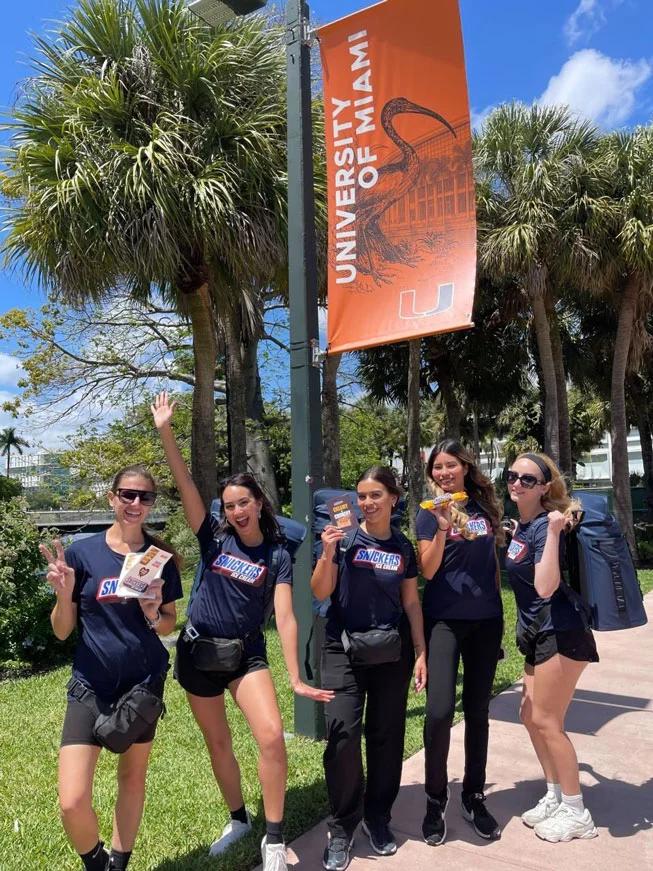
Brands that learn how to target college students for marketing campaigns during these formative years gain a genuine strategic advantage, one that compounds over time as those students graduate, earn, and carry their brand preferences into adult life.
Collective Spending Power
U.S. college students collectively spend hundreds of billions of dollars annually on tuition, housing, food, technology, apparel, entertainment, and personal care. Even students managing tight budgets still make consistent purchasing decisions across dozens of categories every month. According to the Bank of America, Gen Z’s global spending is expected to reach $12.6 trillion in 2030, up from $2.7 trillion in 2024.
With over 19 million students enrolled in U.S. colleges and universities, and average annual discretionary spending in the hundreds of billions, the college market represents one of the most concentrated consumer audiences in the country.
A few reasons this matters for brands:
| Reason | What It Means for Brands |
|---|---|
| Brand-switchable categories | Tuition is fixed, but food, tech, apparel, and personal care are all open competitions waiting to be won. |
| Spending that builds habit | The same purchases, every month, for 2–4 years. Repetition turns a first purchase into loyalty. |
| A primary market, not a side audience | Most brands underinvest here. At this scale and concentration, that's a strategic mistake. |
| Tight budgets create loyal customers | Students want brands they can trust and stick with. Earn that trust now, keep it as their income grows. |
| A concentrated, reachable audience | Hundreds of billions concentrated in campus ecosystems and shared platforms is highly actionable. |
Reaching Buyers Before Loyalty Forms
College years are when many students open their first credit card, sign their first lease, purchase their first laptop independently, set up their first streaming subscriptions, and buy their first car. Most marketing is about disruption, convincing someone to leave a brand they already trust and switch to yours. That's expensive, slow, and often unsuccessful. The college market removes that problem entirely.
Students aren't switching from a competitor. They're choosing for the first time, and that first choice tends to last. The brand that wins a "first" in any major category has a powerful psychological and behavioral advantage.
- You're not competing, you're establishing: First-time buyers haven't chosen a competitor yet. No switching cost, no entrenched habit, just an open decision waiting to be won.
- The first choice becomes the default: Consumers rarely re-evaluate everyday purchases once a preference is set. Win first and you inherit the repeat, the renewal, and the upgrade.
- The categories are high-value and long-duration: Banking, insurance, personal care, software, and apparel. These aren't impulse buys, they're recurring relationships. Getting in first means getting paid repeatedly.
For brands, that changes the ROI calculation entirely. You're not paying to overcome existing loyalty, you're paying to create it at the lowest possible resistance point in a consumer's entire purchasing lifecycle.
The Lifetime Value Advantage
The college years represent a narrow yet critical window for building brand relationships. When students leave home, they shed purchasing habits shaped by their parents and begin making decisions based on their own preferences, budgets, and values. This moment of independence is exactly when brand impressions stick.
The lifetime value calculation makes this concrete. A customer acquired at age 20 who remains brand-loyal for even 25 to 30 years generates far more revenue than a customer acquired at 40 with a shorter horizon ahead. And because habits formed during this period tend to persist, the cost of that early acquisition gets spread across years of repeat purchases.
Peer Influence and Word-of-Mouth
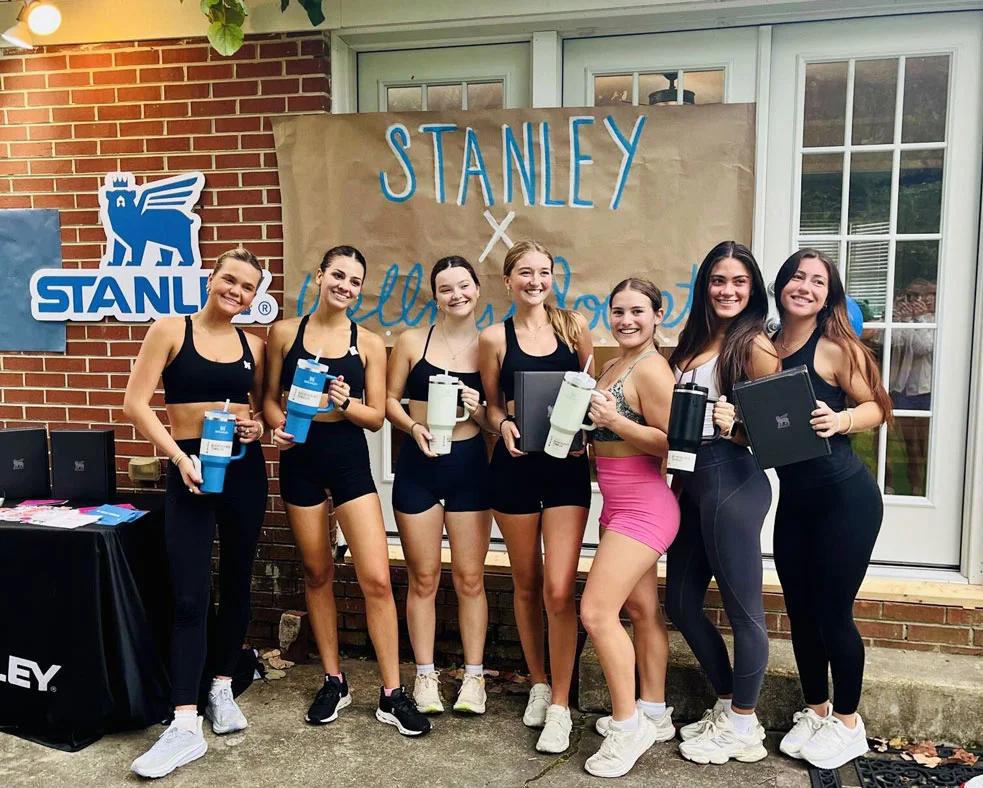
College campuses function as self-contained social ecosystems. Students share physical space in ways that adults in dispersed suburban or urban environments simply do not. When a brand resonates with students in a dining hall, a student union, or a residence hall lounge, the organic amplification that follows is nearly impossible to engineer in any other setting. Peer-to-peer recommendations carry credibility that paid impressions cannot buy, and on campus, those recommendations travel fast.
Built on Digital
Today's college students have grown up with smartphones, social media, and on-demand everything. They are fluent in the platforms and formats that brands are working to master, making them both a target audience and a signal for where broader consumer behavior is heading.
According to Statista, adults aged 18–24 in the U.S. spend an average of 186 minutes (over 3 hours) per day on social media platforms. The platforms brands are working to master are simply where this audience already spends their time. This allows campaigns to land faster, more naturally, and at lower friction than with almost any other demographic.
- Student habits become brand loyalty: The formats and platforms that resonate with college students today will define mainstream consumer behavior in 3–5 years.
- This audience amplifies faster than any other: In a digitally native audience, a resonant campaign doesn't stay on campus. It travels. The virality potential of a well-executed college activation is higher than virtually any other demographic you can target.
- Digital routines formed now last well beyond graduation: The apps, brands, and services woven into a student's daily digital routine in college tend to stick around long after graduation, when their income and spending are substantially higher.
What Brands Need to Know Before Marketing to College Students
This audience rewards brands that understand them and penalizes those that don't. Here's what that means in practice.
- Lead with Mobile: If it doesn't work seamlessly on mobile, it's effectively invisible. Students also expect personalization; generic messaging feels lazy to a generation raised on algorithmically curated content.
- Earn Authenticity: Gen Z doesn't just tune out marketing that feels corporate or performative; they push back publicly, and it spreads fast through campus networks and social media. Genuine values, transparent communication, and real stories outperform polished production every time.
- Respect the Budget: The collective spending power is genuine, but individual budgets are constrained. Students respond far better to brands that acknowledge their financial reality than those that seem indifferent to price. Value perception matters here.
- Segment Before You Target: "College student" covers an enormous range of experiences. A first-generation student at a rural community college has different priorities, platforms, and purchasing behaviors than a student at a large urban research university. Know which segment you're actually targeting before building your strategy.
- Master the Platform, Not Just the Presence: Instagram, TikTok, YouTube, and Snapchat each have distinct cultures and content norms. Repurposing the same content across all four platforms means that you don't understand the audience. Adapt or get ignored.
- Take a Stand, Genuinely: Students actively consider a brand's environmental commitments, labor practices, and social positions. Authentic engagement with issues they care about builds loyalty. Silence, or performative responses under pressure, does the opposite.
- Cut Through the Noise: Students are constantly marketed to on and off campus. The bar for capturing attention on campus has never been higher. Standing out requires genuine creativity, not just a presence.
- Invite Participation: Create challenges, user-generated content, campus events, and ambassador programs. Students want to engage with brands, not be marketed at. The brands winning this demographic clearly understand that distinction.
- Know the Rules: Certain categories, such as alcohol, gambling, and some financial products, face real restrictions on how they can market to students. Beyond legal compliance, this audience also expects brands to respect their data and engage with genuine transparency. Trust, once lost with this demographic, is hard to recover.
Learn more about how to market to college students here.
Measuring ROI When Marketing to College Students

College marketing is chronically undervalued because most brands measure it incorrectly. The metrics that matter for college marketing depend on campaign type, but the most meaningful ones go beyond impressions:
- Brand awareness lift among 18–24 demographic (pre/post campaign surveys)
- Trial and first purchase rate from student-specific offers or sampling programs
- Ambassador content engagement rate vs. brand-generated content benchmarks
- Cost per student acquired (total campaign spend ÷ new student customers)
- Retention rate of student customers 12–24 months post-acquisition
- Social reach and UGC volume generated from campus activations
- Redemption rate on student-specific discounts or offers
The most important shift in measurement mindset: stop evaluating college marketing solely on short-term conversion. The metric that matters most is customer lifetime value initiated; what is this cohort worth over 10, 20, 30 years? Brands that measure only immediate return will always undervalue this channel.
Build Loyalty That Lasts Beyond Campus
Reaching college students effectively isn't just about showing up on campus or running a social media campaign; it requires understanding a sophisticated, skeptical, and highly influential audience on their own terms.
Newbridge exists to help brands do exactly that, and has for over two decades.
With over 20 years of college and experiential marketing expertise, Newbridge brings the strategic depth, creative credibility, and campus-level insight to navigate every complexity this audience presents, from authenticity and segmentation to platform fluency and peer-driven activation.
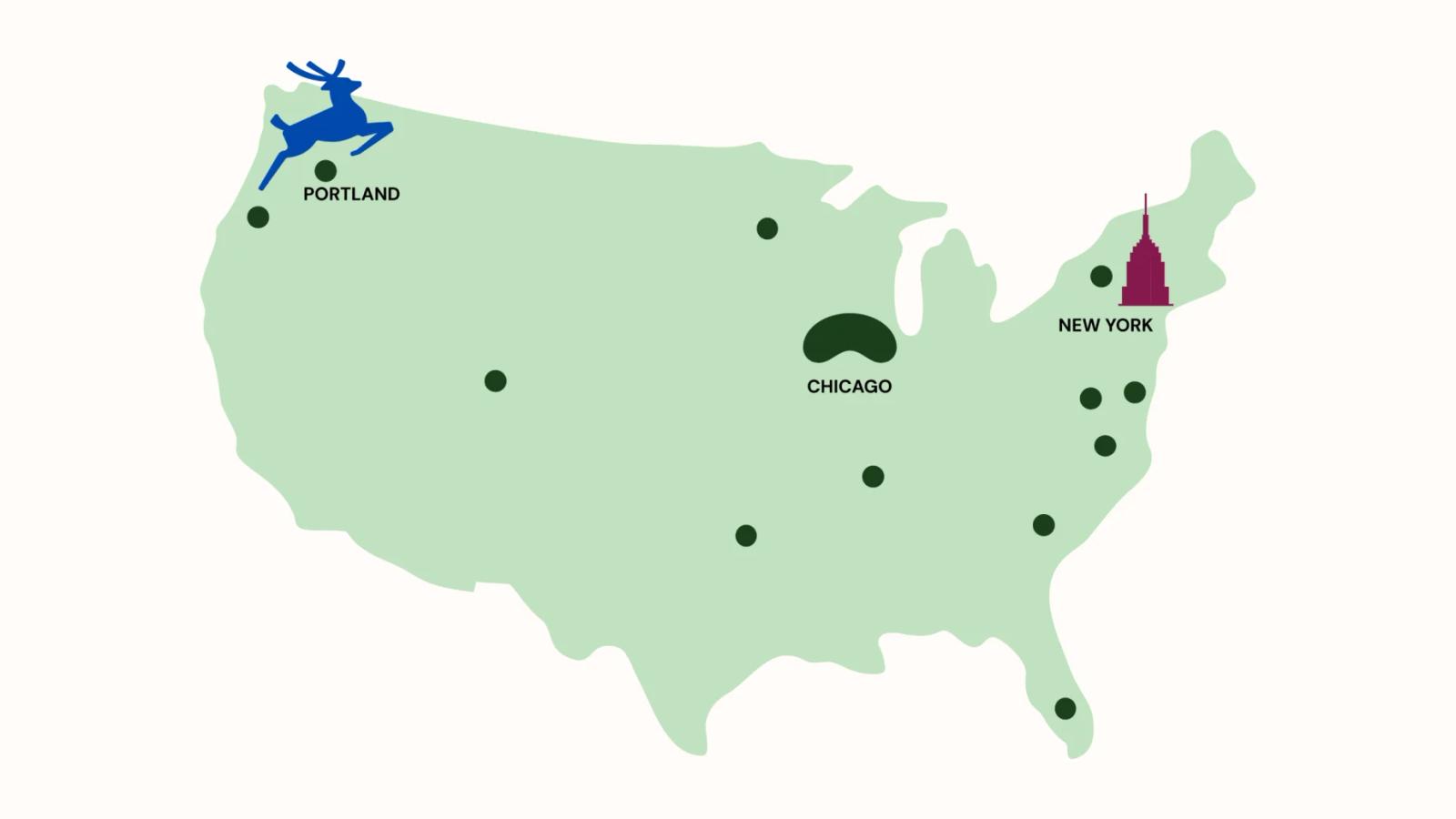
For brands serious about winning this demographic, we can help you cut through the noise and connect with 15M+ U.S. college students in ways that actually stick. Whether you're activating on campus, driving social buzz, or building a full campaign ecosystem, we bring the strategy, creativity, and execution to make it happen.
Ready to reach the next generation of loyal customers? Connect with our team to start planning your next campus marketing strategy.
Related Content
How to Do a Pop-Up Shop Successfully for Your Brand
A practical guide to planning and executing pop-ups that drive engagement, brand awareness, and ROI.
Newbridge Named One of Chief Marketer’s Top Marketing Agencies for 2025
Celebrating standout work in experiential and college marketing and looking ahead to a big year of growth, creativity, and connection.
Top Back-to-School Marketing Ideas for College Brands
Top back-to-school marketing ideas for college brands in 2026. Learn how move-in week, campus activations, and student ambassadors drive real ROI.