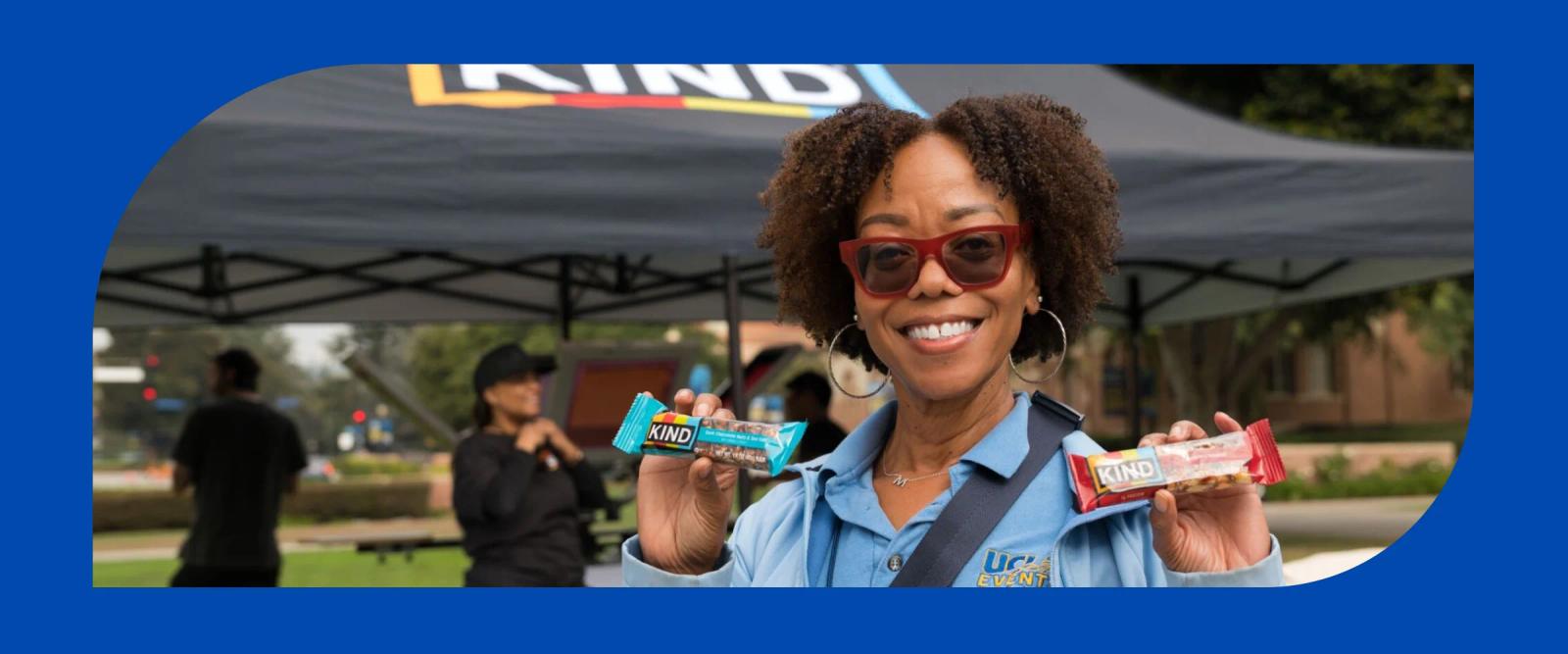
Product Sampling at Events: How to Run a Campaign
4/23/2026
By Lily McDowell
Product sampling at events puts a product in someone's hands at the moment they're most open to trying it. According to Event Marketer's EventTrack 2026 study, 61% of consumers say they're more inclined to purchase a product or service after a live experience, and free samples remain the top reason attendees engage with brands at events.
In our own programs, the numbers bear that out: Newbridge's Jack Link's WILD takeover in Times Square distributed 25K samples to 50K attendees and was followed by a 15% sales surge within two weeks.
As a core part of experiential marketing, sampling puts your product directly in consumers’ hands, creating real-world engagement that often leads to immediate purchase. Brands execute these campaigns across live events, in-store demonstrations, direct mail, subscription boxes, and e-commerce add-ons.
When executed strategically, product sampling doesn’t just create awareness—it drives measurable business outcomes. By combining in-person interaction with targeted distribution and follow-up, brands can turn a single trial moment into long-term customer loyalty. This is especially powerful in competitive categories, where firsthand experience often makes the difference between consideration and conversion.
It works because it:
- Lowers buyer hesitation by allowing customers to assess quality firsthand
- Drives repeat purchases by turning first-time users into loyal customers
- Enables precise targeting, making it especially effective for new product launches
What is Product Sampling At Events?
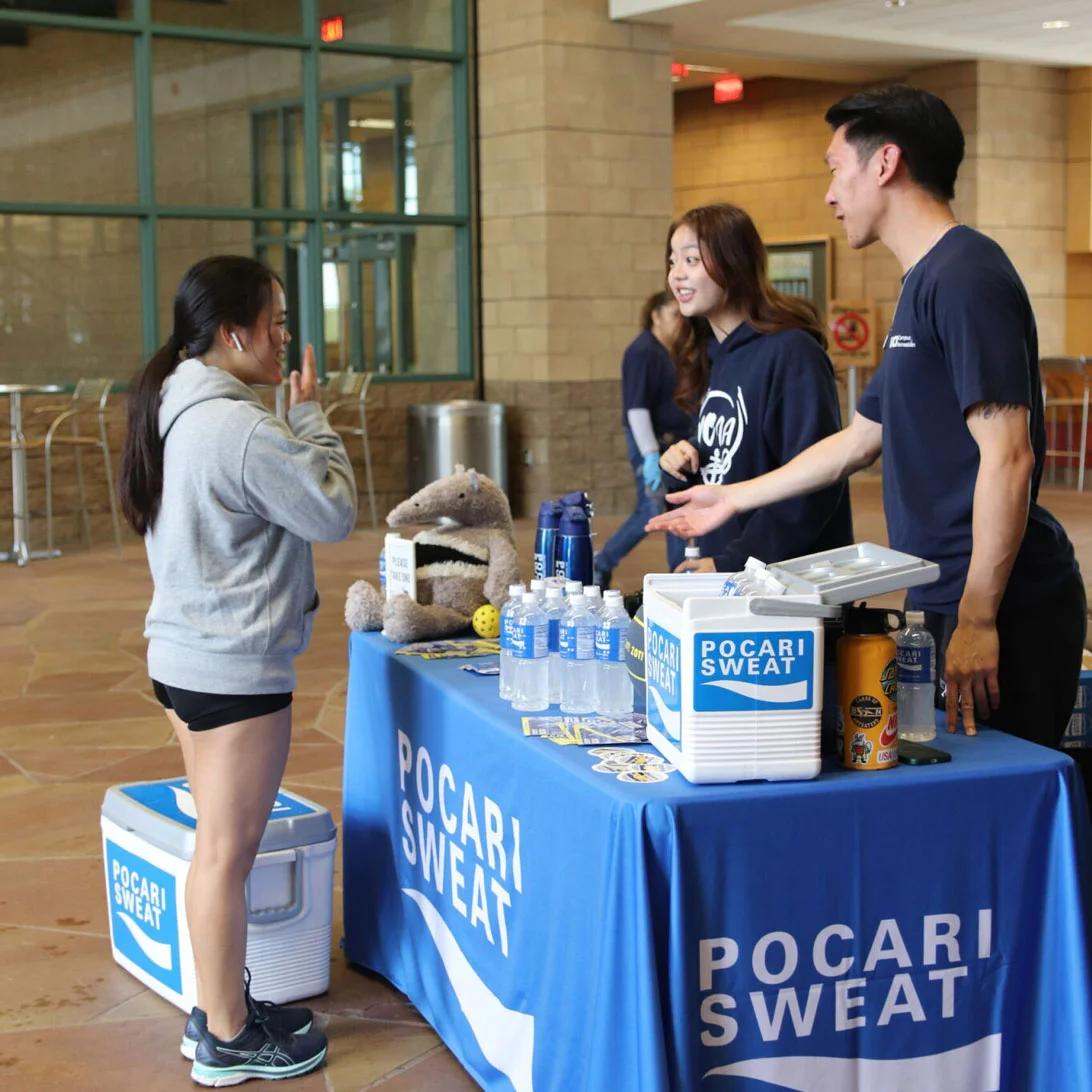
Product sampling is a brand-activation strategy in which companies distribute free samples directly to consumers in live, face-to-face environments. These interactions turn passive audiences into active participants who can taste, touch, or experience a product before making a purchase decision.
This sampling marketing strategy can take many forms, including festivals, trade show booths, farmers’ markets, sporting events, and retail environments. What unifies these formats is direct human interaction between the brand and its audience. Unlike digital advertising, event sampling creates a tangible, memorable product experience.
What Product Sampling Looks Like in Practice
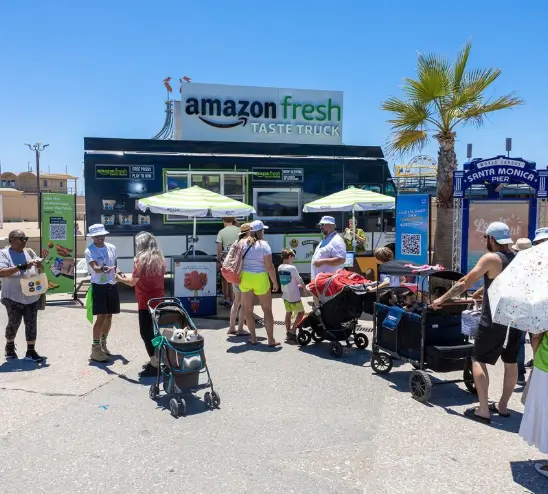
10-stop Southern California food truck tour sampling four Unilever ice cream varieties at high-traffic events and retail locations.
- 7x projected return on marketing investment (ROMI)
- 108K event and mileage impressions
- 70K samples distributed
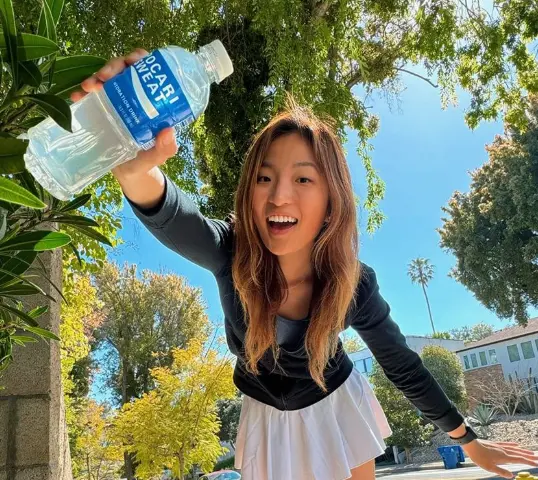
Statewide California sampling program targeting active consumers at "moments of sweat," anchored by a custom sampling van and student ambassador team.
- 408K impressions
- 137K samples distributed
- 13.5% average student ambassador engagement rate
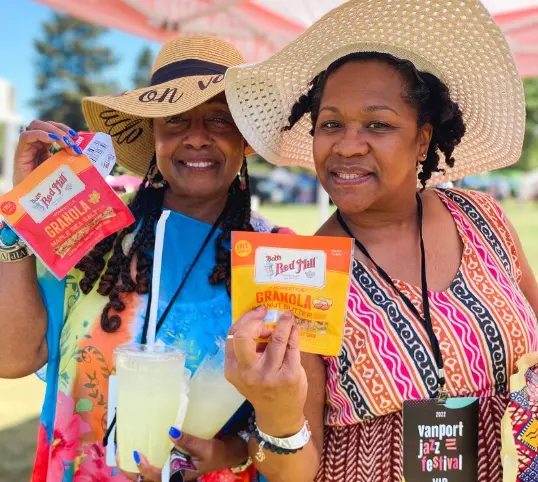
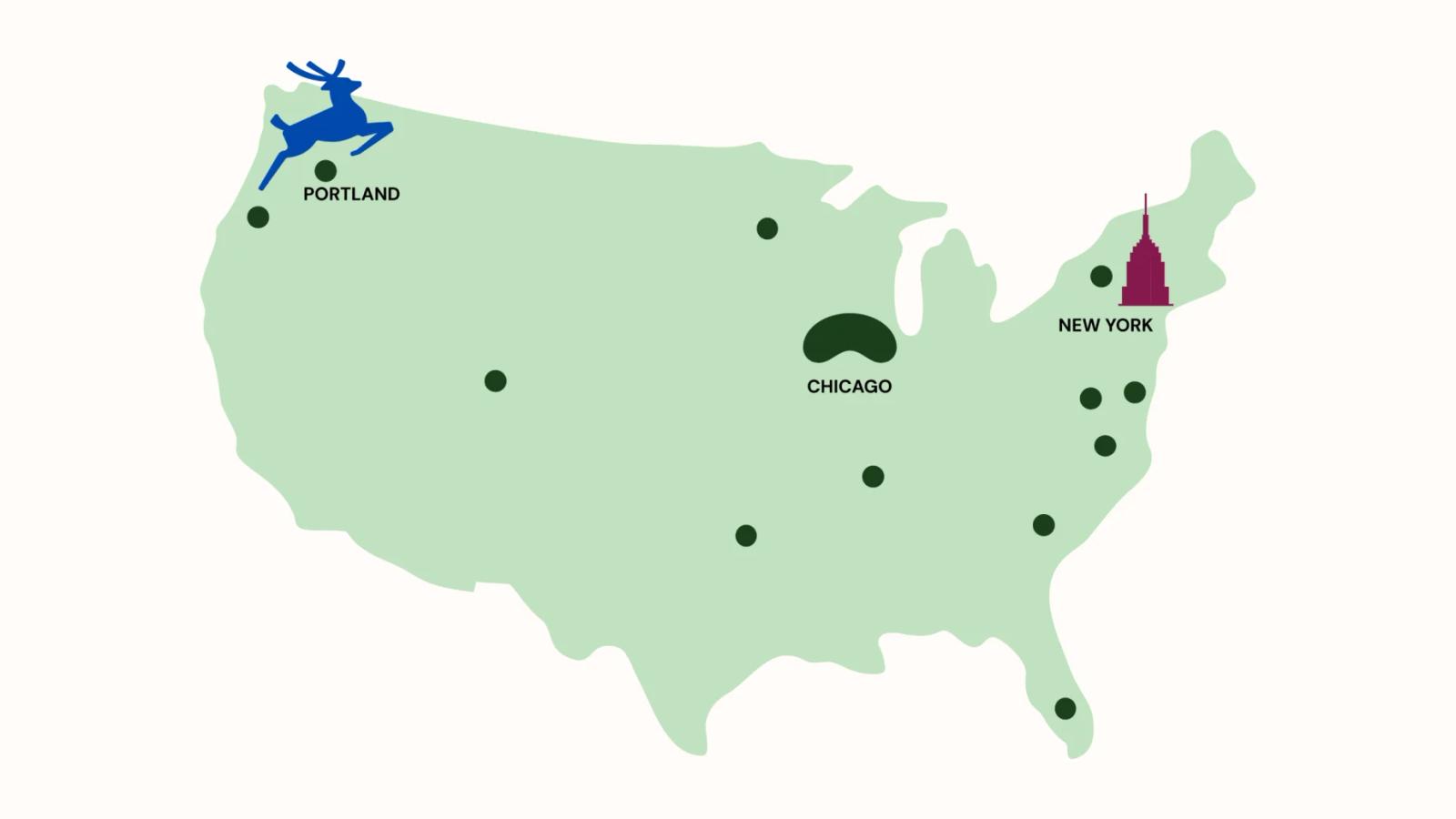
Three-month nationwide food truck tour hitting festivals, farmers markets, campuses, and retail locations across 30 states.
- 850K vehicle impressions
- 286K samples and premiums distributed
- 30 states visited
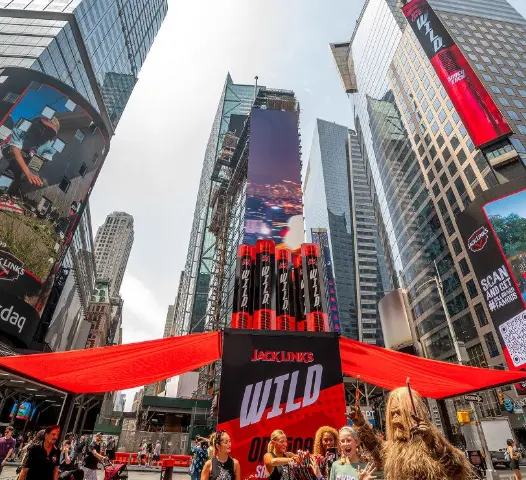
High-energy Times Square takeover targeting Gen Z, integrated with a social media lead-up campaign.
- 215K event impressions
- 50K event attendance
- 25K samples distributed
- 22MM digital billboard impressions
- 15% sales surge within two weeks
Key Benefits of Product Sampling
These results reflect benefits that play out consistently across all categories and formats, making sampling a reliable strategy for both emerging and established brands.
Immediate Trial and Conversion
Sampling removes the biggest barrier to first purchase: uncertainty. When a consumer tries a product and likes it, the path to purchase shortens dramatically.
Social Amplification
According to McKinsey's 2025 State of the Consumer report, 32% of consumers now use social media for product research, up from 27% in 2023. When someone posts a photo or story of your product at a festival, your brand reaches their entire network organically.
Real-Time Consumer Feedback
Sampling events give brands an unfiltered read on consumer reaction. Staff can observe expressions, hear objections, and ask direct questions.
Brand Awareness and Recall
Studies consistently show that physical brand interactions produce stronger recall than digital impressions alone. Pairing the sample with a conversation, branded packaging, or an experience compounds that effect.
How Product Sampling Works
Planning an effective product sampling campaign requires more structure than most brands expect. Here's how the process typically unfolds from start to finish.
- Define your objective: Are you driving product trial, supporting a launch, or collecting feedback? Your goal shapes every other decision.
- Choose the right events: Match your audience profile to the event type — consumer, B2B, fitness, food, etc.
- Design the sampling experience: Determine how the sample is presented, what materials are included, and how the interaction will flow.
- Staff and train your team: Brand ambassadors should have strong product knowledge and a clear call to action.
- Capture consumer data: Use QR codes, coupon tracking, and surveys to collect insights and build your CRM.
- Measure and optimize: Track conversions, social mentions, and redemption rates to refine future campaigns.
How to Maximize Your Product Sampling Impact
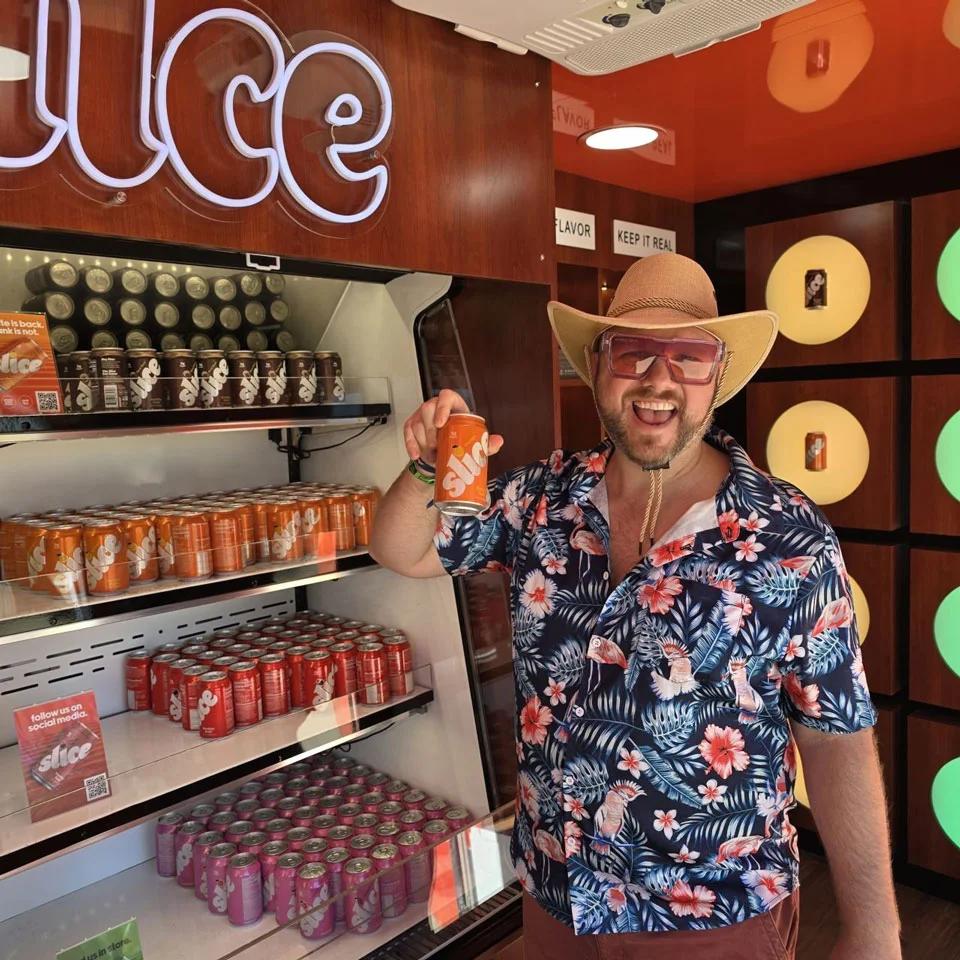
- Target the Right Crowd: Offer samples where your ideal customer already is: festivals, conferences, and sporting events.
- Create a Memorable Experience: Go beyond the sample with interactive or guerrilla-style activations that stand out.
- Invest in the Right Staff: Trained brand ambassadors drive meaningful conversations and clearly communicate product value.
- Incentivize Immediate Action: Pair samples with discounts, QR codes, or gift-with-purchase offers to encourage on-the-spot conversion.
- Capture Data: Collect feedback on the spot to fuel future marketing decisions.
- Plan for Follow-Up: Re-engage with samplers post-event to turn first-time users into repeat customers.
- Choose the Right Event Types: Use festivals and concerts for scale, trade shows for targeted reach, sporting events for active audiences, and street activations for everyday discovery.
- Focus on High-Impact Execution: Prioritize products that are easy to trial, create strong sensory experiences, and measure success through engagement, conversion, and data capture.
What Drives the Cost of a Product Sampling Campaign?
The cost of a sampling campaign depends less on the samples themselves and more on how you get them to the right people. The main cost drivers are:
- Format: a single-event footprint, a multi-city mobile tour, or a campus program
- Staffing: number of brand ambassadors, hours, and training
- Logistics: vehicle or footprint build, refrigeration for perishables, permits and venue fees
- Product volume: samples and premiums distributed
- Measurement: data capture, digital follow-up and sales tracking
The main caveat: a lower cost per sample isn't the goal on its own. Sampling the wrong audience at scale costs more in the end than sampling the right audience at a smaller volume.
Best Practices
Knowing how to plan an effective product sampling campaign means going beyond logistics. These practices separate the best brand activations at events from forgettable ones.
- Lead with your best product. Don't use sampling to move slow inventory. Put your strongest product forward; the one most likely to create an instant fan.
- Give staff a script and freedom. A tight opening line helps, but rigid scripts make interactions feel transactional. Train staff on key messages, then let them have real conversations.
- Pair samples with a next step. A sample alone doesn't close the loop. Include a coupon, a QR code to your website, or a clear retail location callout to your product sampling strategies.
- Match the environment. Serve hot soup samples at winter markets. Offer cold drinks at summer festivals. The sample should feel like a natural fit for the moment.
- Coordinate with retail. If your product is available nearby, make sure stores are stocked before and during the event. In-store sampling opportunities are strongest when consumers can act on their interest immediately.
Common Mistakes to Avoid
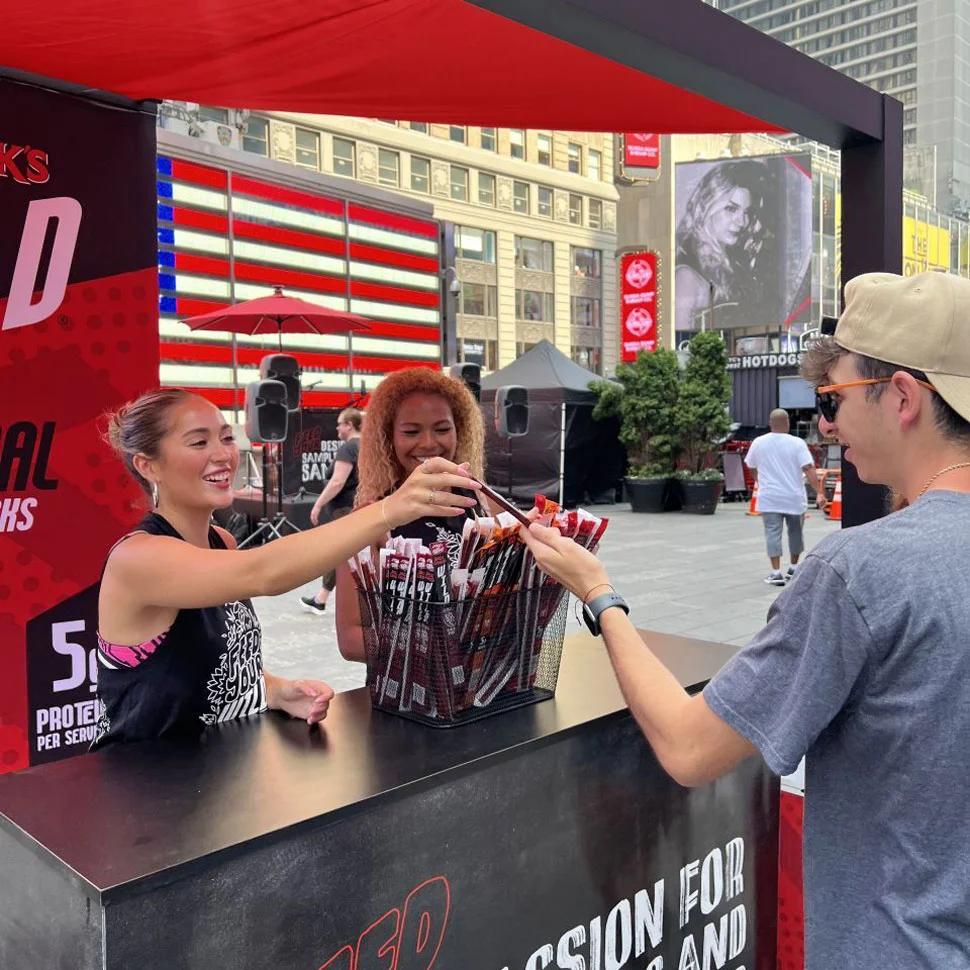
Even well-intentioned sampling activations fail when these pitfalls go unaddressed.
- Choosing Quantity Over Fit: Brands prioritize high foot-traffic events without evaluating audience alignment. Vet events based on audience profile, not just attendance numbers.
- Skipping Post-Event Follow-Up: Heavy focus on event execution with no post-event strategy in place. Build a follow-up plan in advance (email, retargeting, or retail partnerships).
- Understaffing the Activation: Underestimating staffing needs for peak traffic periods. Staff for peak traffic, not averages—long wait times can damage brand perception.
- Neglecting Compliance Requirements: Regulatory requirements vary by location and are often overlooked. Research permits and compliance requirements early, especially for regulated products.
- Failing to Measure Performance: KPIs aren't defined in advance, making results difficult to measure. Define measurable goals before the event and track conversions, redemptions, and engagement.
Ready to Turn Samples Into Sales?
Sampling campaigns are one of the most direct ways to convert strangers into loyal customers, but only when they are executed with the right partners, strategy, staff, and follow-through. The brands that win aren't just handing out freebies; they're creating unforgettable moments.
Newbridge Marketing is one of the top national experiential marketing agencies, with over 20 years of experience in experiential brand activation services and college marketing solutions. From creating the perfect events for your target audience to brand ambassador event staffing, we handle every detail of your sampling activation so you can focus on what matters most: growing your business.
Whether you're launching a new product, breaking into a new market, or simply getting your product into more hands, Newbridge's experiential marketing services are built to deliver measurable results.
Get expert marketing campaign management today.
FAQs
What Is a Sampling Campaign?
A sampling campaign is a planned program that gets free or trial-size product into the hands of a specific audience, at events, in retail, on campus, or through a mobile tour. It's built around a goal like trial, launch awareness, or sales lift, and measured against it.
What Is an Experiential Sampling Roadshow?
An experiential sampling roadshow is a mobile tour that takes a branded vehicle or footprint to festivals, campuses, retail locations, and events across multiple markets. For example, Bob's Red Mill's nationwide food truck tour distributed 286K samples and premiums and generated 850K vehicle impressions.
How Is Event Sampling Different From In-Store Sampling?
In-store sampling reaches shoppers at the point of purchase. Event sampling reaches people when they choose to be there, so you have more time to tell the brand story and capture data for follow-up. Many programs use both.
How Do You Measure the ROI of Product Sampling?
Set the metric before the first sample goes out: samples distributed, engagement or data capture rate, redemption of a follow-up offer, and sales lift in the surrounding markets. Amazon Fresh's Southern California sampling tour, for example, delivered a projected 7x return on marketing investment.
What Makes Product Sampling Campaigns Fail?
The most common failure points are the wrong audience, the wrong moment and no follow-up. A sample handed to someone who will never buy the category is wasted, and a sample with no next step (an offer, a store locator, a QR code) is hard to tie back to sales.
Related Articles
Related Content
How to Do a Pop-Up Shop Successfully for Your Brand
A practical guide to planning and executing pop-ups that drive engagement, brand awareness, and ROI.
Newbridge Named One of Chief Marketer’s Top Marketing Agencies for 2025
Celebrating standout work in experiential and college marketing and looking ahead to a big year of growth, creativity, and connection.
Top Back-to-School Marketing Ideas for College Brands
Top back-to-school marketing ideas for college brands in 2026. Learn how move-in week, campus activations, and student ambassadors drive real ROI.