How to Engage Gen Z with Live Experiences
6/05/2026
By Lily McDowell
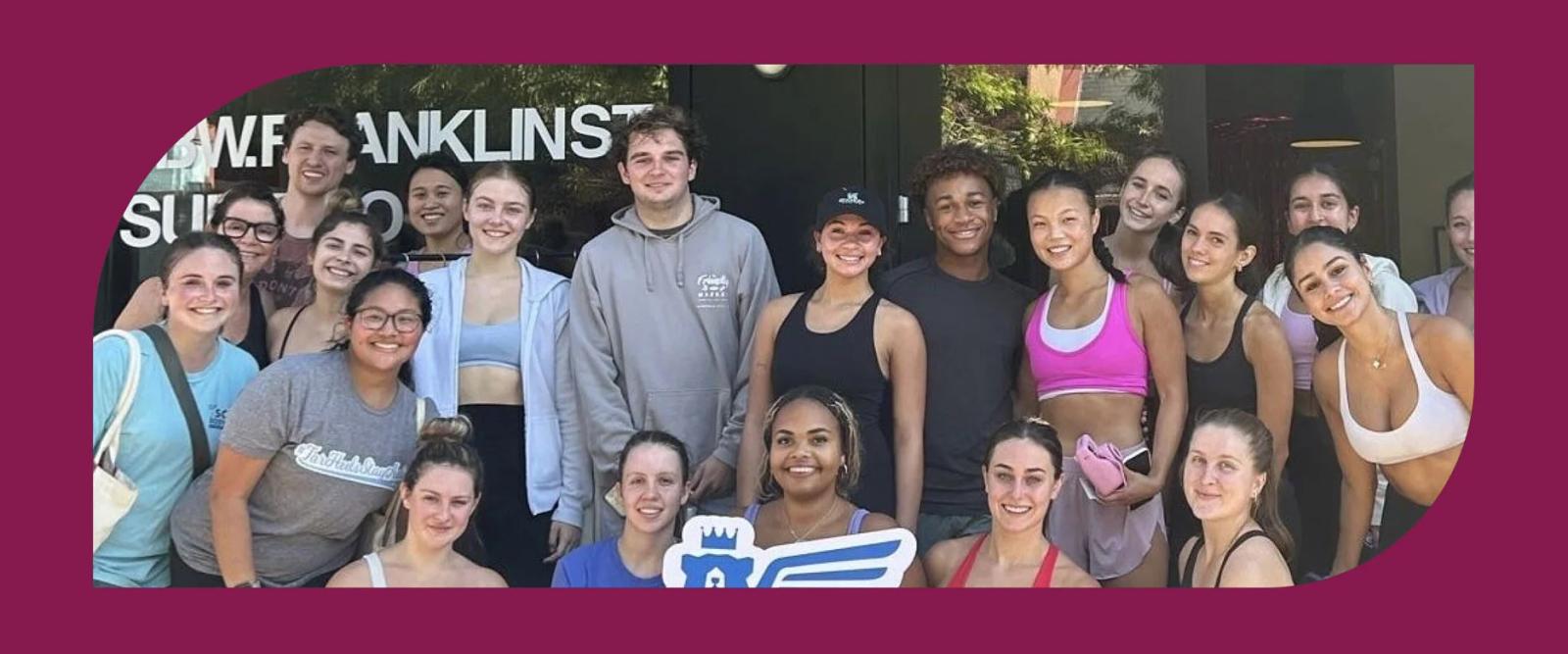
Getting Gen Z to attend live events isn't the challenge most brands think it is.
This generation actively seeks out experiences, from festivals and pop-ups to campus activations and community-driven events. The real challenge is creating something they'll actually engage with once they're there.
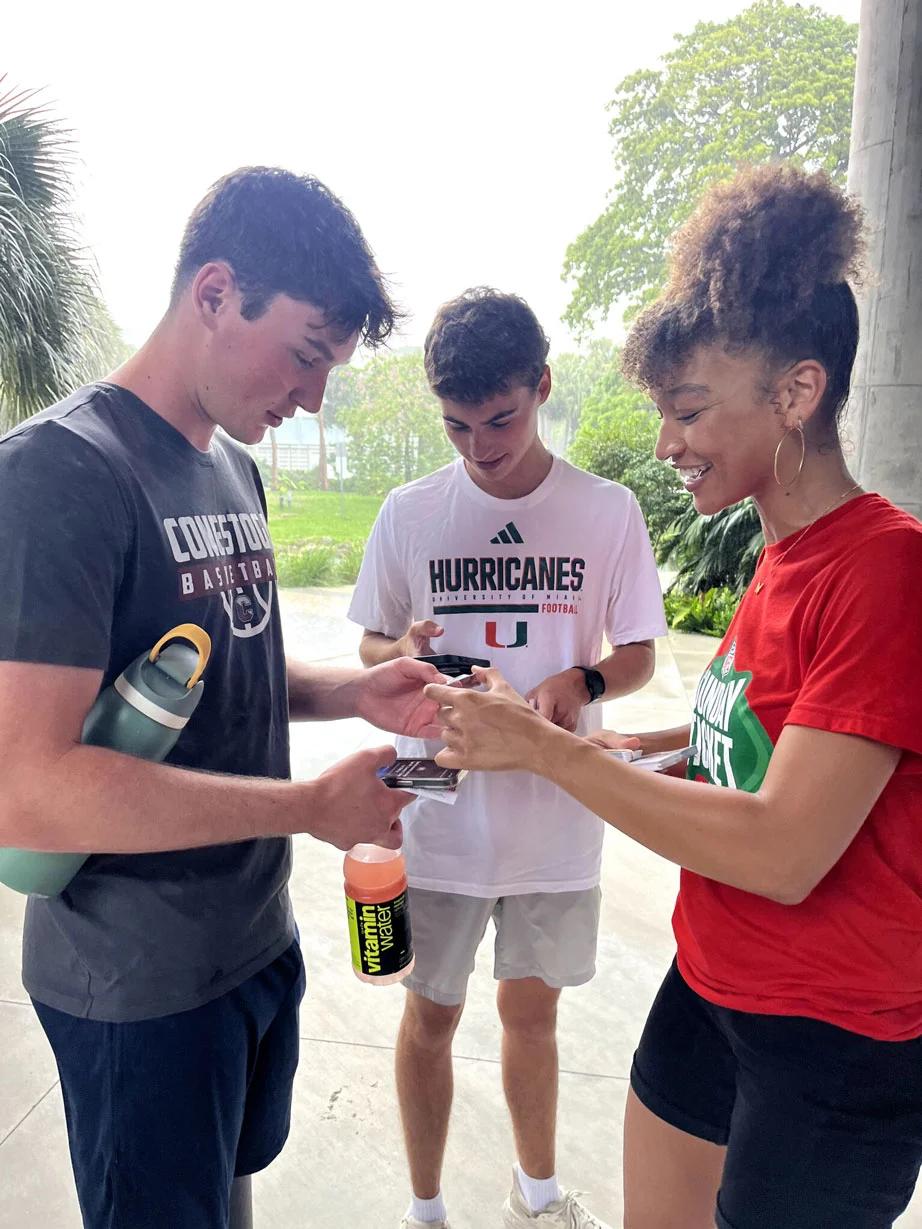
Gen Z wants experiences that invite participation, reflect their values, and give them something worth sharing. The events that resonate most don't treat attendees as passive observers—they give them a role in the experience.
Eventbrite's 2026 Social Study Report found that 79% of 18- to 35-year-olds plan to attend more live events this year. Keeping them there, and turning that presence into genuine brand engagement, is where most experiential marketing activations fall short.
That means designing for participation instead of passive observation, showing up where they already spend time, building shareability into the experience, and aligning with values they can see in action. It also means measuring success beyond attendance, from registration sources to long-term community retention.
Understanding what drives that engagement starts with understanding how Gen Z approaches experiences differently than previous generations.
What Makes Gen Z Different From Every Audience Before Them
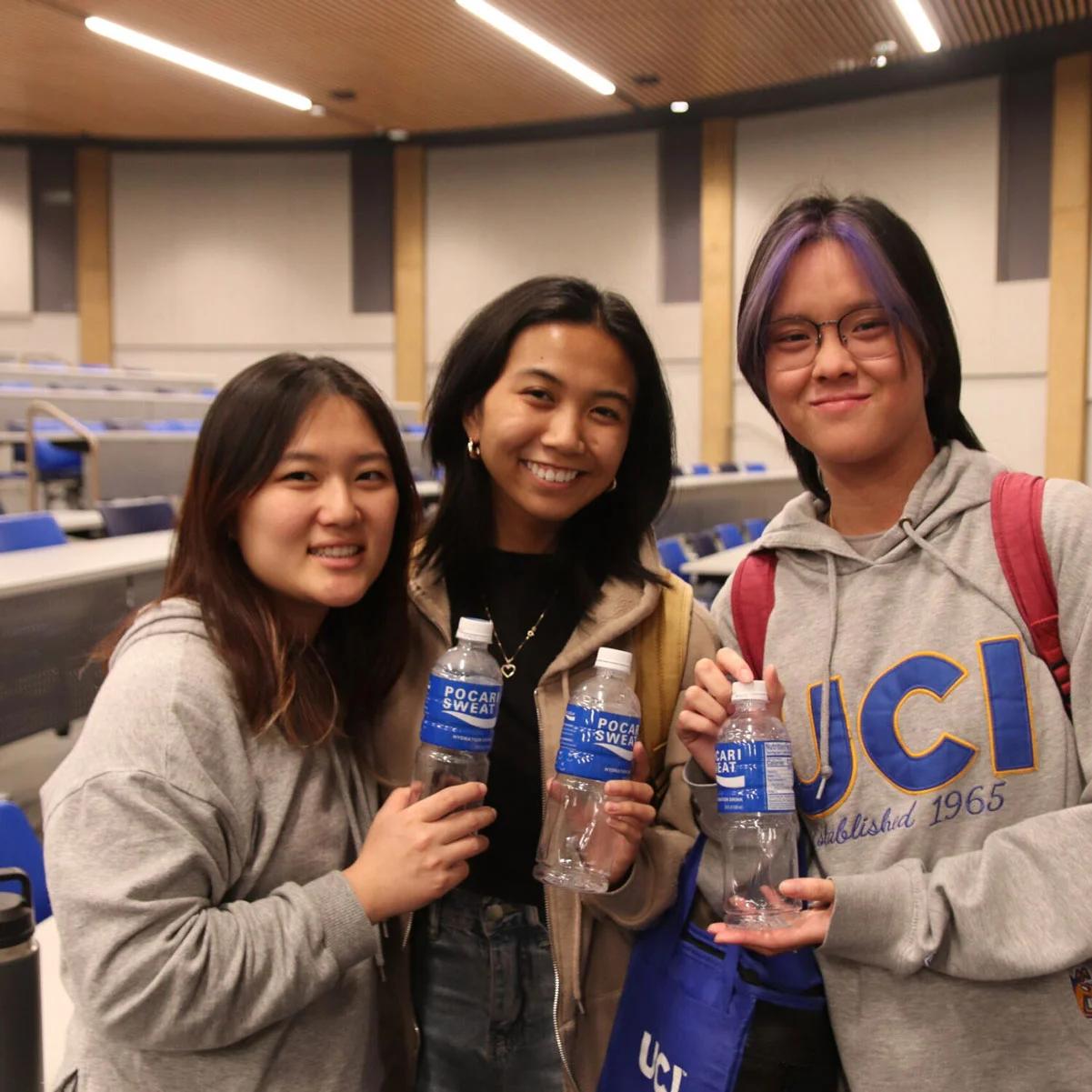
Born between 1997 and 2012, Gen Z is the first generation to grow up fully immersed in a digital world. Their perspectives have been shaped by smartphones, social media, and major global events ranging from a pandemic to economic uncertainty and growing concerns around climate change. Successfully marketing to Gen Z starts with understanding the experiences and influences that have shaped them.
Gen Z doesn't lack focus; they have a highly calibrated filter for inauthenticity. When something feels real, relevant, or values-aligned, they engage deeply. When it doesn't, they move on in seconds.
They are values-driven consumers who expect brands to hold positions on social and environmental issues. They are also highly community-oriented, making peer credibility far more powerful than brand messaging. As the most racially diverse generation in U.S. history, they notice immediately when the room doesn't reflect that. Representation isn't a bonus feature to them; it's a baseline expectation.
Gen Z represents the largest global consumer class. Their spending power is projected to grow from $2.7 trillion in 2024 to $12.6 trillion by 2030, according to a Bank of America Institute report.
Perhaps most importantly for event designers, Gen Z has an entrepreneurial, co-creative mindset. They don't want to be handed an experience. They want to help shape it.
Where Gen Z Discovers Events
Knowing how to market to Gen Z starts with understanding where they discover events and where they actually spend their attention. The answer is not a single platform; it's a layered ecosystem of social content, peer networks, and creator-driven discovery.
- Social media is the primary discovery engine: 41% of Gen Z turn to social platforms first when searching for information, surpassing traditional search engines (Sprout Social, 2025).
- TikTok and Instagram lead event discovery: TikTok dominates for news and event discovery (63%), with Instagram close behind (62%), while paid ads are largely ignored (Sprout Social, 2025).
- Peer recommendations drive attendance: 60% of Gen Z ticket buyers find events through friends' recommendations, making word-of-mouth the most influential discovery channel (Eventbrite/dcdx, 2024).
- Creator content builds trust: 90% of Gen Z say social content, including influencer posts, has influenced their decisions in the past six months (Sprout Social, 2025).
- Community platforms continue to grow: 63% of Gen Z and Millennials plan to spend more time on community-based platforms like Reddit in the next six months, reflecting the rise of niche, peer-driven discovery (Sprout Social, 2025).
What Successful Gen Z Experiences Have in Common
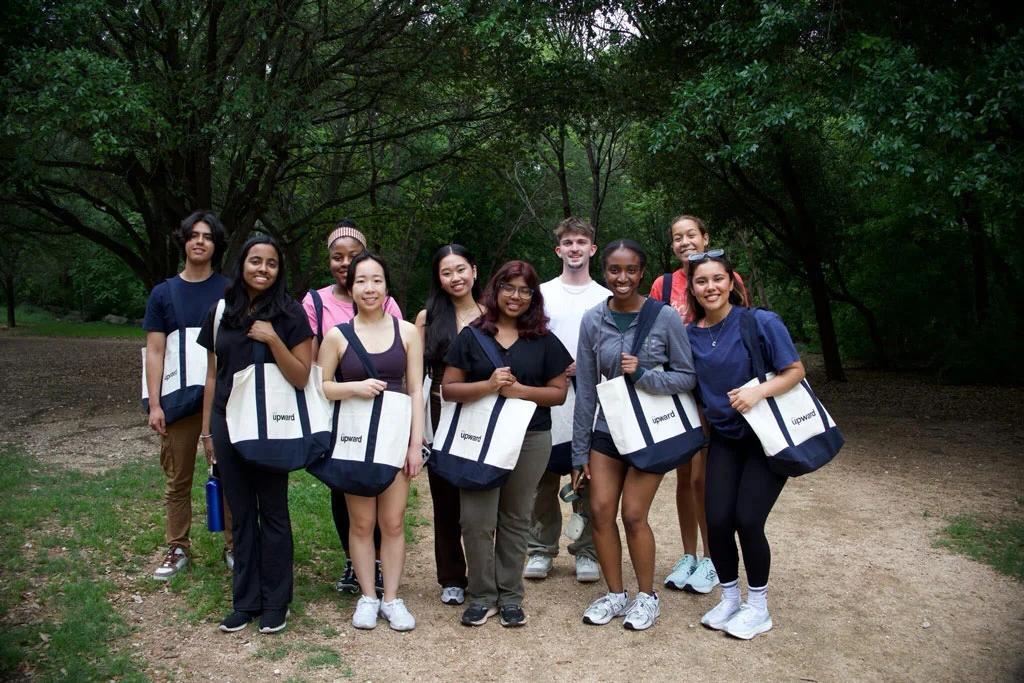
Live events build brand trust with Gen Z in ways traditional advertising simply can't. The Freeman Gen Z Report, powered by Edelman Data and Intelligence, found that 71% of Gen Zers say attending a brand's live event made them trust that brand more.
The most successful Gen Z activations have a few things in common.
Participation Over Passive Observation
Gen Z will disengage from lecture-style programming. Replace panels with workshops. Replace keynotes with live demos and structured Q&A.
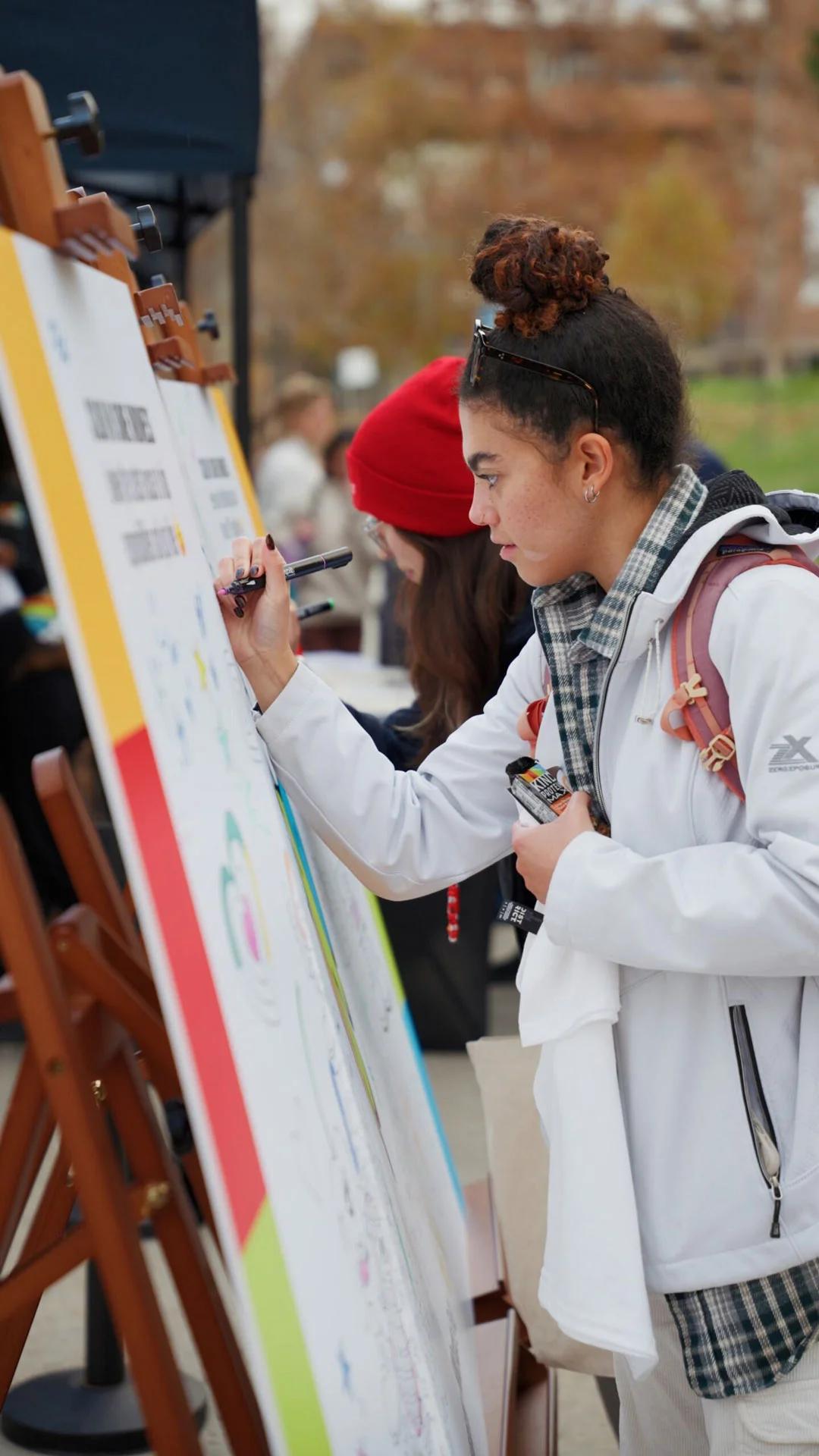
Add DIY stations, collaborative creation moments, and gamified exploration that make attendance active rather than passive. Engaging Gen Z at events means giving them something to do, not just something to watch.
Built-in Shareability
Brand activation ideas like immersive photo moments, activation zones, and exclusive product drops create organic social content and FOMO that extend your event's reach far beyond its footprint.
Authentic Diversity and Inclusion
Diverse speaker lineups, representative entertainment booking, inclusive language in all event communications, and genuine community partnerships, not performative gestures.
Purpose and Values Alignment
Sustainability isn't a differentiator for Gen Z, it's a filter. Low-waste venues, digital ticketing, carbon offsets, and visible integration of social causes signal that your values align with theirs. Mental wellness zones (quiet rooms, grounding stations, on-site resources) are increasingly expected at large-scale events.
Cross-genre Programming
Siloed programming, music only, speakers only, underperforms with this cohort. Mix music, visual art, food, tech, and cultural moments in a single experience. Genre-fluid programming reflects how Gen Z actually consumes culture.
Gamification Mechanics That Hold Gen Z's Attention
Surface-level gamification fails. Student activations that work include FOMO loops with limited-time challenges, leaderboards that tap into Gen Z's comfort with public performance, scavenger hunts that double as foot-traffic drivers, and digital badges that are shareable on social.
For Gen Z, successful gamification feels fun and organic, not branded for the sake of branding.
Influencer Partnerships Built for Co-Creation
Don't treat creators as distribution channels; treat them as collaborators. Invite micro-influencers (10K–100K followers) into the planning process, give them early access, and let them shape programming. Genuine ownership produces genuine content.
When vetting, prioritize audience alignment over follower count. When measuring ROI, track creator-generated content reach, referral-code ticket sales, and social share volume, not just impressions.
Accessibility and Privacy Are Expectations
For Gen Z, accessibility and privacy aren't optional features. Failing to get them right is one of the most consequential mistakes a brand can make.
Accessibility Beyond the Physical
Physical accessibility is only the starting point. Gen Z expects accessibility to extend into neurodiversity, sensory needs, and language inclusion.
A practical checklist:
- Live captions for all stage content
- ASL interpreters
- Sensory-friendly quiet zones (distinct from wellness areas)
- High-contrast signage
- Multi-language event apps tested for screen-reader compatibility.
When it's missing, Gen Z notices and shares that observation publicly.
Data Privacy as a Trust Signal
Gen Z will engage with event apps, RFID wristbands, and digital check-in systems, but they want explicit transparency about what's being collected and why.
Best practices:
- Publish a plain-language data policy at registration
- Use opt-in (not opt-out) tracking for everything non-essential
- Collect only what you need
- Communicate clearly how analytics and app data will be used
Privacy violations don't stay private with Gen Z audiences. A single opaque data practice that surfaces on social media can undo significant brand equity built through the live experience itself. Conversely, clear and respectful data practices reinforce the authenticity Gen Z looks for when deciding whether to engage with a brand. Building that kind of trust requires creating a genuine connection that extends beyond the event itself.
Common Mistakes Brands Make With Gen Z Events
Knowing how to engage this demographic means understanding what actively repels them. Most conversations about Gen Z focus on best practices. Just as important is understanding what doesn't work.
Performative Sustainability
Gen Z has a finely calibrated greenwashing detector. Recycling bins at the venue entrance while flying in single-use branded merchandise from overseas is not sustainability, it's theater. Be honest about where your organization is in its sustainability journey rather than overclaiming. Transparency builds more credibility than perfection.
Forced Trend Adoption
Chasing TikTok trends that don't align with your brand reads as desperation. The "How do you do, fellow kids" energy signals inauthenticity louder than doing nothing. Trends should emerge from genuine cultural alignment, not from a marketing team's trend report.
Excluding Gen Z from planning
If you're designing an experience for Gen Z without including any of them in the process, expect the result to feel off. Even a single Gen Z advisor, community partner, or co-creator in the planning process changes what gets built and how it lands.
Tokenism in Diversity
One diverse keynote speaker or a single DEI panel does not constitute inclusive programming. Gen Z evaluates the full picture: who's on every panel, who's performing, who's in the room, whose voices shaped the agenda. Representation needs to be structural, not decorative.
Passive Programming Formats
Panels without audience interaction, keynotes without Q&A, activations without participation mechanics; Gen Z will physically leave or mentally check out. The goal isn't to fill seats; it's to build something worth staying for.
How to Measure Whether Your Gen Z Event Strategy Actually Worked
Even the most successful Gen Z event strategy is difficult to defend without a clear measurement framework. Measurement should happen before, during, and after the event.
- Pre-Event:
- Registration source by channel
- Influencer referral codes for attribution
- Social listening baseline for sentiment
- During:
- Real-time hashtag share volume
- App and gamification engagement rates
- Session attendance by programming type
- Livestream viewer counts for hybrid events
- Post-Event:
- NPS survey within 24 hours
- Creator-generated content reach
- Brand loyalty lift
- Community retention at 30, 60, and 90 days
Tie every metric back to a business outcome. Marketing directors need to present ROI to leadership, and "people had a great time" is not a business outcome. Attendance-to-conversion rates, community growth, NPS trajectory, and creator-generated reach are the metrics that demonstrate real business value. That's how you connect engagement to measurable business impact.
Turning Gen Z Strategy Into Action
Strategy means nothing without execution, and execution is where most Gen Z event strategies fall apart. It’s not because brands lack good ideas, but because they lack the integrated infrastructure to bring those ideas to life consistently, at scale, and on budget.
What separates the activations Gen Z actually talks about from the ones they ignore isn't a single tactic. It's the combination of participation-first design, authentic discovery channels, visible values alignment, and a measurement framework that connects engagement back to real business outcomes.
Newbridge Marketing has spent 20+ years designing and executing exactly these kinds of programs: campus tours, sampling campaigns, pop-up activations, and ambassador-driven experiences built from the ground up to earn Gen Z's attention rather than demand it. That track record earned Newbridge a spot on both the 2025 Chief Marketer Top Agencies list and the 2025 Event Marketer IT List.
The principles in this guide only deliver results when they're executed with precision. If you're building a Gen Z activation and need a partner who's done it before, at every scale, across every format, that's exactly what Newbridge is built for.
Ready to design your next event?
Related Content
How to Do a Pop-Up Shop Successfully for Your Brand
A practical guide to planning and executing pop-ups that drive engagement, brand awareness, and ROI.
Newbridge Named One of Chief Marketer’s Top Marketing Agencies for 2025
Celebrating standout work in experiential and college marketing and looking ahead to a big year of growth, creativity, and connection.
Top Back-to-School Marketing Ideas for College Brands
Top back-to-school marketing ideas for college brands in 2026. Learn how move-in week, campus activations, and student ambassadors drive real ROI.