Expert Strategies to Build Brand Loyalty With Gen Z
11/06/2026
By Lily McDowell
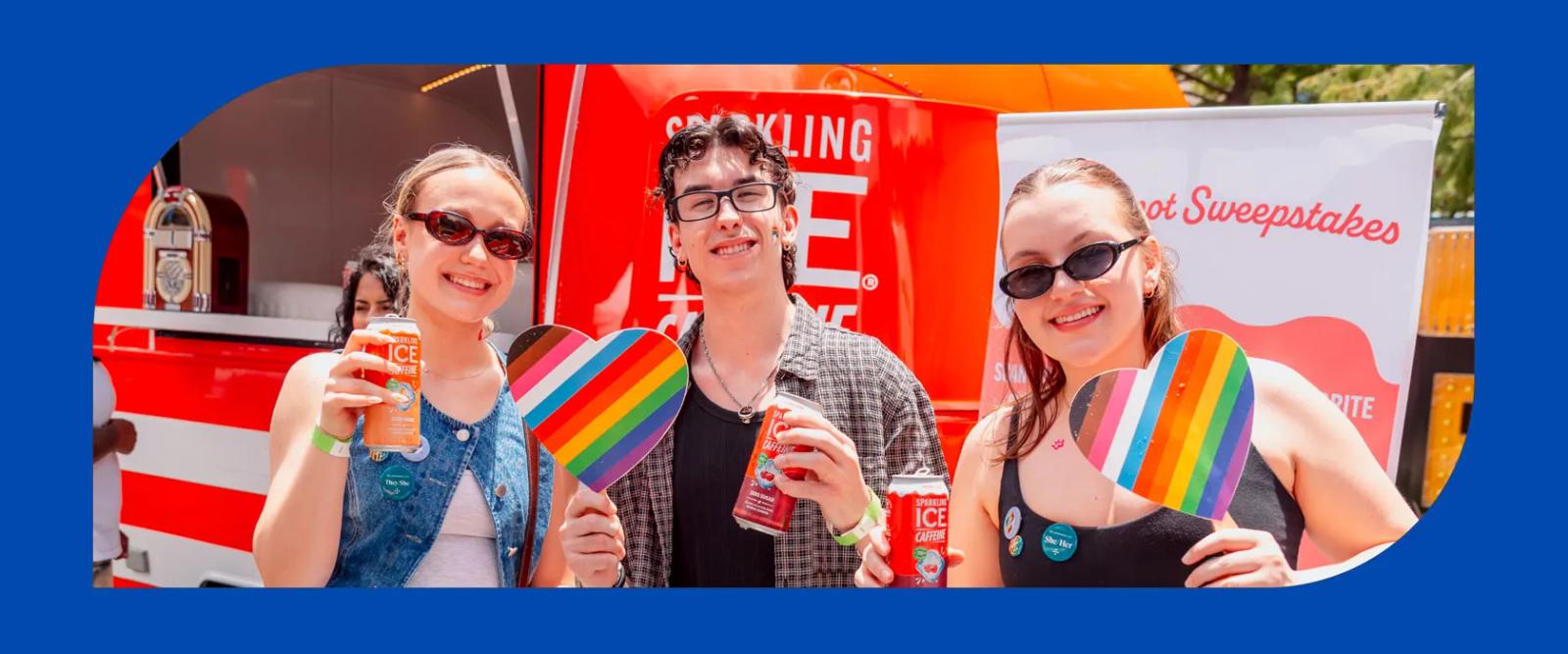
Brainstorming strategies to build brand loyalty with Gen Z requires more than traditional advertising. Authentic messaging, values backed by action, peer recommendations, community engagement, and memorable live experiences all play a role in creating lasting brand connections.
The opportunity is significant. NielsenIQ projects Gen Z's global spending power will reach $12 trillion by 2030, while its Spend Z research highlights the importance of other shoppers' reviews in purchasing decisions. For brands, this reinforces the value of building trust through authentic interactions, creator content, and real-world experiences.

Key Takeaways
- Authenticity matters: Gen Z consumers often look to reviews and peer recommendations when evaluating brands.
- Values need action: Brands can build trust by demonstrating their commitments through meaningful actions, not just messaging.
- Reward participation: Loyalty programs can recognize reviews, referrals, and event participation alongside purchases.
- Live experiences encourage engagement: Interactive brand experiences give Gen Z opportunities to connect, participate, and share.
- Measure advocacy: Track referrals, user-generated content, repeat engagement, and repeat purchases to understand brand loyalty better.
5 Strategies to Build Brand Loyalty With Gen Z
Building loyalty with Gen Z requires consistent engagement, meaningful experiences, and opportunities for consumers to connect with brands. These five strategies can help brands strengthen relationships and encourage long-term loyalty.
1. Design for Small, Frequent Moments
Brand loyalty often develops through consistent interactions over time. A thoughtful reply to a comment, a reward for leaving a review, or an engaging campus pop-up can each strengthen the brand connection. Rather than focusing exclusively on large-scale campaigns, brands should look for opportunities to create meaningful touchpoints that reinforce a consistent brand identity.
2. Reward Participation as Well as Purchases
Loyalty programs can go beyond purchases by rewarding reviews, referrals, user-generated content, and event participation. Mobile-friendly experiences, accessible rewards, and clear program guidelines can make participation easier and more appealing.
Transparency also matters. Clearly communicating how customer data is collected and used helps consumers make informed decisions and can support stronger brand trust.
3. Let Gen Z Help Shape the Brand
Giving Gen Z opportunities to contribute ideas, feedback, and content can help create a stronger sense of involvement. Student ambassador programs, product feedback initiatives, and creator partnerships let consumers help shape brand experiences.
For Pocari Sweat, Newbridge's student ambassador program helped distribute 137K samples and generate 408K impressions, demonstrating how peer-driven engagement can support product awareness and trial.
When working with creators, brands should prioritize audience relevance and authentic connections over follower count alone. Smaller creators can offer opportunities to reach engaged communities, while clear disclosure of paid partnerships helps maintain transparency.

4. Create Live Experiences Worth Sharing
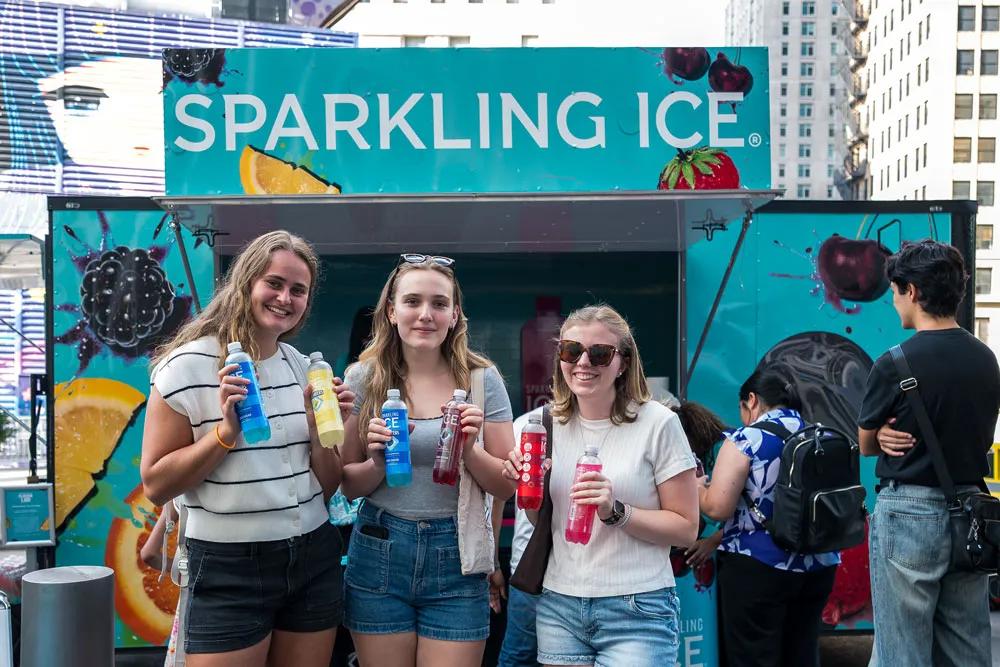
Live experiences give consumers opportunities to interact with brands firsthand, creating memorable moments and content worth sharing. According to Event Marketer's EventTrack 2026 study, 82% of event attendees told friends or family about their brand interaction, while 59% captured content during live brand experiences.
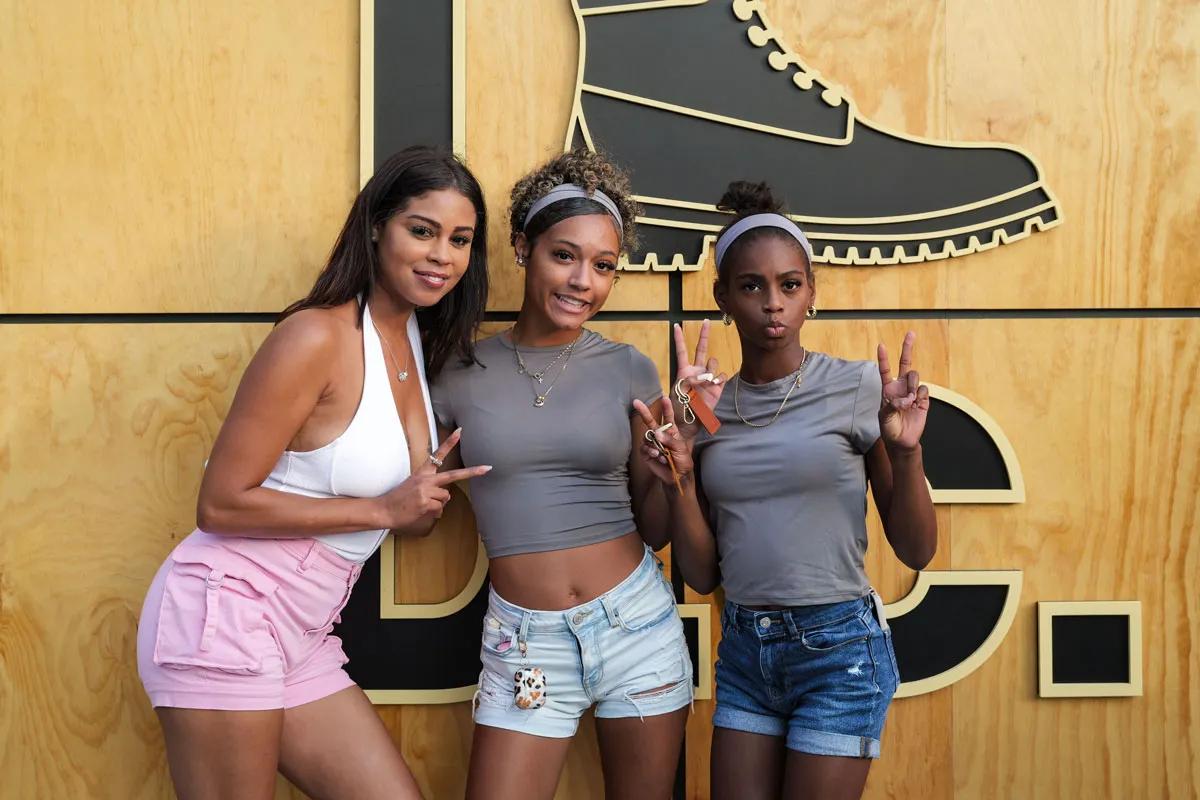
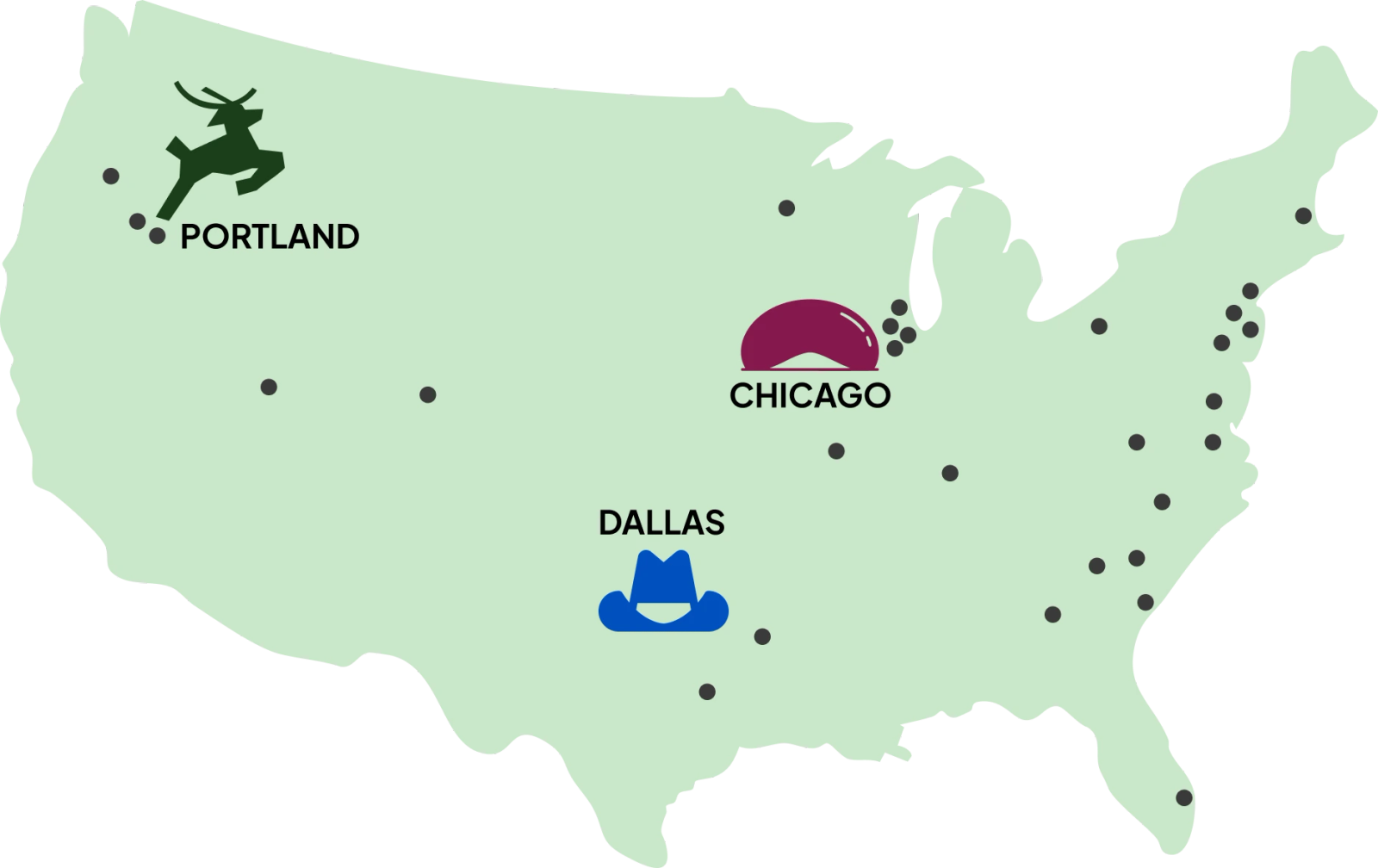
Newbridge's four-market pop-up and grand opening program for Timberland featured live leather-making demonstrations, embossing stations, and interactive games. The program generated 12.2K activation engagements and distributed 10K premiums, giving consumers opportunities to participate and connect with the brand beyond traditional advertising.
5. Meet Students While Brand Habits Form
College provides an opportunity for brands to connect with young adults as they develop purchasing preferences and discover new products. Campus marketing programs allow brands to reach students through experiences that fit naturally into their daily routines.
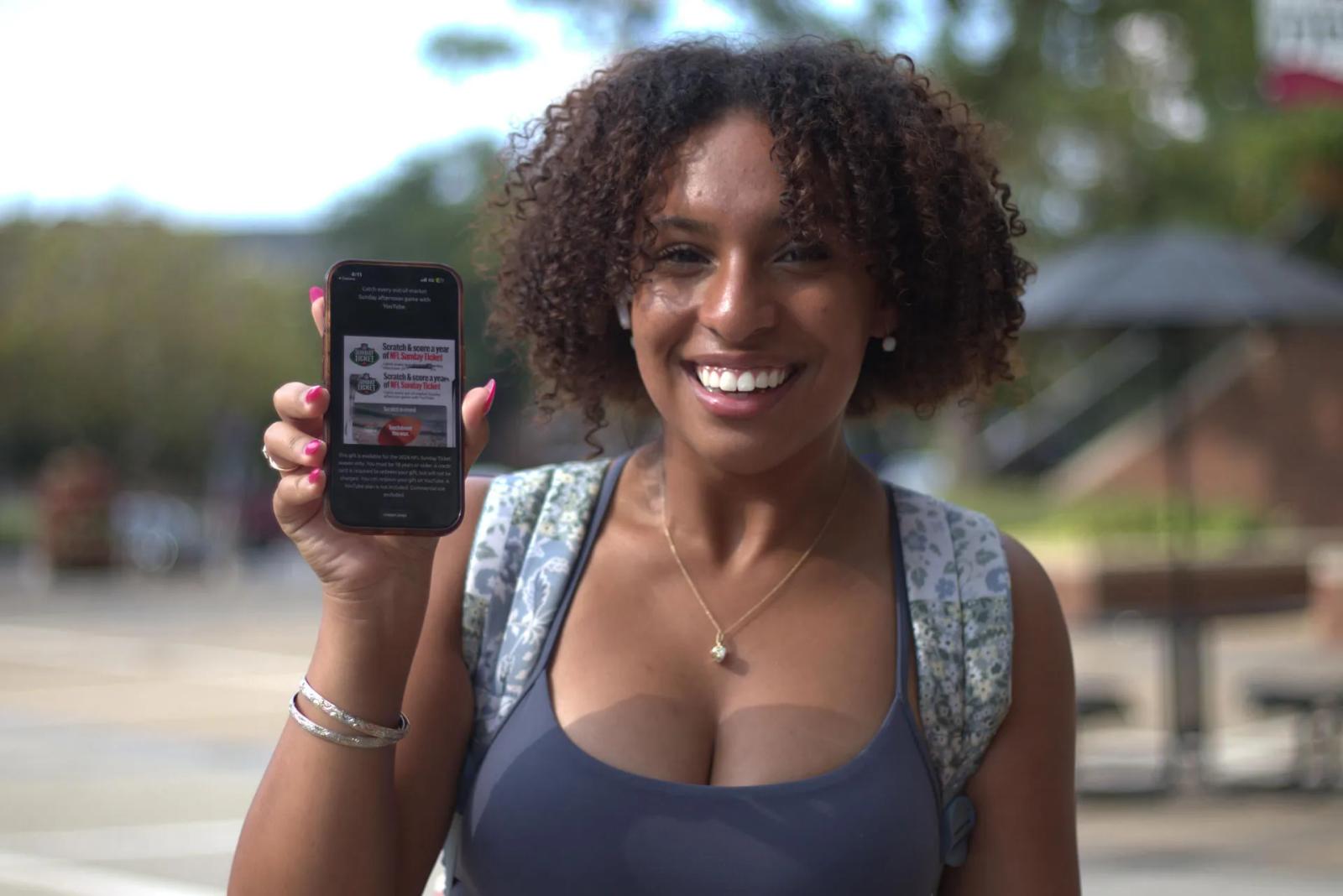
From product sampling and student ambassador programs to interactive pop-ups, experiential marketing on college campuses gives brands opportunities to introduce products, encourage participation, and build connections that can extend beyond graduation.
Explore Newbridge's campaigns to see how we bring brands and consumers together through meaningful experiences.
Why Is Gen Z Brand Loyalty Different?
Gen Z approaches brand loyalty with an emphasis on trust, value, and authentic experiences. While this generation is willing to build lasting relationships with brands, purchasing decisions are often influenced by peer recommendations, financial considerations, and experiences across both digital and physical channels.
Peer recommendations influence purchasing decisions. According to NielsenIQ (NIQ), 53% of Gen Z consumers are likely to shop through social media or livestream platforms, and other shoppers' online reviews rank as a leading factor in their purchasing decisions. For brands, this highlights the importance of authentic customer feedback and building trust beyond traditional advertising.
Financial considerations shape brand preferences. Deloitte's 2025 Gen Z and Millennial Survey found that 48% of Gen Z respondents did not feel financially secure, compared with 30% the previous year. With affordability and value influencing purchasing decisions, loyalty programs should offer meaningful benefits that make continued engagement worthwhile.
In-person experiences remain important. Despite Gen Z's familiarity with digital platforms, physical retail continues to play a significant role in their shopping habits. NIQ reports that in-store purchases account for nearly 50% of Gen Z's spending. This reinforces the value of connecting online engagement with real-world touchpoints, including retail activations, product sampling, and experiential marketing.
What Drives Gen Z's Loyalty to a Brand?
| Authenticity They Can Trust | Values Backed by Action | Belonging Over Status |
|---|---|---|
| Gen Z consumers have access to reviews, creator content, and customer feedback when evaluating brands. Consistency between messaging and real-world experiences can help build trust. Brands should ensure their products deliver on their promises and that customer interactions reflect their values. | Brand values can influence purchasing decisions. Deloitte's 2025 survey found that nearly two-thirds of Gen Z and millennials were willing to pay more for environmentally sustainable products or services. Brands that communicate their commitments should support those claims with meaningful actions and transparent practices. | A sense of community can encourage stronger brand connections. Loyalty programs that offer accessible benefits, such as early product access, exclusive events, or opportunities to provide feedback, give consumers reasons to participate beyond spending. |
What Mistakes Break Gen Z Brand Loyalty?
- Values claims without proof: Making claims about sustainability, sourcing, or social responsibility without supporting them through meaningful action can damage consumer trust.
- Rewards focused only on spending: Loyalty programs that reserve all meaningful benefits for top spenders may miss opportunities to engage Gen Z consumers who value participation and community.
- Undisclosed paid partnerships: Failing to clearly disclose sponsored creator content can undermine trust in both the creator and the brand.
- Chasing trends without authenticity: Participating in trends that don't align with a brand's identity can make messaging feel forced or inconsistent.
- Unclear data practices: Failing to explain how customer information is collected and used can create hesitation around joining or participating in loyalty programs.
How Do You Measure Gen Z Brand Loyalty?
Measuring Gen Z brand loyalty requires looking beyond individual purchases to understand how consumers engage with, recommend, and return to a brand over time. Tracking a combination of engagement, advocacy, and purchasing behavior can help brands evaluate the effectiveness of their loyalty strategies.
Key metrics to consider include:
- Referral rates and Net Promoter Score (NPS): Measure how often Gen Z customers recommend the brand to others and how likely they are to do so.
- User-generated content: Track the volume and sentiment of organic social media posts featuring the brand.
- Loyalty program engagement: Monitor active participation, reward redemptions, and ongoing engagement rather than focusing solely on enrollment.
- Community participation: Evaluate student ambassador activity, event attendance, and engagement within brand communities.
- Repeat purchases and customer retention: Track purchasing frequency, repeat customer rates, and churn over time to identify longer-term loyalty trends.
Brand loyalty develops over time, and a single activation or campaign may not provide a complete picture. Tracking the same customer groups across multiple touchpoints can help brands identify patterns, measure progress, and make more informed marketing decisions.
Build Gen Z Loyalty That Lasts with Newbridge
Building lasting brand loyalty with Gen Z requires authentic engagement, meaningful experiences, and consistent connections. With more than 20 years of experience, Newbridge is an independent experiential marketing agency that brings strategy, creative, and execution together under one roof. From college campus activations to student ambassador programs and interactive brand experiences, we help national brands connect with younger audiences in meaningful ways.
Ready to build stronger connections with Gen Z? Connect with Newbridge to discuss your next campaign.
FAQs
What Is the Best Way to Build Brand Loyalty With Gen Z?
Building brand loyalty with Gen Z starts with trust, authenticity, and consistent engagement. Brands can strengthen relationships by demonstrating their values through action, rewarding participation alongside purchases, and creating meaningful experiences. Long-term loyalty develops through positive interactions over time.
Are Gen Z Consumers Loyal to Brands?
Yes, Gen Z consumers can develop strong brand loyalty, but trust, affordability, and value influence their purchasing decisions. Peer reviews and recommendations also play an important role. Brands that consistently deliver positive experiences and meaningful value can encourage lasting customer relationships.
Do Loyalty Programs Work for Gen Z?
Loyalty programs can be effective when they offer accessible rewards, mobile-friendly experiences, and opportunities to participate beyond making purchases. Recognizing referrals, reviews, and event attendance can help encourage ongoing engagement and strengthen brand connections.
How Do Live Experiences Build Gen Z Loyalty?
Live experiences give consumers opportunities to interact with brands firsthand, creating memorable moments that can encourage sharing and word-of-mouth recommendations. According to EventTrack 2026, 82% of event attendees reported telling friends or family about their brand interactions, highlighting the potential for experiential marketing to extend engagement beyond the event itself.
Related Content
How to Do a Pop-Up Shop Successfully for Your Brand
A practical guide to planning and executing pop-ups that drive engagement, brand awareness, and ROI.
Newbridge Named One of Chief Marketer’s Top Marketing Agencies for 2025
Celebrating standout work in experiential and college marketing and looking ahead to a big year of growth, creativity, and connection.
Top Back-to-School Marketing Ideas for College Brands
Top back-to-school marketing ideas for college brands in 2026. Learn how move-in week, campus activations, and student ambassadors drive real ROI.

