
How to Create Brand Awareness in a New Market
7/10/2026
By Lily McDowell
Creating brand awareness in a new market isn't about a single campaign. It takes a consistent, multi-channel strategy that introduces your brand to the right audience over time. The most effective approaches combine experiential marketing, local SEO, targeted content, social media, strategic partnerships, and paid advertising. When these channels work together consistently, they build recognition, trust, and long-term awareness.
What Is Brand Awareness and Why Does It Matter?
Brand awareness is how familiar your target audience is with your brand. It goes beyond recognizing your logo or name to understanding what your business stands for and remembering it when they're ready to buy. While brand recognition is simply the ability to identify your visual identity, brand awareness reflects genuine familiarity and unprompted recall.
In a new market, that familiarity doesn't exist yet. Without an established reputation or customer base, every buying decision depends on building trust from the ground up. That's why brand awareness is so important. The more familiar your brand becomes, the more likely consumers are to consider and choose it when the need arises.
Is Your Brand Ready for a New Market?

Most brands rush into a new market without asking the most important question: Is your brand actually ready for this audience? Pre-entry readiness is often overlooked, and it's one of the biggest reasons awareness campaigns fail to gain traction.
Before spending anything on advertising or outreach, conduct an honest brand audit. Ask whether your messaging, visual identity, and tone of voice will travel well into this specific market. A brand that resonates in one market can fall flat, or even create the wrong impression, in another. Cultural nuances, local competitors, and audience expectations vary more than most brands anticipate.
Next, research the competitive landscape in the new market specifically. Who is already serving this audience? What gap can your brand credibly fill? Your positioning may not translate directly, so you may need to adapt your messaging to better match this audience's needs.
From there, build audience personas for the new market. Don't just carry over the personas from your home market and assume they're transferable. Demographics, motivations, and buying behaviors differ by geography, culture, and context.
Before any campaign launches, create a market entry brief, a short internal planning document that captures your research, positioning, target personas, and key messaging for the new audience. It becomes the foundation on which every tactic is built.
Brand Readiness Checklist
Before launching your first campaign, review these key elements:
- Brand identity review: Does your logo and visual identity translate across cultures without unintended associations? Does your tagline and messaging resonate with this audience's needs and language?
- Tone of voice: Is it calibrated to how this market communicates, whether that's more formal, more casual, or influenced by regional vernacular?
- Website: Is it up to date, polished, and optimized for search in the new market?
- Social media profiles: Are they active, consistent, and up to date to reflect your current brand?
- Competitive landscape: Have you identified who already owns the conversation in this market and where your brand can stand out?
How to Create Brand Awareness in a New Market: Core Strategies
The strategies below are most effective when used together. Consistent, multi-channel marketing builds brand awareness over time, while relying on a single tactic rarely creates lasting recognition.
Here are the core strategies to prioritize.
Experiential Marketing and Interactive Events
When an audience has no prior relationship with your brand, an in-person experience creates an emotional memory that stays with them long after the moment passes. Experiential marketing tactics such as live brand activations, sampling campaigns, pop-up programs, and interactive events build brand awareness by turning passive viewers into active participants. According to EventTrack 2026, 61% of consumers are more inclined to purchase after a live brand experience, and 98% of attendees create and share content at events, extending reach well beyond the activation itself.
What makes experiential trends particularly valuable in a new market is their ability to meet your audience where they already are, whether that's on campus, at local events, or in their communities, and give them a reason to pay attention that feels relevant to their lives.
Experiential marketing:
- Generates Organic UGC: Photogenic, interactive environments give attendees something worth posting, exposing the brand to every participant's network.
- Creates Emotional Connections: Multi-sensory experiences let consumers feel what a brand stands for, embedding it in memory more effectively.
- Drives Word-of-Mouth: A compelling brand experience naturally sparks conversation, building peer-driven trust and credibility that extends well beyond the event.
- Humanizes the Brand: Live staff interactions put a human face on the business, signaling transparency and values.
- Provides Real-Time Feedback: Direct consumer conversations yield immediate insights on preferences and reactions, informing both future products and marketing strategy.
- Boosts Trial and Purchase Intent: Letting consumers touch, test, or sample a product reduces purchase hesitation and measurably increases purchase likelihood.

For example, when Timberland wanted to build brand awareness in Atlanta, Newbridge brought their vision to life at Ponce City Market with a fully immersive pop-up experience featuring live footwear-making demonstrations, music, exclusive giveaways, and interactive digital gamification. The activation didn't just introduce attendees to the brand; it gave them something to share, remember, and talk about.
The result:
- 2.2 million Big Boot impressions
- 12,200 activation engagements
- 10,000 premiums distributed across markets
The most effective activations combine strategy, creative, field execution, and measurement within a single integrated team.
See more of Newbridge’s work here.
Local SEO and Market-Specific Content
Getting discovered by a new audience starts with showing up where they're already searching. Local SEO, along with market-specific content such as blog posts, landing pages, and guides, helps your brand appear in search results that match your audience's questions and language.
- "Near Me" & Maps Visibility: Ranking in local searches and map packs puts your brand in front of high-intent users at the exact moment they're ready to act.
- Repetition Builds Recognition: Consistent appearance across map results, directories, and organic search creates cumulative brand familiarity over time.
- Reviews as Digital Word-of-Mouth: An optimized profile paired with authentic, positive reviews establishes immediate credibility within the community.
- Cultural & Geographic Relevance: Content tailored to regional customs, seasons, or local nuance signals a genuine understanding of the community.
- Hyper-Local Storytelling: Referencing local landmarks, events, or community partnerships transforms a brand from faceless to relatable.
- Search & AI Visibility: Consistent visibility within a specific market helps strengthen your brand's authority, making it more likely to appear in search results and AI-generated recommendations.
The key is matching your content to local search intent. The way people search in one region may differ from how they search elsewhere. Use local keyword research to understand how people in that market actually search, then create content that answers those specific questions.
Consistent, Authentic Social Media Presence
In a new market, audiences are naturally skeptical. They haven't seen your brand before, and unfamiliarity breeds hesitation. A consistent, authentic social media presence helps accelerate familiarity and build trust before someone ever buys from you.
A consistent, authentic social media presence helps build brand awareness by:
- Building brand familiarity and trust over time
- Increasing recognition and recall
- Creating emotional connections that turn visibility into loyalty
Social platforms also reward consistency, helping extend your reach to new audiences. Together, these elements move a brand from unknown to trusted in a new market.
Building brand awareness requires showing up consistently, sharing your perspective, and reinforcing your brand's mission. Over time, those repeated interactions help strangers feel like they know and trust your business.
Practical steps: Post consistently, use local references and hashtags, engage in community conversations, and avoid broadcasting alone. Listen, respond, and build genuine connections.
Strategic Partnerships and Co-Marketing
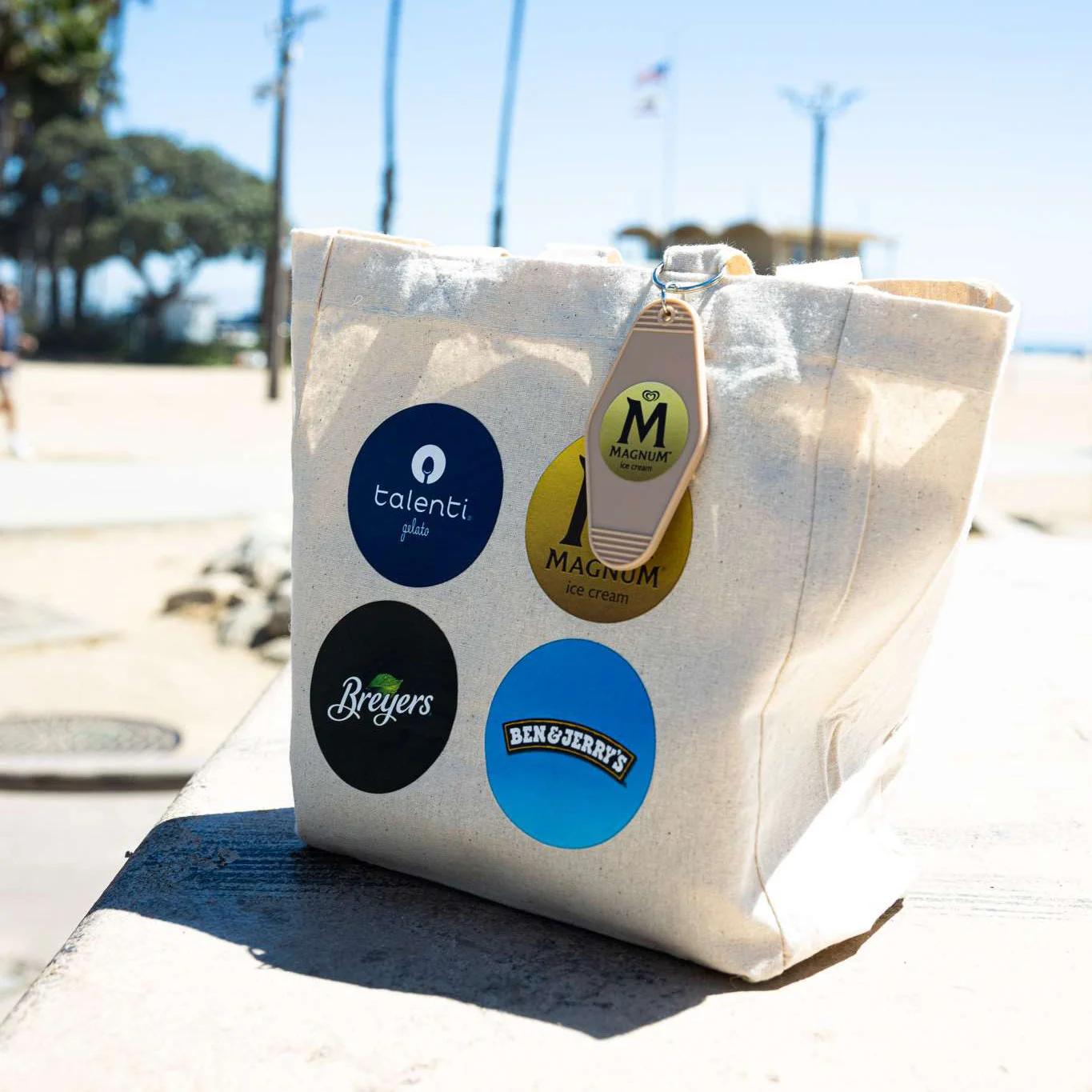
Borrowing credibility is one of the fastest paths to awareness in a new market. When you partner with brands, organizations, or brand ambassadors/influencers that your new audience already trusts, some of that trust transfers to your brand. Co-branded content, local influencer collaborations, cross-promotional events, and affiliate partnerships all serve this purpose.
Look for partners who share your target audience but don't compete directly with you. A partnership that puts your brand in front of an established local audience can significantly accelerate brand awareness and local familiarity. Shared resources also mean both brands can execute at a scale neither could reach independently, with more robust campaigns, broader reach, and stronger results.
Co-created content, whether it's a joint case study, a co-branded activation recap, or a collaborative campaign, continues to generate brand awareness long after the partnership ends.
Paid Advertising, PR, and Grassroots Engagement
Paid advertising, PR, and grassroots engagement each play a distinct role in a market-entry strategy, and they're most effective when used together.
- Paid advertising delivers immediate reach and frequency, putting your brand in front of the right audience repeatedly until recognition sticks.
- PR adds credibility that paid advertising alone can't create on its own; earned media coverage, thought leadership, and third-party validation give new audiences a reason to trust what they're seeing.
- Grassroots engagement, whether through community events, brand experiences, or ambassador programs, creates the kind of authentic, person-to-person connection that builds loyalty over time.
No single channel carries the full load. Paid drives initial attention, PR establishes authority, and grassroots turns early awareness into something that lasts.
Use paid social and search ads for accelerated reach; PR and media outreach to local publications, podcasts, and journalists; and grassroots community engagement, sponsoring local events, joining trade associations, and showing up where your target audience already gathers.
Each of these channels reinforces the others. A consumer who sees a social ad, then reads a press mention, then encounters your brand at a local event, is far more likely to remember you than one exposed to any single channel alone.
How to Measure Brand Awareness in a New Market
When you're building brand awareness in a new market, establishing a clear baseline before any campaign launches separates guesswork from strategy and gives you something meaningful to measure against.
Here are the key indicators to track:
- Share of voice: How much of the conversation in your category within this market includes your brand? Tools that track media mentions and social conversations can help quantify this over time.
- Branded search volume: Track growth in searches for your brand name in the new market using Google Search Console or Google Trends. Rising branded search is a reliable signal that awareness is growing.
- Social media growth and engagement: Monitor follower growth and engagement specifically in the target region. Geographic filtering in analytics tools helps measure growth within your target market.
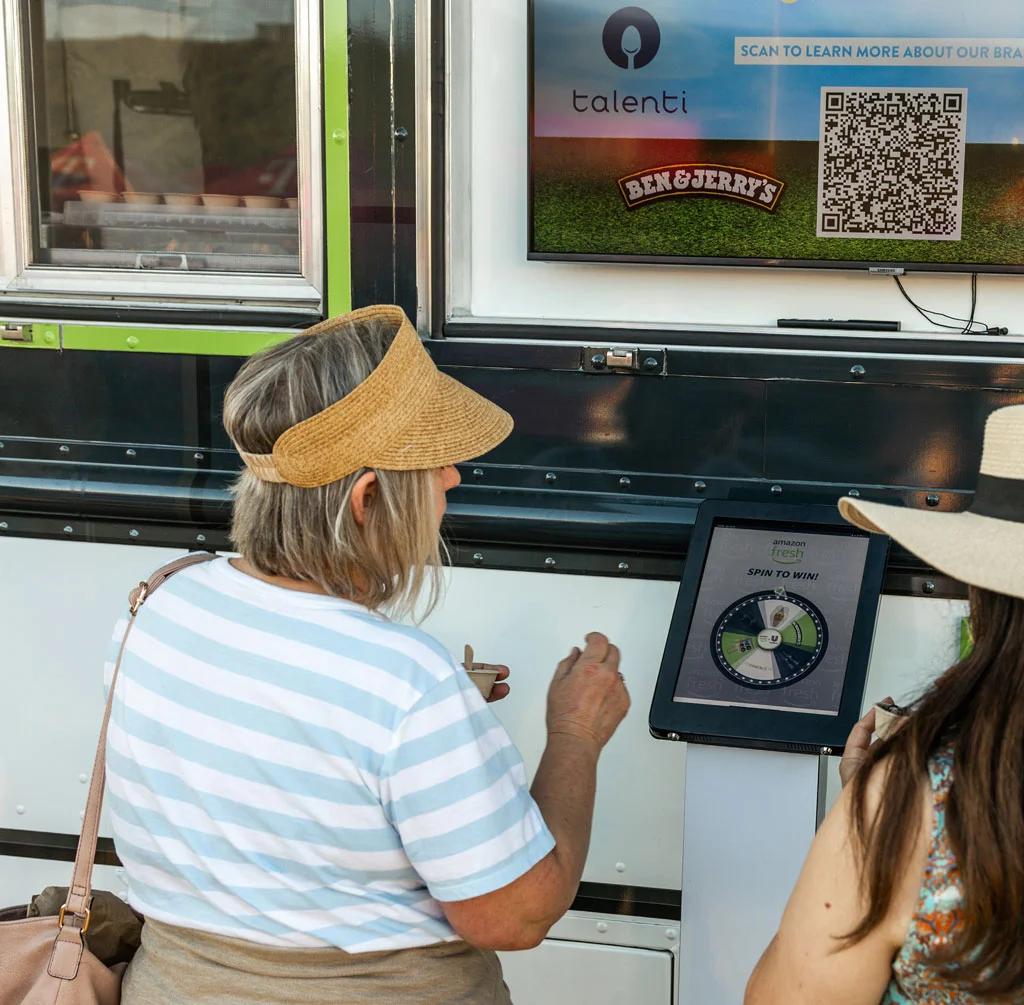
- Direct website traffic: An increase in direct traffic (users who type your URL directly) is a strong proxy for growing brand recognition; people visit directly when they already know who you are.
- Customer surveys and recall testing: Aided and unaided recall surveys are the most direct measurement of brand awareness. Aided recall asks consumers if they recognize your brand from a list; unaided recall asks them to name brands in your category without prompting. Running these periodically gives you the clearest read on awareness movement.
- Media impressions from PR and experiential: Track impressions generated from press coverage, events, and activations as indicators of overall reach in the new market.
One critical reminder: brand awareness metrics are slow-moving and take time to reflect change. The integrated, multi-channel approach described throughout this guide, combining advertising, digital marketing, experiential marketing, community engagement, and PR, creates the cumulative exposure that gradually shifts awareness over time. Setting a baseline before launch is what lets you prove the strategy is working.
How Newbridge Helps Brands Create Awareness
Building brand awareness in new markets is a long game, but it's a winnable one when the strategy is right. Start with a thorough readiness assessment, build an integrated approach across channels, show up with consistency and creativity, and measure what matters from day one. The brands that break through in new markets are the ones that commit to the right mix of tactics and sustain them long enough to build meaningful awareness. The data shows that experiential tactics and brand activations are among the most effective ways to build it.
According to EventTrack (2025), 91% of consumers report more positive feelings about brands after attending events. Additionally, 62% of B2C event marketers say brand awareness is the primary goal of experiential programs. The brands investing in that channel are seeing results, with 50% of marketers reporting improved ROI from event investments.
Experiential marketing is one of the highest-impact strategies for brand awareness, and execution is where most brands either gain traction or stall. For brands looking to accelerate that process, partnering with an experienced experiential and integrated marketing agency like Newbridge can help turn strategy into execution from day one.
With Newbridge Marketing, brands get:
- 20+ years of specialized experiential and college marketing expertise
- Fully integrated model: strategy, creative, and execution under one roof with no handoffs between disconnected teams
- Named 2025 Chief Marketer Top Agency of the Year and 2025 Event Marketer IT List
- Proven national results generating millions of impressions and thousands of activation engagements.
- Independent agency with direct senior-level relationships and no holding-company overhead.
Ready to get your brand to the forefront of a new market?
Related Content
How to Do a Pop-Up Shop Successfully for Your Brand
A practical guide to planning and executing pop-ups that drive engagement, brand awareness, and ROI.
Newbridge Named One of Chief Marketer’s Top Marketing Agencies for 2025
Celebrating standout work in experiential and college marketing and looking ahead to a big year of growth, creativity, and connection.
Top Back-to-School Marketing Ideas for College Brands
Top back-to-school marketing ideas for college brands in 2026. Learn how move-in week, campus activations, and student ambassadors drive real ROI.