Retail Activation Handbook for Brand Marketers
8/11/2026
By Lily McDowell
What is a retail activation? A retail activation is a designed brand experience that takes place inside a store or at the point of purchase. Rather than relying solely on shelf placement and signage, it gives shoppers something to taste, touch, try, or interact with, transforming the buying process from passive observation into active participation.
In practice, a retail activation might include a live product demonstration, a product sampling station, an interactive display, or trained brand ambassadors engaging shoppers on the sales floor. The common thread is intention. Rather than simply creating awareness, retail activations create memorable experiences that encourage shoppers to engage with a brand and feel more confident in their purchase decisions.
Why Is Retail Activation Important
Experiential retail activations matter because they create direct, memorable brand experiences that engage shoppers beyond traditional advertising. By encouraging consumers to interact with a product in real time, retail activations help brands influence purchase decisions at the moment they matter most.
Effective retail activations can:
- Increase brand awareness
- Drive foot traffic
- Build emotional connections with shoppers
- Encourage meaningful customer engagement
- Generate word-of-mouth marketing
- Collect valuable real-time consumer feedback
- Drive sales by converting interest into immediate purchases
- Deliver measurable ROI
- Build long-term brand loyalty
What Is the Difference Between Retail Activation and Brand Activation?
Retail activation is a type of brand activation that takes place at the point of sale. Its primary goal is to drive product trial, increase sales, and influence purchase decisions through tactics such as product demonstrations, sampling programs, in-store displays, and brand ambassadors, often in partnership with a retailer.
Brand activation is the broader strategy of bringing a brand to life through experiences that build awareness, engagement, and long-term loyalty. These activations can take place almost anywhere, including live events, pop-up shops, mobile tours, festivals, campuses, and digital experiences.
In short, retail activation is a subset of brand activation. Every retail activation is a brand activation, but not every brand activation takes place in a retail environment.
Retail Activation Strategies and Tactics
A retail activation that underdelivers usually points back to strategy rather than execution. But even the best strategy only succeeds when the tactics behind it are designed to support it.
Audience and Shopper Insight
Every decision begins with understanding who you're trying to reach and what they need in the moment. Effective shopper insights go beyond demographics to the path to purchase: what makes someone pick up a product, and what makes them walk away? Those insights shape the messaging, timing, and mechanics of the activation long before a format is selected.
Retail Activation Format and Sampling Logistics
The format should always follow the audience. Product demonstrations, sampling programs, pop-up shops, store-in-store experiences, interactive installations, and brand ambassador programs each serve different objectives and shopper mindsets. Even the right idea will underperform if it's delivered in the wrong format.
Sampling programs, in particular, rely on three elements working together: product inventory, staffing, and placement. Brands need enough product to meet projected demand, enough ambassadors to keep interactions flowing naturally, and a location that intercepts shoppers without disrupting traffic. Build a per-hour sampling budget based on expected foot traffic and monitor inventory throughout the activation to avoid running out during peak periods.
Staffing, Execution Quality, and Training
Even the strongest concept depends on the people bringing it to life. Brand ambassadors need deep product knowledge, natural conversation skills, and the ability to read shopper behavior. Understaffing or inadequate training can quickly undermine an otherwise well-designed activation.
Effective training combines product education with flexible talking points, anticipated customer questions, and a clear call to action. Role-play interactions before launch day, and prepare staff to recognize when shoppers want assistance and when they prefer to browse independently.
Environment, Placement, Timing, and Pop-Up Build
Where an activation lives inside the store is just as important as the experience itself. Entrances, endcaps, and other high-traffic areas naturally attract more attention, while the day, time, and season all influence shopper behavior and purchase intent.
For pop-up activations, planning should begin well before opening day. Secure permits, finalize build-outs, confirm signage timelines, train staff, and test traffic flow before launch. A well-planned teardown is equally important, helping preserve retailer relationships for future activations.
Brand Messaging and Incentive Structure
Every touchpoint—from signage and ambassador conversations to giveaways and promotional offers—should reinforce a single, consistent message. Incentives should be simple to understand and even easier to redeem, whether that's a discount, bundled offer, exclusive giveaway, QR code, or digital coupon.
Limited-time offers such as "today only" or "while supplies last" often encourage faster purchasing decisions by creating urgency without adding friction.
Measurement, KPIs, and Data Capture Setup
Success should be defined before the activation begins. Common KPIs include:
- Sales lift during and after the activation
- Foot traffic to the activation area
- Product trials through samples or demonstrations
- On-site and social media impressions
- First-party data collection, including email sign-ups, surveys, and CRM opt-ins
Capturing those metrics requires planning. QR codes, tablets, digital forms, and POS integrations should all be tested before launch. Assign one team member to oversee the technology throughout the activation so any issues can be resolved immediately. Without a clear measurement plan, meaningful ROI is difficult to prove.
Logistics and Contingency Planning
Confirm permits, insurance, and retailer requirements well in advance. Schedule staffing around peak shopping periods rather than evenly across the day, and prepare contingency plans for weather, equipment failures, or lower-than-expected turnout. Flexibility keeps an activation running smoothly when conditions change.
Post-Activation Follow-Through
An activation doesn't end when the last shopper leaves. Leads should move into follow-up within 24 to 48 hours while the experience is still fresh. Staff debriefs and post-event surveys often reveal valuable insights that KPIs alone cannot, including common customer questions, points of hesitation, and the moments that generated the strongest engagement.
Those insights help transform individual activations into repeatable programs that become more effective with every execution.
In-Store Activation Examples That Drive Results
The most successful retail activations align the experience with the objective, the audience, and the retail environment. When those elements work together, brands create experiences shoppers remember and results retailers can measure.
In-Store Events and Workshops
Live demonstrations, workshops, and hands-on experiences increase dwell time while giving shoppers the confidence to try products before they buy.
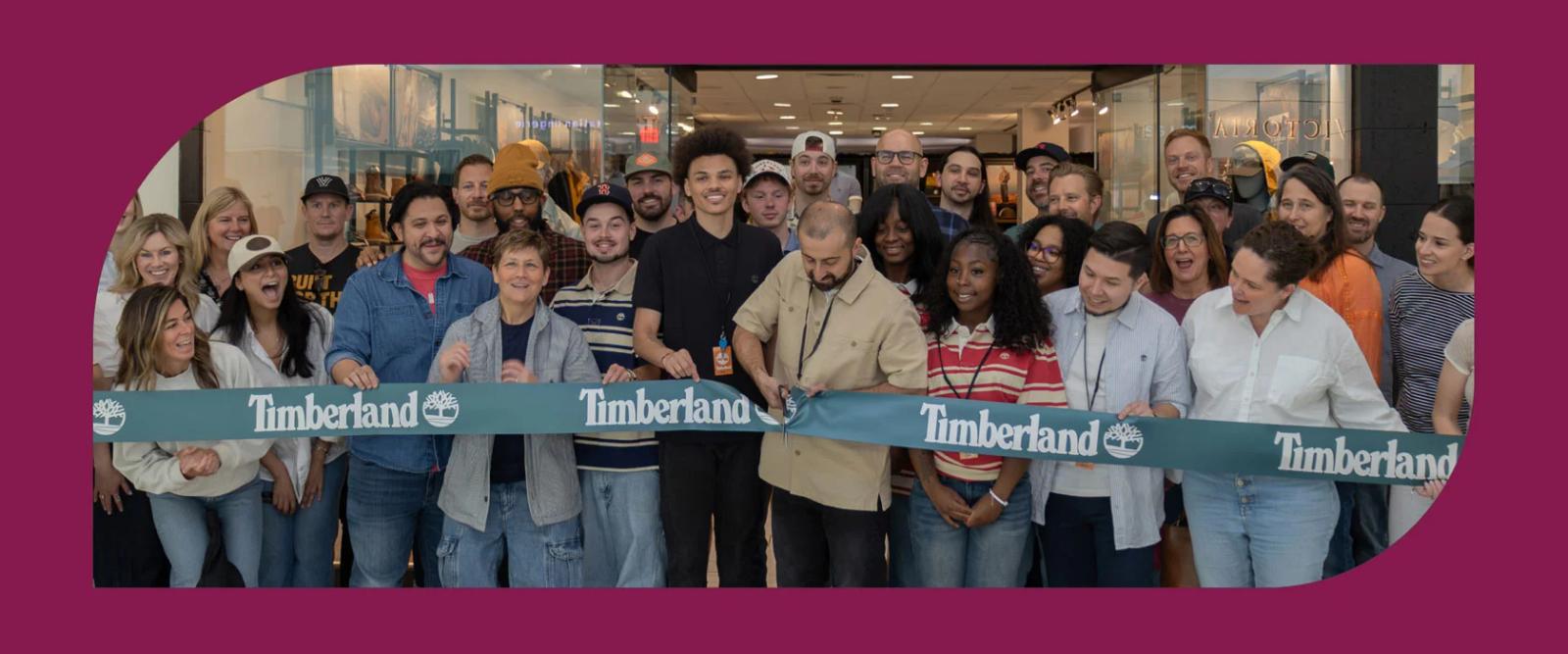
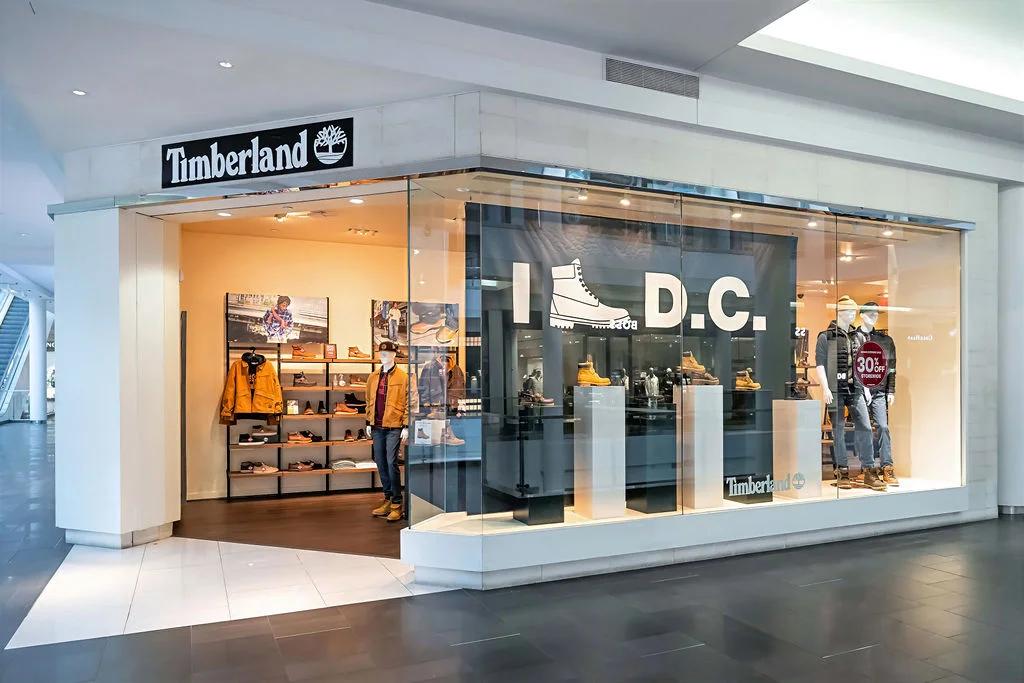
For Timberland's grand opening program, Newbridge brought the brand's craftsmanship story to life through live leather-making demonstrations and custom embossing stations. The activation delivered 2.2 million Big Boot impressions, 12,200 engagements, and 10,000 branded premiums distributed.
Product Sampling
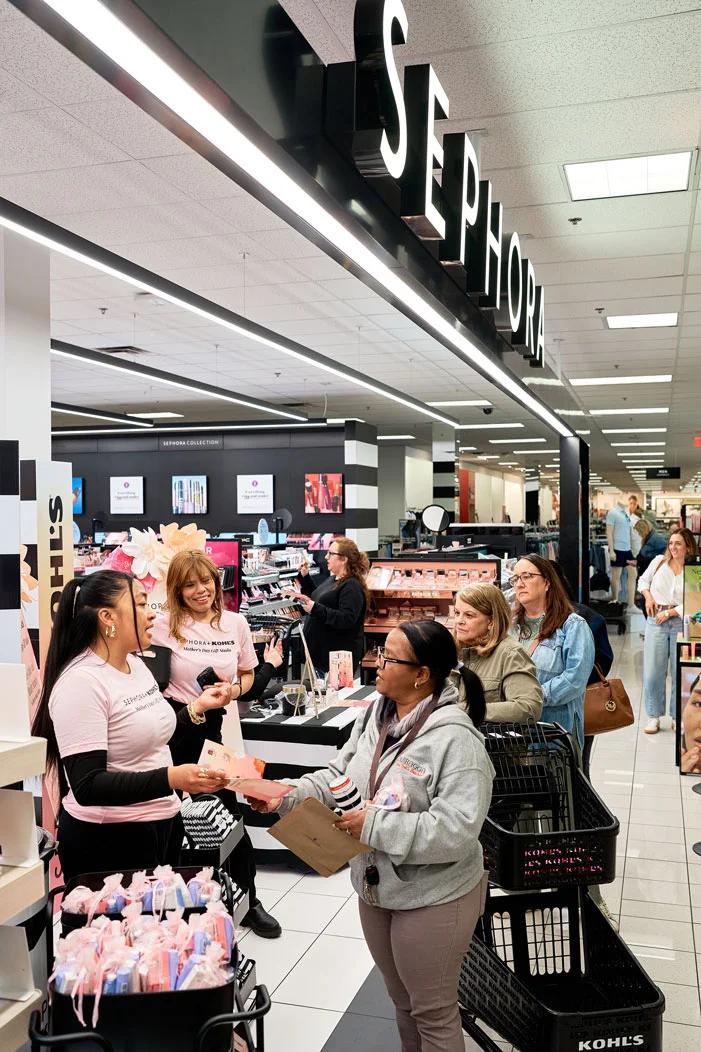
Product sampling is one of the most effective ways to encourage trial and influence purchase decisions. Successful sampling programs rely on thoughtful placement, trained staff, strong logistics, and enough inventory to meet demand.
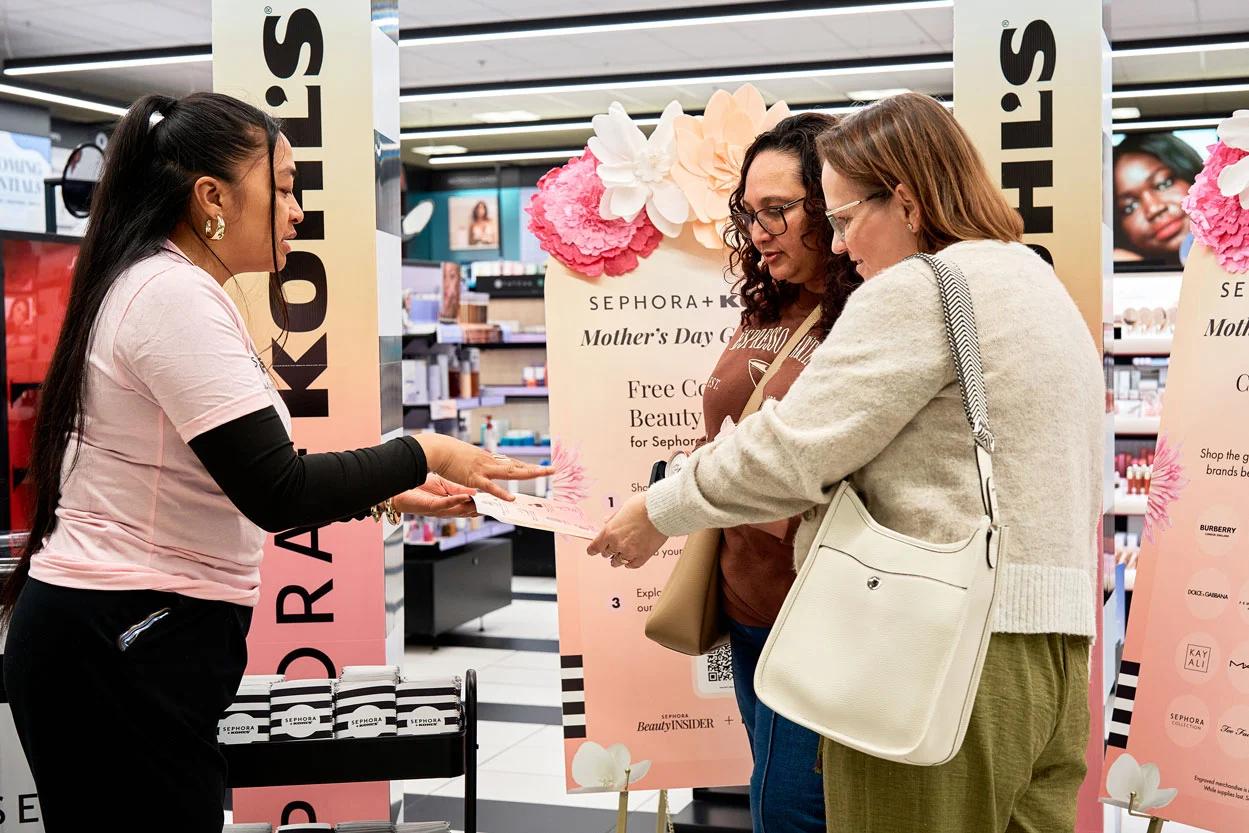
Newbridge's Kohl's + Sephora Mother's Day activation distributed curated gift bags featuring 10 deluxe beauty samples across 26 locations, driving new Beauty Insider registrations. The campaign generated 24,000 impressions, $360,000 in Sephora sales, 1,300 Beauty Insider registrations, and 19,000 total engagements.
Pop-Up Shops
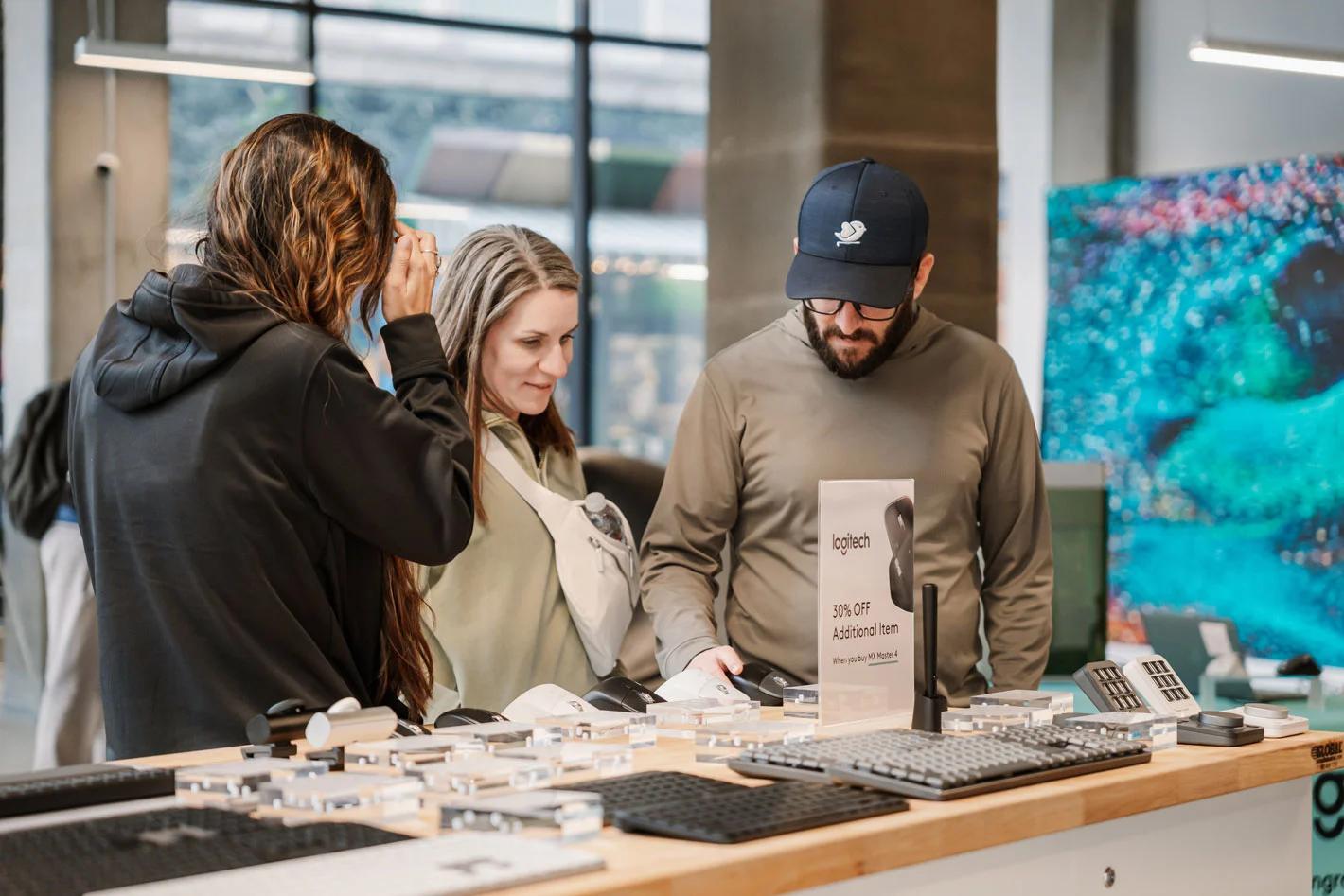
Pop-up shops create immersive brand experiences in high-traffic locations, using exclusivity and limited-time availability to generate excitement and urgency while introducing new products or entering new markets.
Logitech's month-long Experience Store in San Francisco's Union Square transformed a premium retail space into an immersive destination for the MX Master 4 launch, generating 117,000 impressions, 12,200 engagements (verify metric), and nearly 300 on-site sales transactions.
Store-In-Store Activations
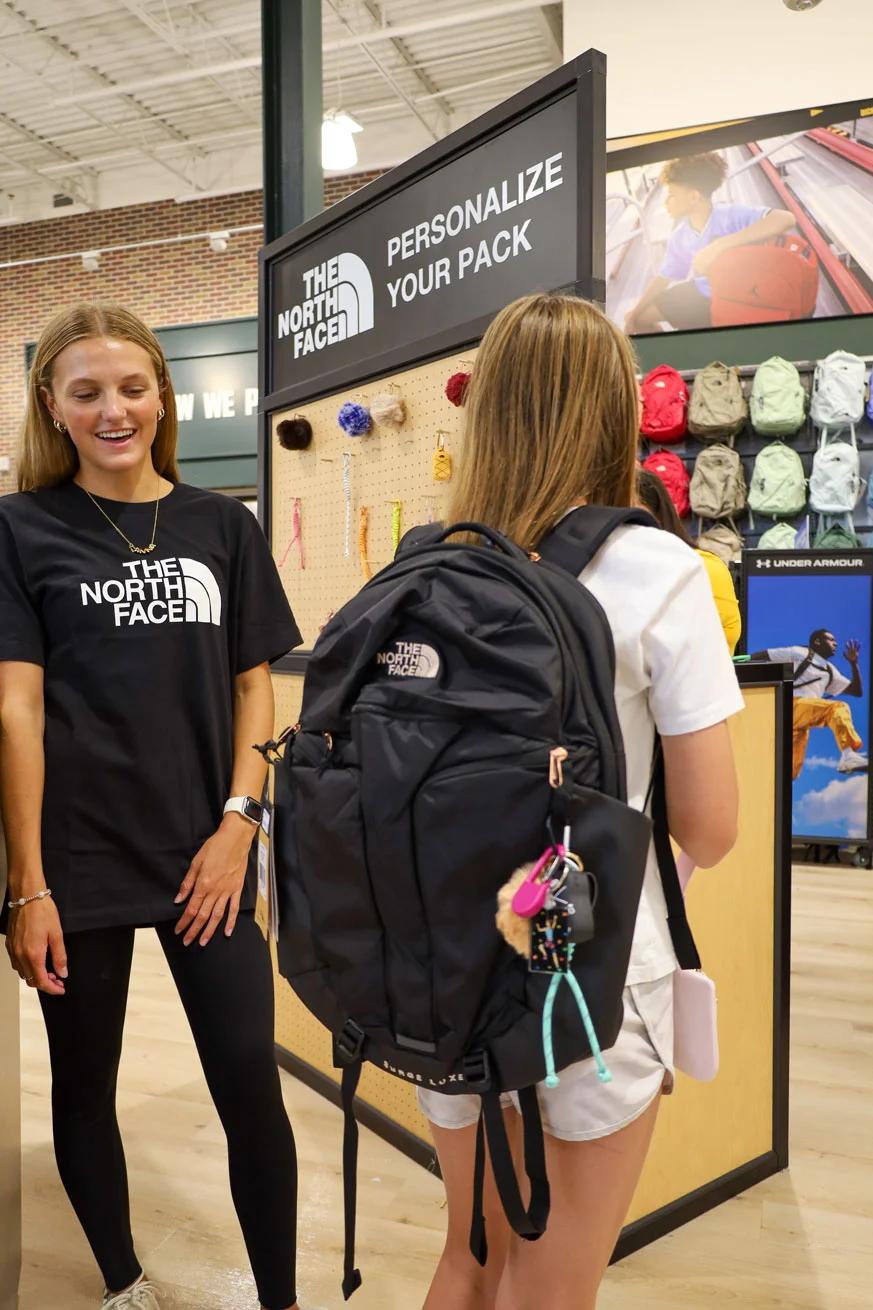
Store-in-store experiences combine the traffic of an established retailer with the storytelling and control of a dedicated branded environment.
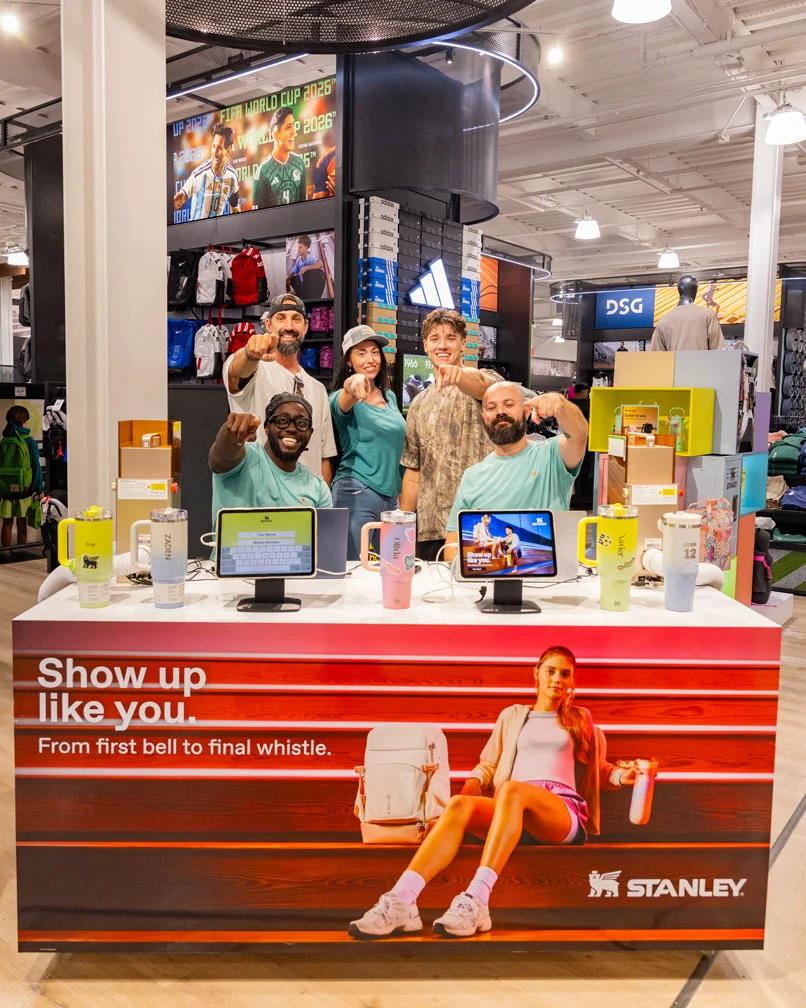
Newbridge brought this strategy to life for The North Face at Dick's Sporting Goods through a back-to-school personalization experience. Shoppers customized purchases on-site while Tour Managers and Brand Ambassadors guided the experience, resulting in 7,700 activation impressions, 3,700 engagements, and 162,000 social impressions.
Interactive Experiences
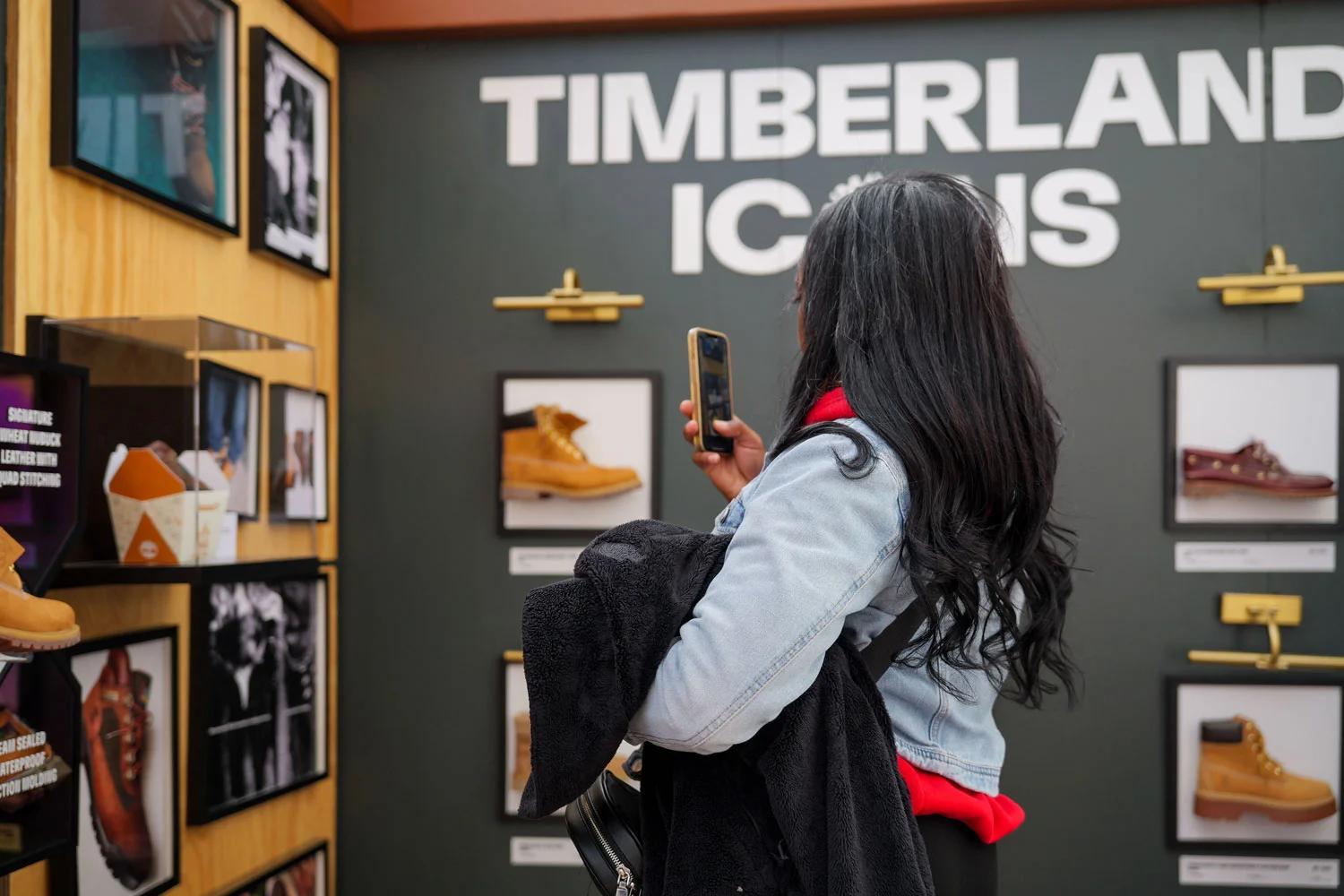
Interactive technology, gamification, augmented reality, and photo opportunities encourage shoppers to participate, spend more time in-store, and share the experience online.
Timberland's pop-up at Atlanta's Ponce City Market combined digital gamification with live footwear-making demonstrations, engaging 1,500 game participants and generating more than 86,000 Big Boot impressions.
Brand Ambassador Programs
Well-trained brand ambassadors create meaningful one-on-one interactions that signage alone can't replicate. By answering questions, demonstrating products, and guiding shoppers through the experience, they help convert interest into purchases.
Newbridge's Timberland Student Ambassador Program activated student leaders to share authentic product reviews, promote exclusive discounts, and collect peer feedback. The campaign generated 1.4 million social media impressions and 282,000 social media engagements.
Technology's Role in Modern Activations
Technology expands what's possible in a retail activation, helping brands create more engaging, personalized, and memorable shopper experiences. The most effective activations use technology to enhance human interaction rather than replace it.
Augmented reality (AR): Allows shoppers to visualize products in their own space or virtually try them on before purchasing, helping beauty, furniture, and apparel brands reduce purchase hesitation.
Digital gamification: Interactive games, spin-to-win experiences, and digital rewards increase dwell time while turning casual shoppers into active participants.
QR codes: A well-placed QR code extends the in-store experience by connecting shoppers to product demos, loyalty programs, exclusive offers, or additional content.
Data capture: Tablets, digital kiosks, and loyalty integrations help brands collect valuable first-party data from shoppers who are already engaged with the experience.
Interactive displays: Touchscreen displays allow shoppers to explore products, compare options, and learn more at their own pace, making them especially valuable in high-traffic retail environments.
The guiding principle is simple: technology should support the shopper experience, not overshadow it. The right tools depend on your audience, retail environment, campaign objectives, and budget.
Ready to Build an In-Store Activation That Converts?
Successful retail activations aren't defined by the biggest budgets—they're defined by experiences shoppers genuinely want to be part of. When thoughtfully designed, an in-store activation transforms the point of purchase into a moment of engagement, turning shoppers into participants and driving measurable business results.
The brands that see the greatest impact treat retail as more than a sales channel. They see it as an opportunity to build brand affinity, encourage product discovery, and create memorable experiences that influence purchasing decisions long after shoppers leave the store.
For more than 20 years, Newbridge has partnered with national brands to bring those experiences to life. From strategy and creative development to production, logistics, staffing, and on-site execution, our integrated team manages every stage of the activation. Our work has earned recognition on Chief Marketer's Top Experiential Marketing Agencies of 2026 and Event Marketer's IT List for creating meaningful, memorable brand experiences.
Ready to create your next in-store activation?
Related Content
How to Do a Pop-Up Shop Successfully for Your Brand
A practical guide to planning and executing pop-ups that drive engagement, brand awareness, and ROI.
Newbridge Named One of Chief Marketer’s Top Marketing Agencies for 2025
Celebrating standout work in experiential and college marketing and looking ahead to a big year of growth, creativity, and connection.
Top Back-to-School Marketing Ideas for College Brands
Top back-to-school marketing ideas for college brands in 2026. Learn how move-in week, campus activations, and student ambassadors drive real ROI.