Youth Culture Marketing: Complete Guide to Gen Z
7/30/2026
By Lily McDowell
Youth culture marketing helps brands connect with Gen Z by aligning with their values, interests, and digital habits. Rather than relying on traditional advertising, it prioritizes authenticity, entertainment, and community, using relatable creators and influencers to build trust and cultural relevance. It also meets young audiences where they spend their time, on platforms like TikTok, YouTube Shorts, and Instagram, creating the kind of connection that lasts well beyond a single purchase.
Younger generations shape culture and influence trends that often spread into older demographics. The brands that capture attention and sell out products are those that adapt to changing consumer behaviors while embracing emerging platforms, technologies, and ways to engage their audiences.
This guide is for brand marketers looking to connect with Gen Z and Gen Alpha. Below, you'll learn the strategies brands use to build lasting loyalty, drive engagement, and remain culturally relevant.
What Is Youth Culture Marketing?
Traditional marketing tells consumers why a product is worth buying. Youth culture marketing skips the sales pitch and instead embeds a brand into what Gen Z is already watching, creating, and talking about. The product becomes part of the culture rather than an interruption to it.
This distinction matters because Gen Z has grown up surrounded by advertising. They can spot a sponsored message almost instantly, and that recognition alone is often enough to lose their attention. Instead, they gravitate toward authentic, unscripted content that feels genuine rather than highly produced. According to Deloitte's 2025 Digital Media Trends report, 56% say social media content is more relevant to them than traditional media, and 52% feel closer to social media creators than television personalities.
A creator filming in their bedroom can often earn more trust than a celebrity in a polished commercial because the former feels like a recommendation while the latter feels like an advertisement. That's why influencer partnerships rooted in genuine product use consistently outperform campaigns that feel purely transactional. The brands that succeed stop thinking like advertisers and start thinking like creators, producing content people would choose to watch even if no brand were attached to it.
Youth culture marketing is built around the trends, values, subcultures, language, platforms, and identities that shape how young people see the world. Rather than asking, "How do we sell this product?" it asks, "What does this audience care about, and how can our brand authentically become part of that conversation?" Cultural intelligence becomes the foundation of the strategy.
Why Marketing to Youth Culture Matters More Than Ever
Gen Z's global spending power is projected to grow from roughly $2.7 trillion to $12 trillion by 2030, according to a NielsenIQ and World Data Lab report. The same report notes that Gen Z already represents about one-quarter of the global population and is on track to become the largest generation in history. That growth alone makes Gen Z impossible for brands to ignore; within the decade, they'll be one of the world's most influential consumer groups.
Youth audiences are also powerful trendsetters whose preferences often shape the broader market. When a product, style, or aesthetic gains traction with Gen Z, it rarely stays within that generation. Trends that begin on platforms like TikTok quickly spread to Millennials before reaching mainstream retail and media.
This is why products can sell out after a single viral moment. The initial surge often comes from young, highly engaged consumers, while sustained demand follows as wider audiences adopt the trend. Companies that adapt now are positioning themselves to earn loyalty that can last for decades.
The strategies below show you how.
10 Key Characteristics of Effective Gen Z Marketing Campaigns
Effective youth marketing shares a recognizable set of traits. The brands that get it right don't all look the same, but they consistently demonstrate the following characteristics.
Cultural Intelligence Over Demographic Targeting
Knowing how young people think matters far more than knowing how old they are. A brand that deeply understands the subcultures, platforms, humor, and values of its target audience will consistently outperform one that simply buys media against an age bracket. Effective youth marketing means understanding the cultural context your brand is entering: who shapes opinions, what signals trust, and what makes a brand feel authentic rather than out of place.
As a leading college marketing agency with more than 20 years of experience, Newbridge connects brands with Gen Z through digital media, campus engagement, student ambassador programs, and peer-to-peer influencer marketing, reaching more than 15 million college students across over 2,000 U.S. campuses.
Authenticity as the Price of Entry
As mentioned earlier, young people have finely tuned detectors for performative or insincere marketing. If a brand claims to care about sustainability but can't demonstrate it, or suddenly adopts a subculture's language without a genuine connection, the backlash is often swift and public. Authenticity doesn't mean being casual. It means being honest about what your brand is, who it serves, and why it belongs in the conversation.
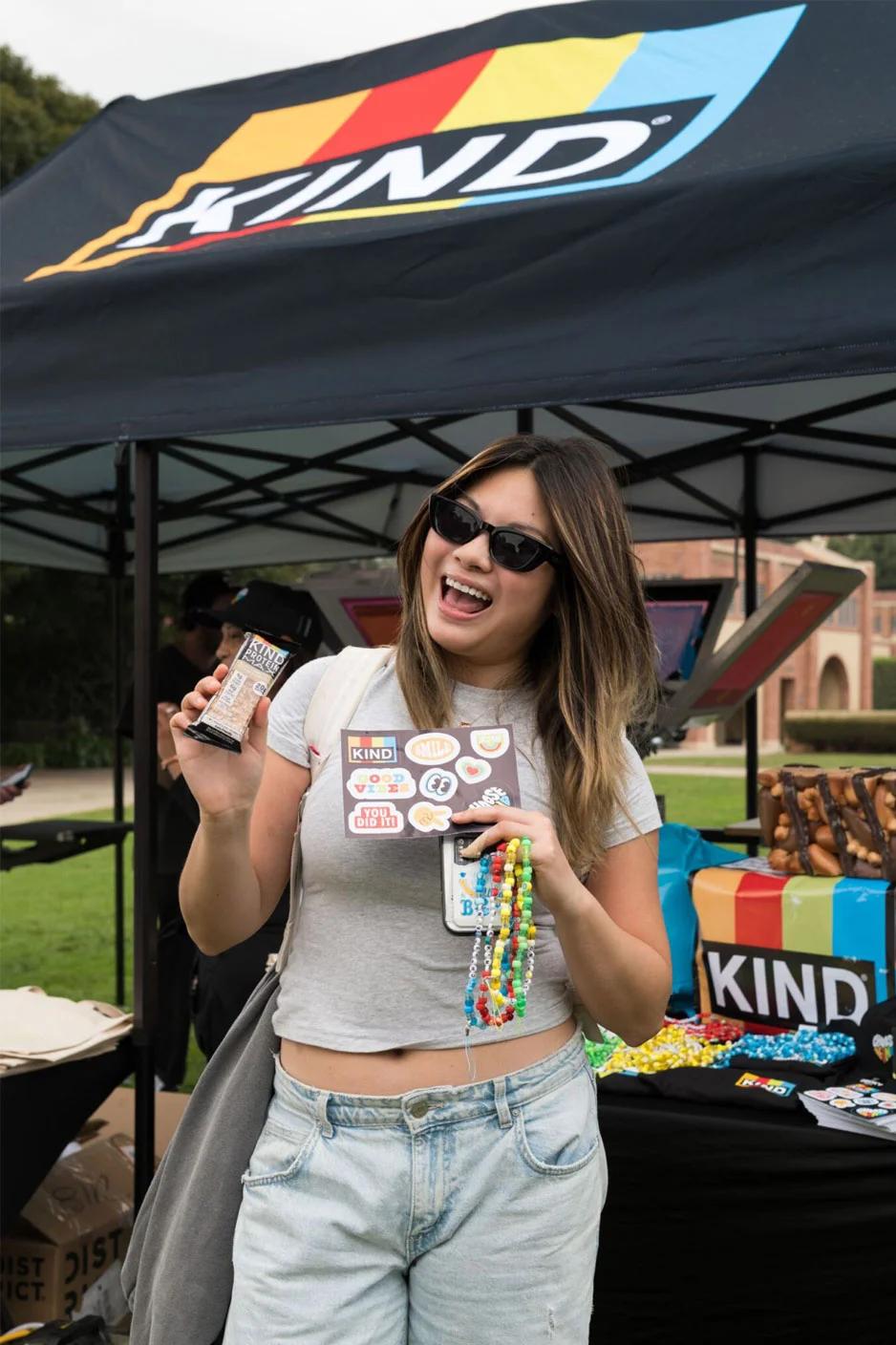
Newbridge's work with KIND illustrates this well. Rather than promoting the product directly, the CHOOSE KIND World Kindness Day campus tour centered on generosity and connection, distributing 51,000 KIND bars while letting student-led storytelling communicate the brand's message. The campaign generated 42,500 social impressions and a 6.4% engagement rate.
Platform-Native Content
TikTok content is not Instagram content. Instagram content is not YouTube content. Brands that repurpose the same creative across every platform immediately signal that they don't understand how young people use those channels. Each platform has its own style, pacing, creator norms, and audience expectations.
Effective youth marketing means creating content that feels native to each platform rather than repurposing content made for somewhere else.
Community-First Thinking
Brands that create a sense of belonging outperform those that simply promote products. Young people gravitate toward communities built around shared interests, aesthetics, and values. The most successful marketers create spaces, conversations, and traditions that people genuinely want to participate in, allowing the product to become part of the community rather than the sole reason for it.
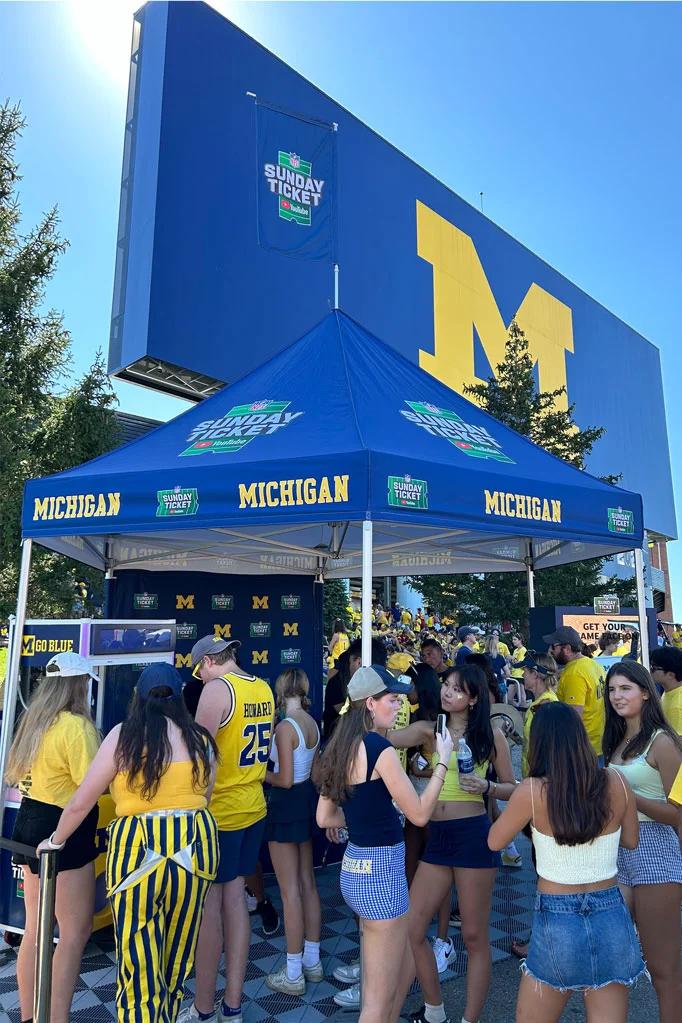
Newbridge's YouTube NFL Sunday Ticket activation demonstrates this approach. Rather than creating a standalone experience, the campaign embedded itself within the existing Michigan football fan community on game day, generating 332,000 event attendees and 266,000 impressions by becoming part of a tradition students already cared about.
Co-Creation With Young Voices
Involving young people in the creative process consistently produces better results than marketing to them from the outside. This can include ambassador programs, student advisory panels, user-generated content, or collaborative product development. When young people see themselves reflected in a brand because they helped shape it, the connection feels authentic rather than manufactured.
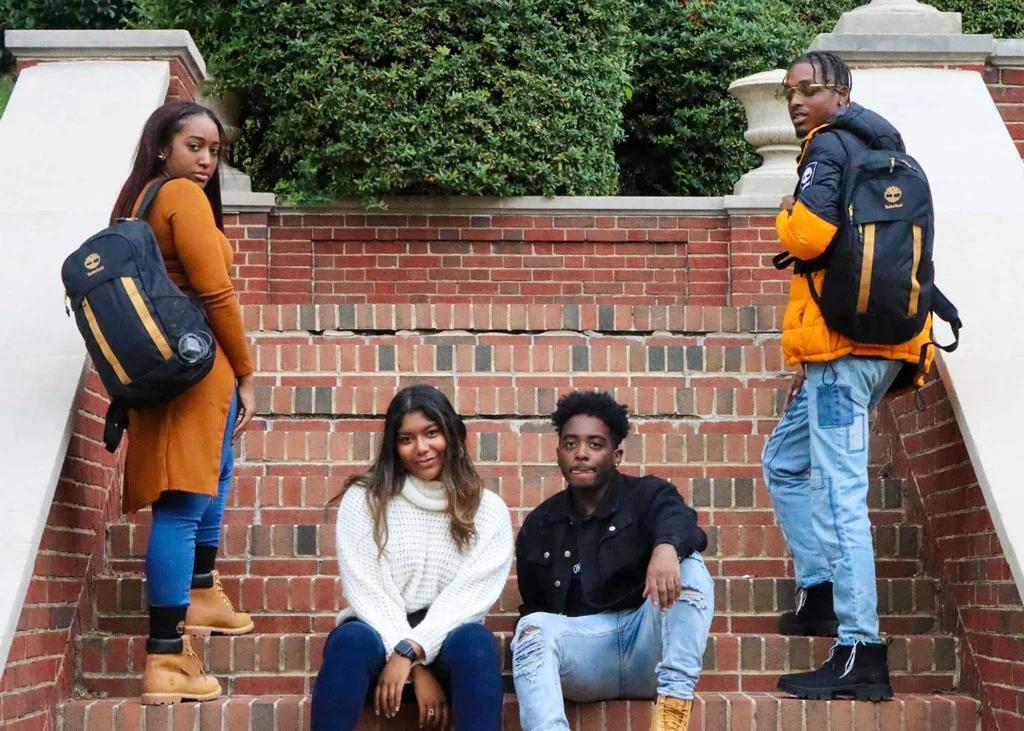
Newbridge's Timberland Student Ambassador Program is a strong example. Student ambassadors across 20 universities gathered peer feedback, shared authentic product reviews, and partnered with campus organizations, generating more than 400 posts using #TimberlandOnCampus and nearly 75,000 engagements.
Speed and Trend Responsiveness
Youth culture moves faster than traditional campaign cycles. A trend that's relevant in March may be forgotten by June. Brands operating on six-month creative timelines will almost always arrive too late. Effective youth marketing requires internal flexibility, pre-approved creative frameworks, and real-time social listening that allows brands to respond quickly when a cultural moment aligns with their positioning.
Values Alignment
For Gen Z, purchasing decisions are often an expression of identity. They support brands that reflect their values and expect those values to be backed by meaningful action rather than marketing messages alone. According to Mintel, nearly 60% of U.S. Gen Z adults prefer to associate with brands that align with their personal values, but that alignment must be genuine. Youth culture marketing isn't about adopting a cause for a campaign. It's about understanding what your brand truly stands for and communicating it consistently.
According to EMARKETER, mental health ranks as the top cause Gen Z wants brands to support, cited by 53% of respondents. Environmental responsibility and racial and gender equity follow at 47%. The report also found that 40% have stopped purchasing from brands that reversed diversity, equity, and inclusion (DEI) commitments, while 45% boycotted a brand altogether between October 2024 and April 2025.
Experiential Touchpoints
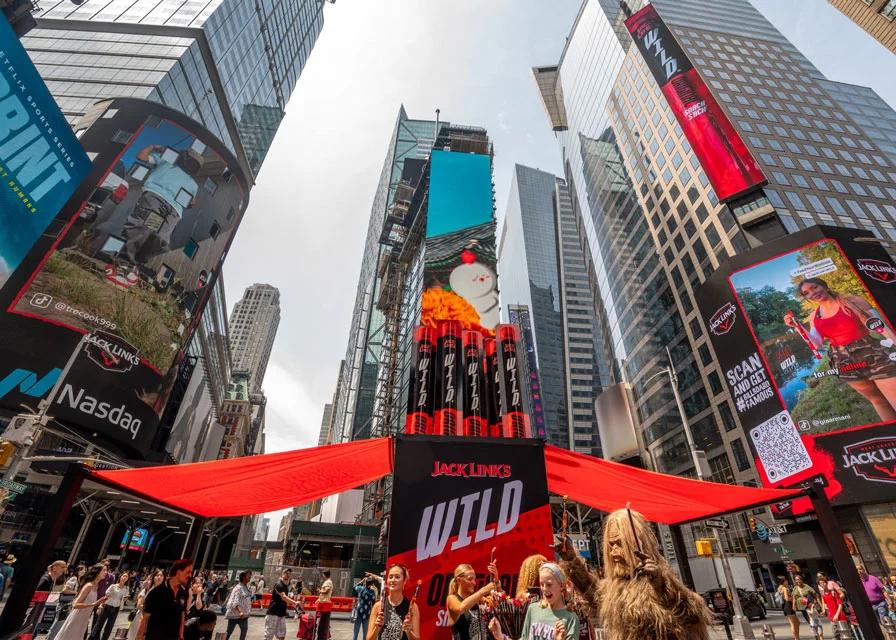
Live, in-person experiences continue to have an outsized impact on younger audiences. A well-executed pop-up, campus activation, or immersive brand experience creates memorable interactions and social content that digital advertising alone can't replicate.
Newbridge's Jack Link's WILD Times Square Takeover is a strong example. A single live activation distributed more than 25,000 samples, generated 215,000 on-site impressions and 22 million digital billboard impressions, and contributed to a 15% sales increase within two weeks.
Explore our full Experiential Marketing services to see how this approach can work for your brand.
Peer Influence Over Brand Voice
User-generated content and micro-influencers consistently outperform celebrity endorsements with younger audiences. Gen Z places greater trust in recommendations from creators they follow, peers they relate to, and people within their communities than in polished brand messaging. Marketing strategies that amplify authentic peer voices will consistently outperform those that rely solely on corporate messaging.
Consistency Across Touchpoints
Young consumers are naturally omnichannel, and they notice when a brand feels different across platforms. Consistency doesn't mean every channel should look identical. It means maintaining a recognizable identity, voice, and set of values wherever someone encounters your brand.
How to Position Your Brand to Appeal to Gen Z
Positioning a brand to resonate with Gen Z and Gen Alpha requires a structured process that begins with cultural awareness and ends with deliberate choices about where and how your brand fits into youth culture.
Step 1: Run a cultural audit: Before doing anything else, assess where your brand currently fits within youth culture, if it fits at all. What are young people saying about your brand when no brand account is listening? Social listening tools, campus surveys, and focus groups with real young consumers can uncover those insights far more effectively than internal assumptions.
Step 2: Identify cultural adjacencies: Every product category naturally connects to certain subcultures, interests, and communities. A food brand might align with outdoor culture, athletic communities, or college dining traditions. A tech brand may fit within gaming, creative communities, or sustainability initiatives. The key is to identify opportunities that are credible and rooted in a genuine connection between your product and the culture, rather than chasing whatever is trending.
Step 3: Define a values-led positioning: What does your brand stand for beyond the products it sells? Marketing to Gen Z and Gen Alpha means operating in an environment where brand values are public, scrutinized, and measured against real actions. Define what your brand genuinely stands for and be prepared to demonstrate it consistently.
Step 4: Find your cultural access points: Music, sports, campus life, gaming, sustainability, and social causes can all serve as effective entry points for youth marketing—but only when a brand has a credible reason to be there. Choose opportunities that align naturally with your brand's identity. A youth marketing agency with deep Gen Z expertise, like Newbridge, can help identify authentic access points and develop campaigns that resonate.
Step 5: Test before you scale: Youth culture is unforgiving when brands enter a space inauthentically. Pilot activations, brand ambassador programs, and limited-run campaigns allow you to learn how young audiences respond before investing in a larger strategy. Digital marketing alone isn't enough; in-person brand experiences often create the strongest connections, especially on college campuses, where peer influence spreads quickly, and cultural trends take shape.
Explore our college marketing solutions to see how Newbridge helps brands build authentic connections through a phased, culturally grounded approach.
How Newbridge Helps National Brands Earn Gen Z’s Trust

Youth culture marketing rewards brands that invest in cultural intelligence, authentic experiences, and long-term relationships with young consumers. That's where Newbridge comes in.
For more than 20 years, Newbridge has helped national brands connect with Gen Z through college marketing, experiential campaigns, student ambassador programs, mobile tours, product sampling, and pop-up experiences. Our roots in college marketing give us direct access to one of the most influential Gen Z audiences: active college and university students.
Because we handle strategy, creative, staffing, and execution under one roof, brands avoid the disconnect that often happens when campaigns are divided across multiple agencies. Every touchpoint is designed to feel cohesive, authentic, and culturally relevant—qualities that matter to a generation quick to recognize inconsistency.
With two decades of execution experience, we help brands launch ambitious campaigns with confidence. From campus activations to nationwide experiential tours, we know how to execute programs that connect with young audiences while staying on time, on budget, and true to your brand.
Brands choose Newbridge because we:
- Bring 20+ years of specialized experience in experiential and college marketing.
- Connect brands with more than 15 million college students across 2,000+ U.S. campuses.
- Have been recognized by industry peers, including the 2025 Chief Marketer Top Agencies list and the 2025 Event Marketer IT List.
- Operate as an independent agency, giving clients direct access to senior strategists and hands-on execution.
- Provide fully integrated strategy, creative, staffing, and execution under one roof.
- A proven track record of program execution. Explore our case studies to see the results.
- Build experienced teams you can trust. Meet our experiential marketing team.
Ready to build a youth marketing strategy that actually resonates?

Related Content
How to Do a Pop-Up Shop Successfully for Your Brand
A practical guide to planning and executing pop-ups that drive engagement, brand awareness, and ROI.
Newbridge Named One of Chief Marketer’s Top Marketing Agencies for 2025
Celebrating standout work in experiential and college marketing and looking ahead to a big year of growth, creativity, and connection.
Top Back-to-School Marketing Ideas for College Brands
Top back-to-school marketing ideas for college brands in 2026. Learn how move-in week, campus activations, and student ambassadors drive real ROI.