Experiential Marketing on College Campuses: Engage & Convert
10/19/2026
By Lily McDowell
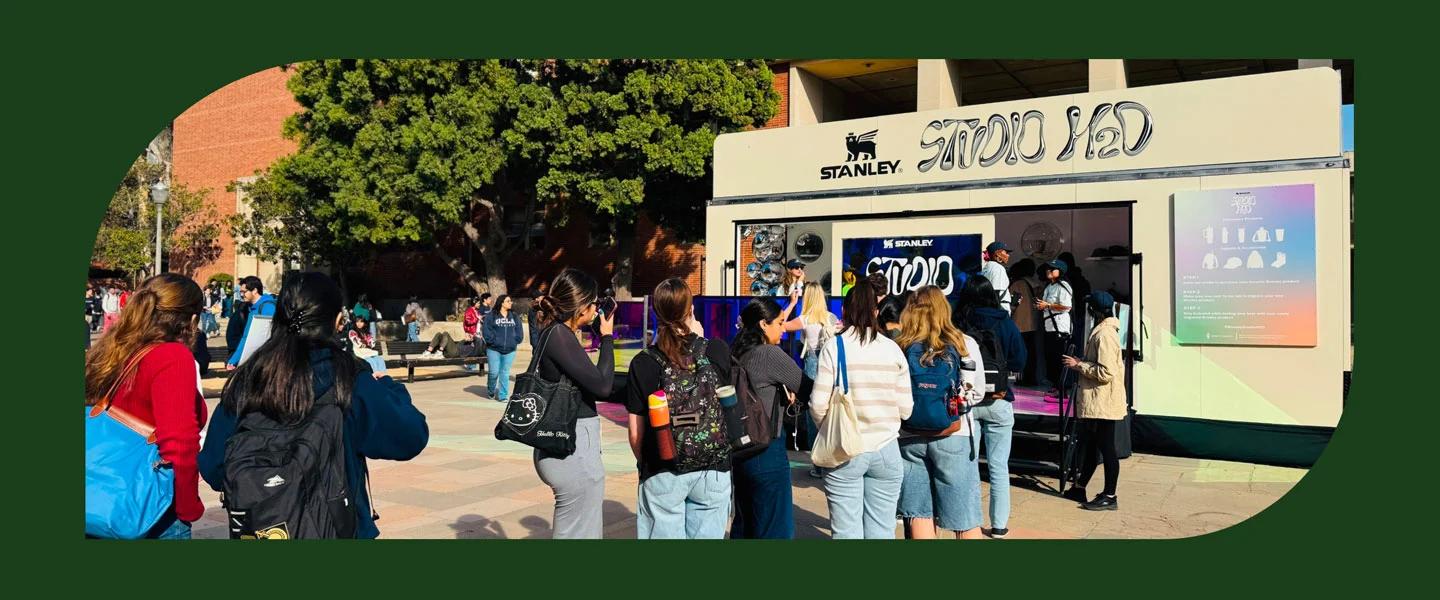
Experiential marketing on college campuses brings brands directly to students through product sampling, pop-up activations, mobile tours, and interactive events. These firsthand experiences give students the opportunity to engage with a brand, try products, and build connections beyond traditional advertising.
For brands looking to reach college audiences, live experiences offer opportunities to create meaningful engagement and influence purchasing decisions. According to EventTrack 2026, 61% of consumers say attending a live brand experience makes them more inclined to purchase.
Key Takeaways
- Experiential marketing gives college students opportunities to engage with brands firsthand, creating meaningful connections beyond traditional digital advertising.
- College campuses offer concentrated, recurring audiences, with academic calendars and high-traffic locations creating opportunities for strategic activation planning.
- Successful campus activations are tailored to student audiences and built around participation. Product sampling, mobile tours, pop-ups, interactive experiences, and student ambassador programs can work independently or together to extend engagement.
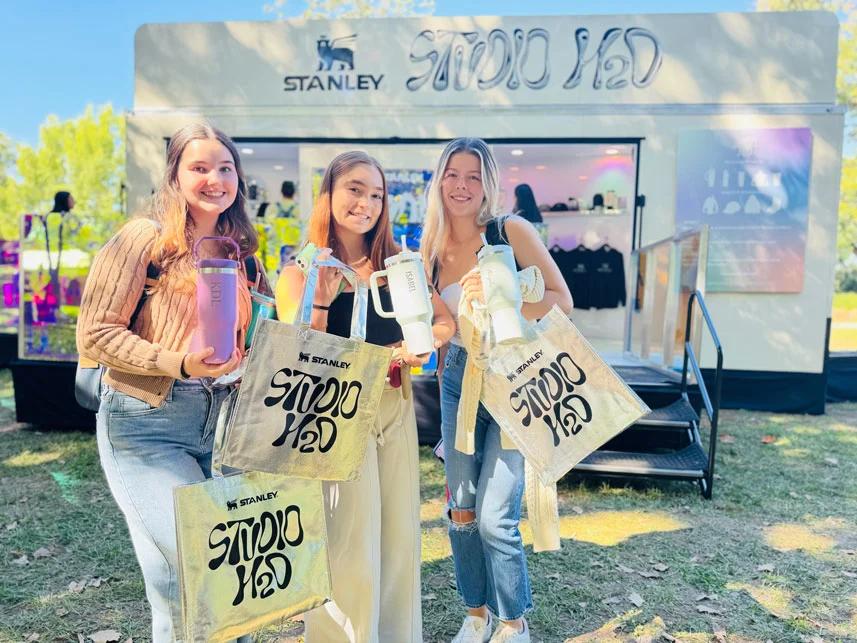
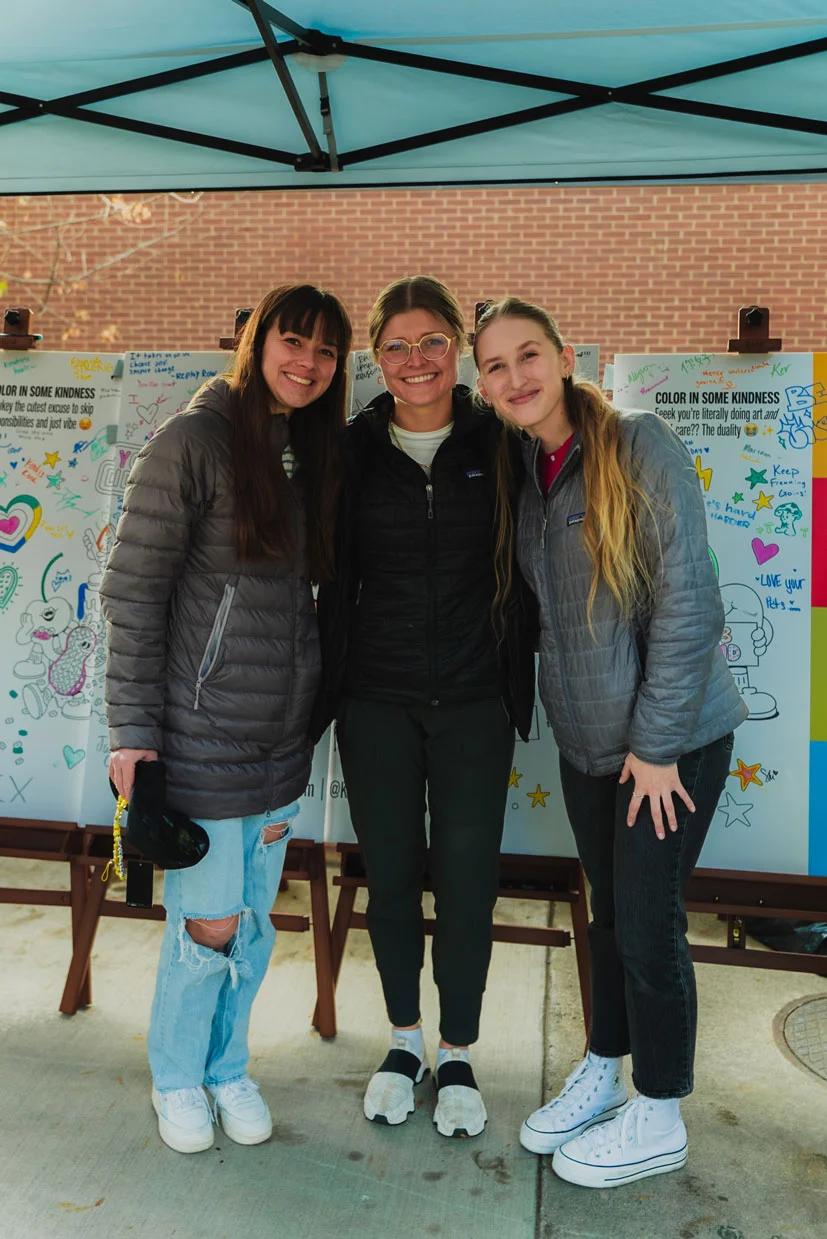
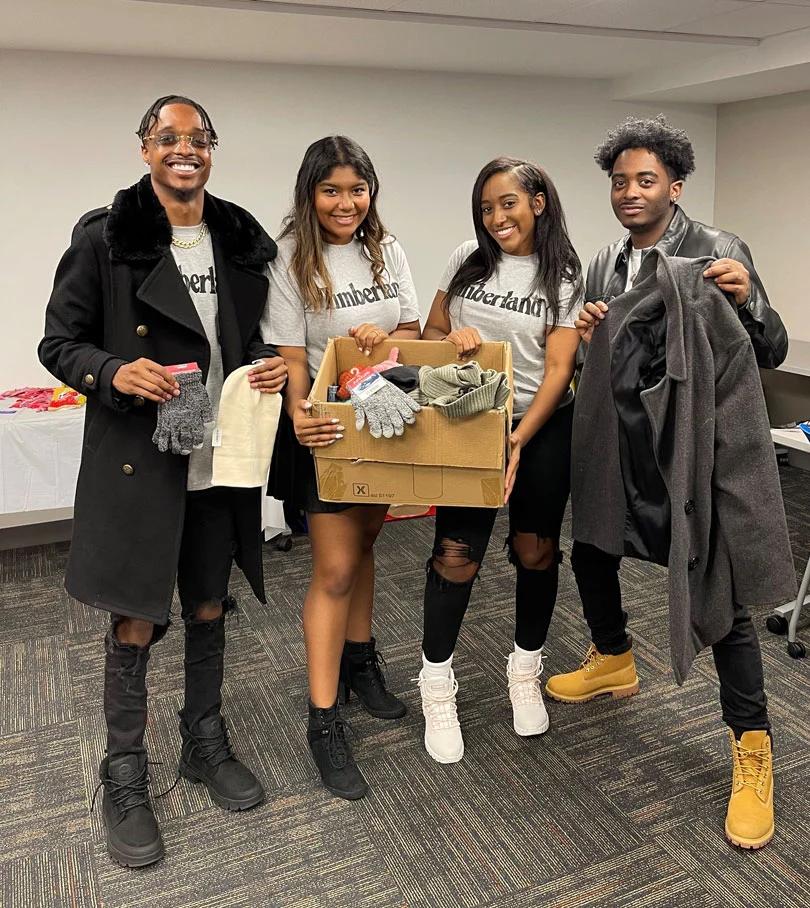
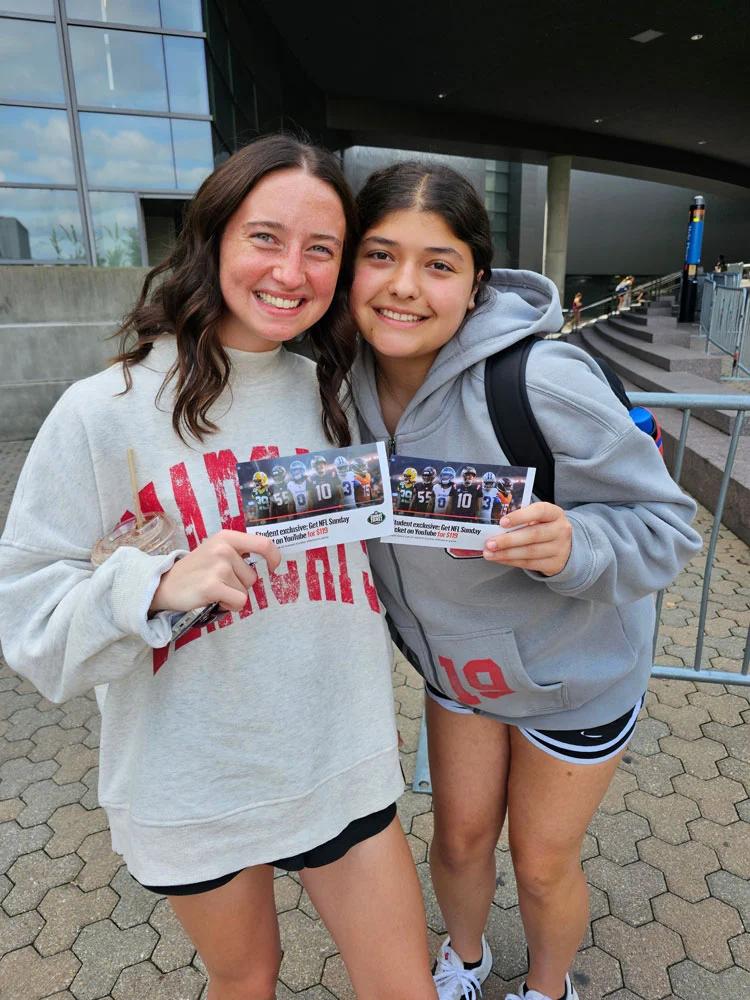
- Newbridge has executed campus programs at scale, including a Stanley mobile tour with 3.6M total program reach, a two-year Timberland ambassador program across 20 universities, a three-campus KIND tour, and a 40-campus YouTube NFL Sunday Ticket activation.
- Campaign performance can be measured through product trial, consumer engagement, digital conversions, social content, and other metrics aligned with program objectives.
- The right college marketing partner brings campus-specific expertise, integrated execution, clear measurement strategies, and the ability to scale programs across multiple universities.
Why College Campuses Are a High-Leverage Environment
Three key factors make college campuses particularly valuable for experiential marketing:
- Density. College campuses bring large concentrations of students together in shared spaces, giving brands opportunities to reach their target audiences in high-traffic locations.
- Predictability. The academic calendar creates recurring opportunities, including orientation, sorority events, homecoming, spring festivals, and graduation, that brands can plan activations around well in advance.
- Research behavior. Younger consumers often turn to social media when researching brands and products. According to GWI Core data cited by eMarketer, 51% of Gen Z consumers worldwide use social media to research brands before purchasing, compared with 45% who use search engines. EventTrack 2026 also found that 59% of attendees capture content during live brand experiences. Together, these behaviors highlight opportunities for campus activations to encourage both firsthand engagement and social sharing.
Experiential Marketing on College Campuses: What Works & Fails
What Works:
- Tailoring the activation to the specific campus. A large public university with a strong football culture may call for a different approach than a small private liberal arts college. Understanding each campus's audience and culture helps brands create more relevant experiences.
- Anchoring to an existing high-traffic moment. Activating around a tailgate, homecoming, or move-in weekend allows brands to connect with students during moments when campus activity and engagement are already high.
- Giving students a reason to participate, not just watch. Sampling, giveaways, and interactive elements encourage students to stop, engage, and experience the brand firsthand rather than simply passing by a display.
What Fails:
- Activations without a clear call to action or meaningful opportunity for student engagement.
- Programs that overlook campus culture, local logistics, or university-specific requirements.
- One-off events without a plan to measure engagement, track conversions, or encourage continued interaction.
Common Campus Activation Formats
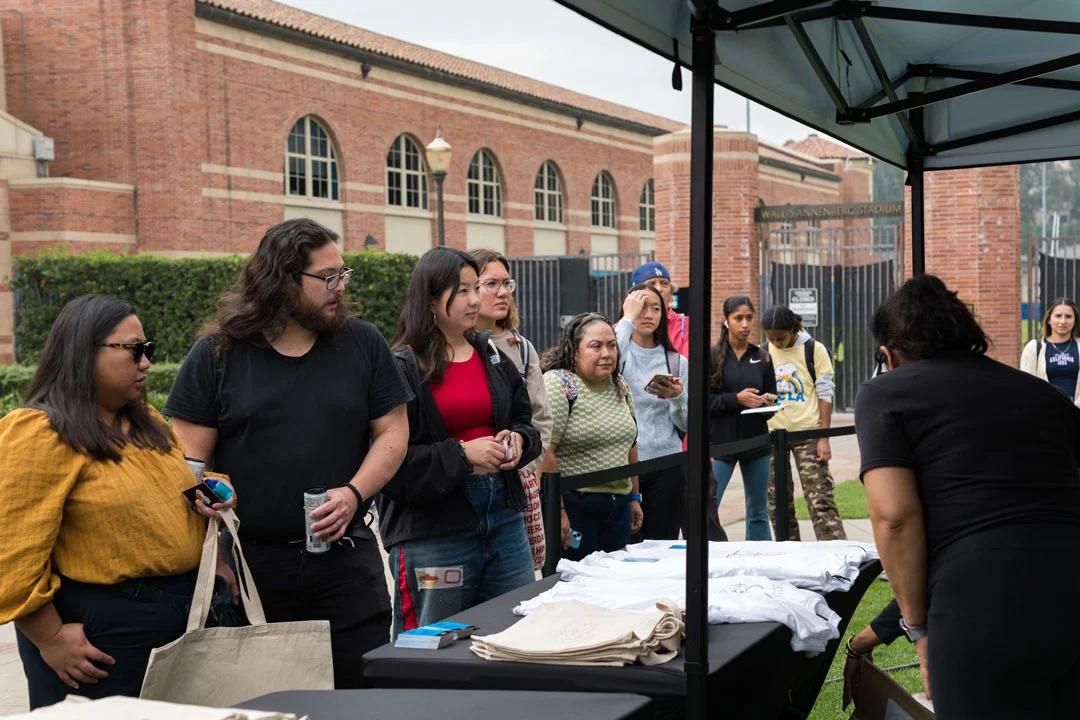
- Sampling Programs: Distributing products directly to students in high-traffic campus locations, from dining halls to tailgates.
- Mobile Tours: Branded vehicles or trailers traveling across multiple campuses, bringing a consistent brand experience to different student communities.
- Pop-Up Activations: Temporary branded spaces designed around campus events, product launches, or short-term activations.
- Interactive and Social-First Installations: Photo opportunities, games, and challenges that encourage participation and create opportunities for user-generated content beyond the event.
- Ambassador-Supported Activations: Trained student ambassadors supporting sampling, registrations, and interactive experiences across individual campuses or multi-campus programs.
Combining multiple formats can help brands create more engaging experiences and extend their reach beyond a single activation.
Newbridge’s College Campaigns
| Stanley — Studio H2O College Mobile Tour | Timberland — Student Ambassador Program | KIND — World Kindness Day | YouTube NFL Sunday Ticket — Street Team & Campus Media |
|---|---|---|---|
| A 13-week mobile pop-up tour across 14 college campuses, bringing Stanley's brand to life through interactive experiences and live product personalization. | A 10-week, peer-driven campaign across 20 universities as part of a two-year partnership. Student ambassadors promoted exclusive discount codes, gathered feedback, and created authentic product reviews. | A three-campus pop-up tour at UCLA, Ohio State, and the University of Utah built around KIND's CHOOSE KIND movement, combining product sampling with student-led social content. | An integrated college marketing campaign featuring street team activations across 40 campuses, scratch-off ticket distribution, bookstore placements, student email marketing, and an intramural sports app takeover promoting the NFL Sunday Ticket student offer. |
| • 3.6M total program reach | • 1.4M social media impressions | • 51K KIND bars sampled | • 87K in-person engagements |
| • 23K total attendance | • 282K social media engagements | • 80K footprint impressions | • 18MM emails delivered |
| • 5K products custom-engraved | • 42.5K social impressions | • 280K unique clicks across the broader campaign | |
| • 6.4% social engagement rate | |||
How to Measure ROI on a Campus Program
- Samples distributed and redeemed: Track product trial and coupon redemptions to understand participation and potential purchase activity.
- Engagement volume: Measure interactions, sign-ups, and attendance to evaluate how students engage with the activation.
- Digital conversions: Track QR code scans, landing page visits, registrations, and purchases attributed to the campaign.
- Earned content: Monitor user-generated photos, brand tags, shares, and social engagement that extend reach beyond the event itself.
What to Look for in a College Marketing Partner
Not every marketing agency has experience navigating the unique college environment. Before choosing a partner for a campus marketing program, consider the following:
- Campus-Specific Experience: A proven track record of navigating university policies, academic calendars, and student culture, beyond general event experience.
- Integrated Capabilities: Strategy, creative, staffing, and on-site execution managed by a coordinated team to support consistency throughout the program.
- A Clear Measurement Plan: Defined campaign goals and performance metrics established during planning, rather than after the activation begins.
- Multi-Campus Scalability: The ability to execute consistent brand experiences across multiple universities while adapting to each campus's audience and environment.
Connect with Newbridge Today
Newbridge has executed college marketing campaigns for more than 20 years. As an experienced college marketing agency, we connect brands with more than 15 million U.S. college and university students across 2,000+ campuses through experiential activations, digital media, student ambassador programs, and peer-to-peer marketing.
Ready to bring your brand to campus? Connect with Newbridge to discuss a college marketing program built around your audience and goals.
Related Content
How to Do a Pop-Up Shop Successfully for Your Brand
A practical guide to planning and executing pop-ups that drive engagement, brand awareness, and ROI.
Newbridge Named One of Chief Marketer’s Top Marketing Agencies for 2025
Celebrating standout work in experiential and college marketing and looking ahead to a big year of growth, creativity, and connection.
Top Back-to-School Marketing Ideas for College Brands
Top back-to-school marketing ideas for college brands in 2026. Learn how move-in week, campus activations, and student ambassadors drive real ROI.

